
Last updated November 24, 2026
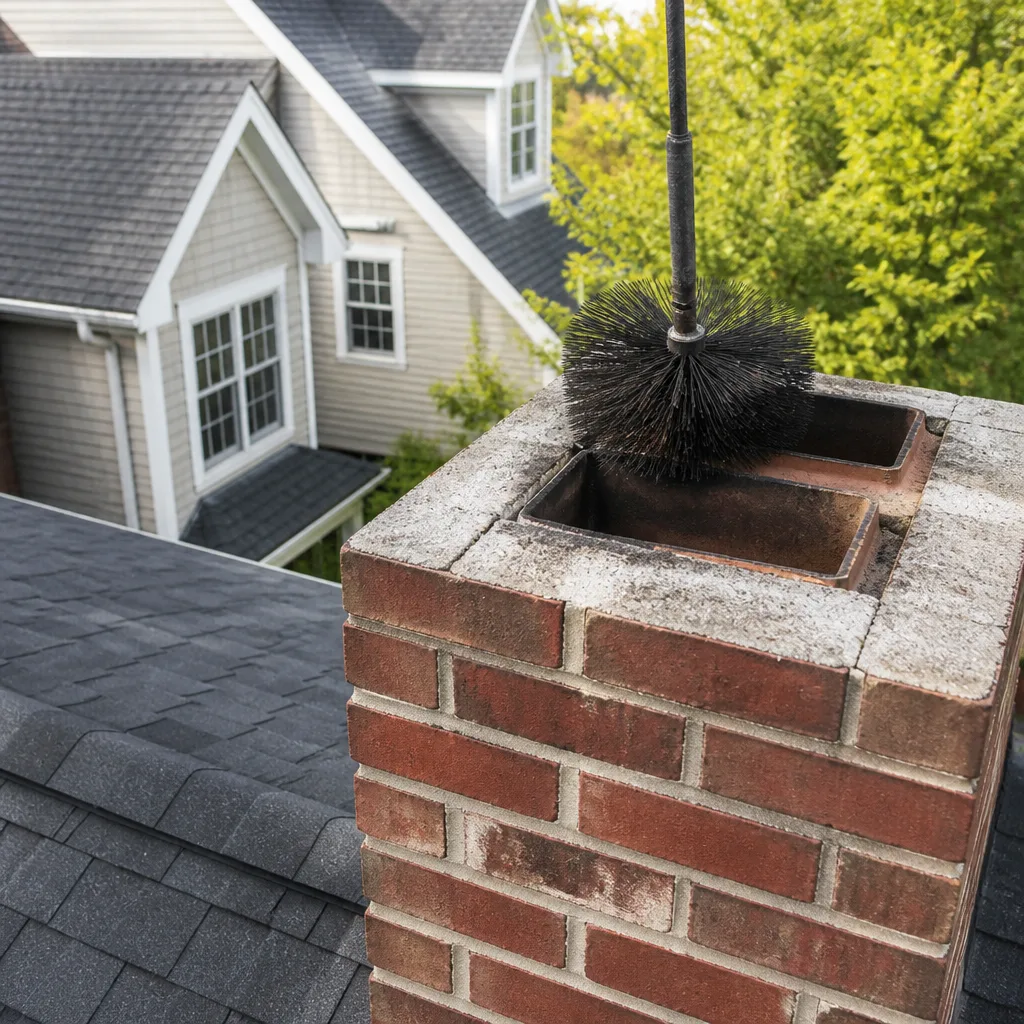 Sweep & inspection
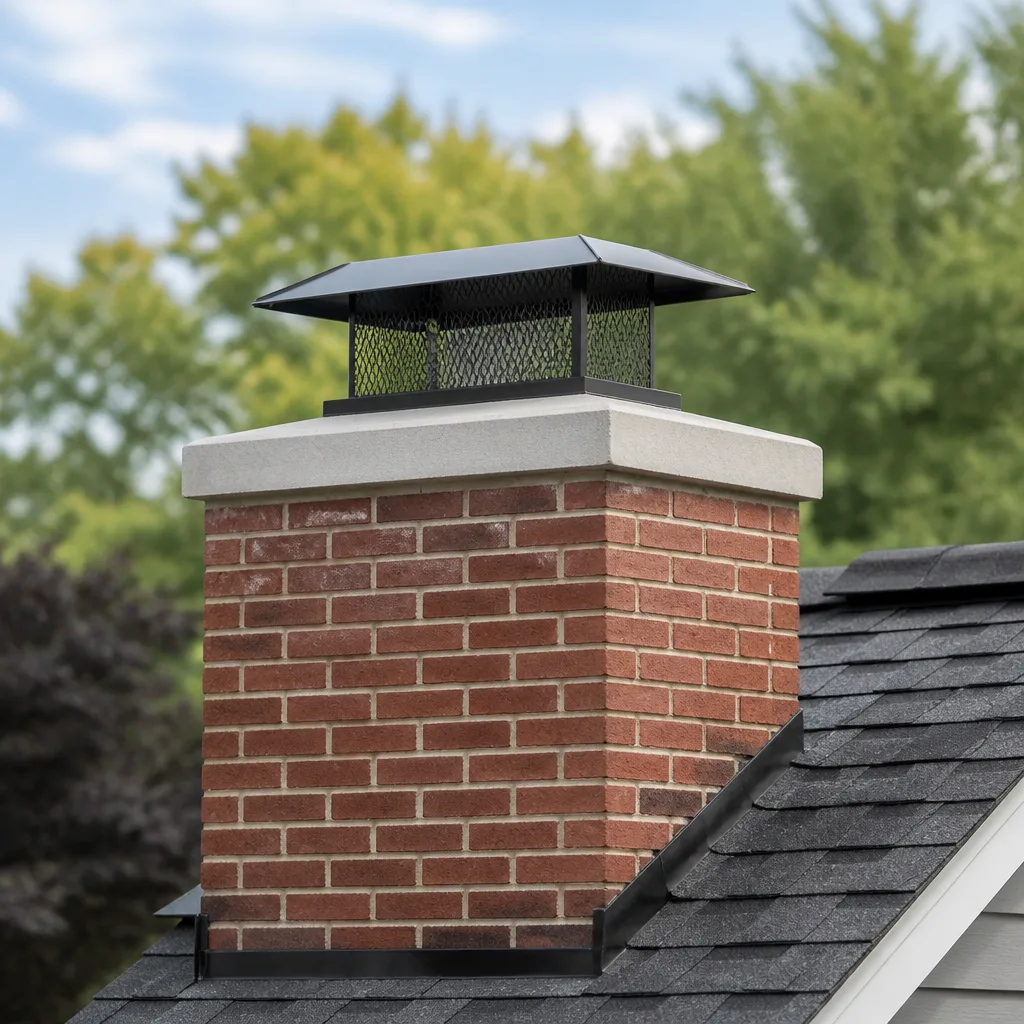 Caps & crowns
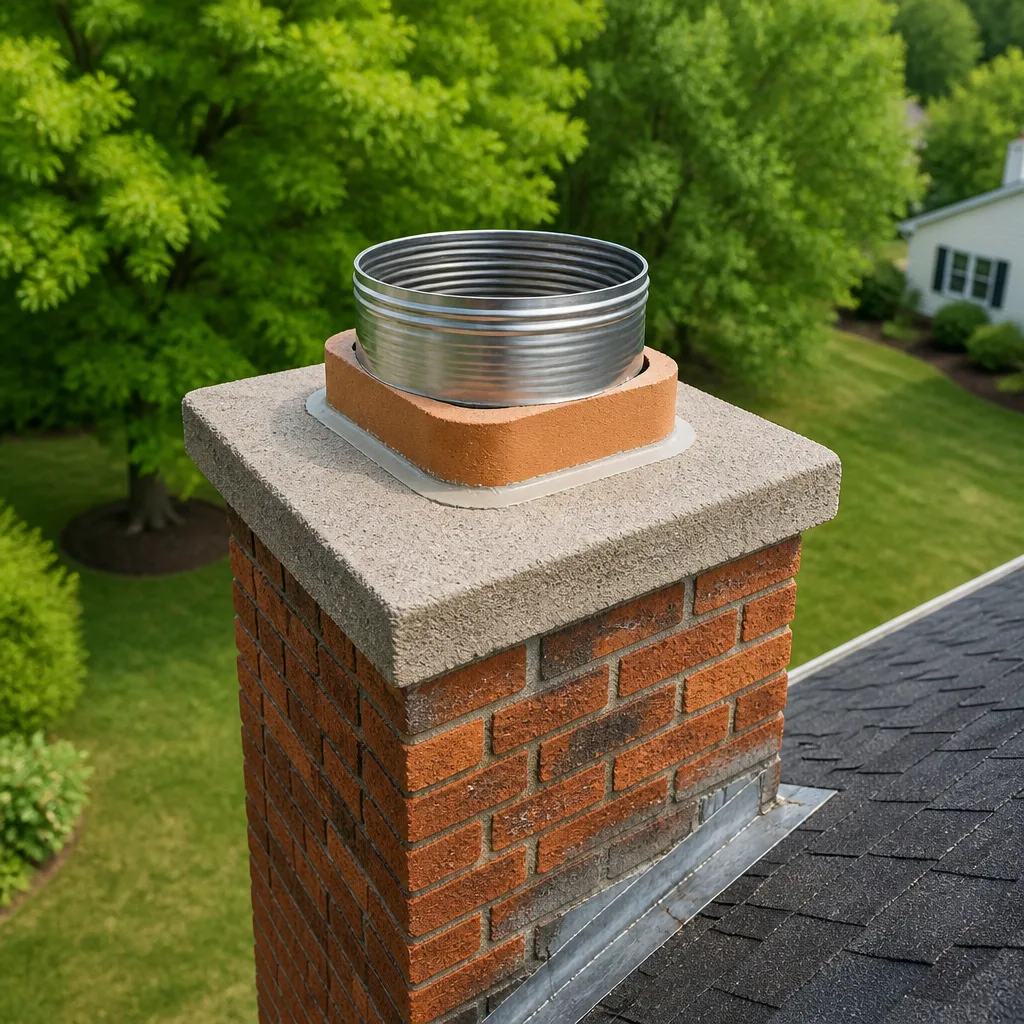 Flue relining
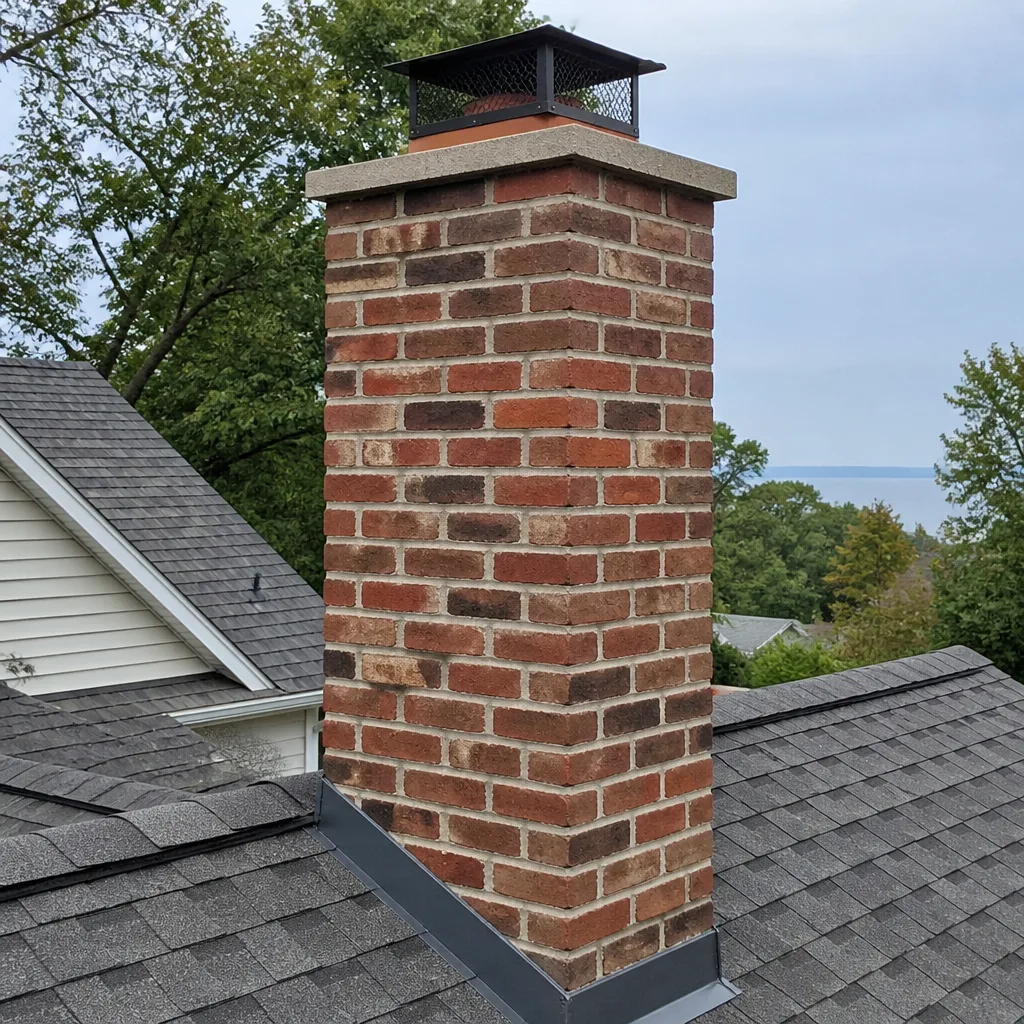 Masonry repair
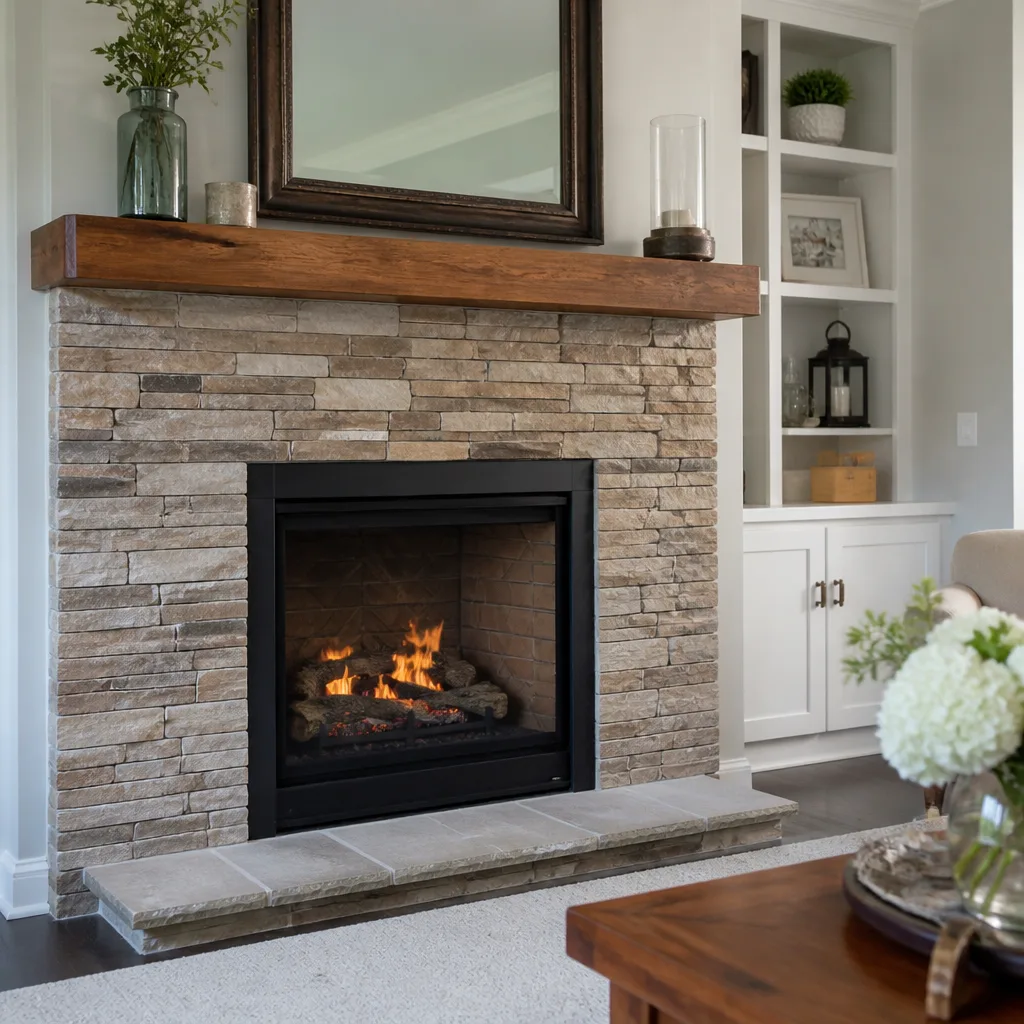 Gas fireplace service
Level 1 sweep and inspection to the NFPA 211 annual standard - flue, crown, cap, and flashing checked and photographed
Chimney sweep logs do not sweep chimneys. They loosen some creosote - which then falls where a brush and vacuum still have to collect it.
DIY vs Professional Chimney Cleaning: The Holladay Homeowner’s Decision Guide
You can physically remove creosote from a flue with a brush kit and a ladder. What you can’t do from the top of the roof is assess whether the liner behind that creosote has a crack wide enough to let combustion gases into your living room. That gap between cleaning and diagnosing is where most DIY chimney projects go wrong. This guide breaks down exactly what DIY sweeping can accomplish, where it creates a false sense of safety, and how a Holladay homeowner should decide which route to take. You’ll get a decision framework based on your fireplace type, usage, and the last time a professional looked at the system.
Styles & brands we work with
- Sweep & inspection
- Caps & crowns
- Flue relining
- Masonry repair
- Gas fireplace service
Quick Answer
DIY chimney cleaning can work for a low-use wood stove with light Stage 1 creosote and a liner that a professional inspected recently. For most Holladay homes, the real risk isn’t the sweeping itself but the diagnostic work a homeowner can’t do without a camera and training. A professional sweep costs more, but it includes an inspection that tells you whether the chimney is actually safe to burn.
Table of Contents
- What DIY Sweeping Can and Cannot Do
- When DIY Is Genuinely Reasonable
- When DIY Creates False Safety
- The Tools a Professional Uses That You Can’t Replicate
- Insurance and Liability When You DIY in Holladay
- A Four-Question Decision Framework
- How Holladay Conditions Affect the Decision
- Common Mistakes to Avoid
- When to Call a Professional
- Frequently Asked Questions
- The Bottom Line
What DIY Sweeping Can and Cannot Do
DIY chimney cleaning removes creosote. That’s it. Everything else a professional does during a sweep is diagnostic work, and that’s the part that determines whether your chimney is safe.
What a homeowner can accomplish with a brush kit, drop cloths, and a shop vacuum:
- Surface creosote removal from the flue walls in a straight, unobstructed chimney
- Ash and soot cleanup from the firebox and smoke shelf
- Visual check of the cap and crown from the roof or ground with binoculars
- Basic damper operation testing by hand
What a homeowner cannot accomplish:
- Liner integrity assessment – hairline cracks and separated joints aren’t visible without a camera
- Creosote staging – telling Stage 1 (flaky) from Stage 2 (glazed and tar-like) requires knowing what to look for
- Flue sizing verification – whether the flue is properly matched to the appliance
- Smoke chamber evaluation – the area behind the damper where creosote hides and can’t be reached with a brush
- Combustion analysis – whether the appliance is venting properly
A professional chimney sweep is a diagnostic appointment with cleaning attached. That’s the distinction. If you clean your own chimney and don’t know what a healthy liner looks like versus a compromised one, you’ve removed fuel from the firebox without confirming the exhaust path is intact. In our experience across Holladay, that’s the gap that turns a routine sweep into a repair.
When DIY Is Genuinely Reasonable
There’s a narrow set of conditions where DIY sweeping makes sense. If you can honestly check every box below, a brush-and-vacuum job between professional inspections is not reckless.
- You burn dry, seasoned wood in a wood stove or insert rather than an open fireplace. Enclosed appliances burn more efficiently and produce less creosote per cord.
- You burn fewer than two cords a season and never burn green wood, trash, or cardboard.
- The flue is straight and vertical with no offsets, no 30-degree elbows, and no cap obstruction beyond a simple screen.
- A professional inspected the liner within the last 12 months and confirmed it was sound.
- You can see the full interior with a flashlight from the firebox and the flue has no visible glazing or tar.
- You understand what creosote staging looks like and can tell when the flue needs more than a brush.
If those boxes apply, a homeowner in Holladay can reasonably pull a brush through a stovepipe between professional inspections. If any box is unchecked, the risk-to-benefit shifts toward professional work. A rough guide to how the decision changes by appliance type:
| Appliance / Condition | DIY Sweeping Verdict |
|---|---|
| Wood stove, dry wood, straight flue, recent inspection | Reasonable between pro inspections |
| Wood insert with liner, moderate use | Caution – camera inspection needed first |
| Open masonry fireplace | Not recommended for DIY |
| Any flue with visible glaze or tar | Not DIY – Stage 3 creosote |
| Chimney with an offset or a bend | Not DIY – a brush won’t track |
| Never professionally inspected | Not DIY – inspection comes first |
The last row is the one that matters most in Holladay. Many homes change hands without the buyer knowing when the chimney was last looked at. Buying a brush before you buy an inspection is backwards.
When DIY Creates False Safety
The most dangerous outcome of DIY chimney cleaning isn’t a bad job. It’s a clean-looking flue hiding a structural problem. A homeowner brushes the walls, sees a clean flue, and lights a fire. The gases venting through a cracked clay tile or a separated flexible liner don’t care that the flue was swept.
The conditions where DIY sweeping is most likely to give you a false sense of safety:
- Aging clay tile liners. Clay tiles in many Holladay homes have seen decades of heating and cooling cycles. Hairline cracks and spalling joints appear long before anyone notices smoke problems.
- Any flue that has ever had a fire in it. Chimney fires, even small ones, can damage a liner without visible external symptoms.
- Chimneys with water damage history. Water finds the crown, runs down the flue, and pries open mortar joints from the inside.
- Chimneys that have sat unused for years. Rodent nests, birds, and leaf debris can plug a flue. A brush pushed through might clear the blockage or might push it deeper.
- Prefabricated metal fireplaces. These have their own flue systems with specific clearances that a homeowner can’t evaluate from the top of the roof.
Carbon monoxide and chimney fire risk are real, but here’s the part that’s worth being honest about: those risks are elevated in a chimney that has structural problems, and structural problems aren’t something a homeowner can screen for with a flashlight. That’s not a scare tactic. It’s the reason a professional inspection exists as a separate step from a sweep.
A chimney repair appointment is where most of these issues get resolved. Some cracks can be resurfaced with a HeatShield application without tearing out the liner. Others need relining with a flexible system like DuraFlex. The point is that until a camera has been inside the flue, you don’t know which category you’re in.
The Tools a Professional Uses That You Can’t Replicate
The difference between a homeowner’s brush kit and a professional setup is not one tool. It’s a system. Here’s what a professional rig looks like and why each piece matters.
- Rotary chimney sweeping systems. These use a spinning whip head driven by a drill or motor. They spin against the flue walls and knock off glazed Stage 2 and Stage 3 creosote that a push-pull brush can’t touch. This is the key difference from a homeowner setup – a brush removes what’s loose; a rotary system removes what’s bonded.
- Chimney inspection cameras. A camera on a flexible rod goes up the flue and shows liner joints, cracks, gaps, and debris on a screen. Without a camera, “inspecting the liner” means guessing.
- Smoke chamber mirrors and lighting. The area behind the damper is the most common creosote hiding spot in a masonry fireplace. It’s also the hardest to access. Professionally angled mirrors and high-lumen lights reveal it.
- Drop cloths and negative air machines. A professional sweep keeps the house clean. Negative pressure systems pull dust and soot out of the work area so a Holladay household doesn’t end up with a fine layer of soot on the drapes.
- Combustion and moisture meters. A moisture meter tells you whether the wood you’re burning is dry enough to run without excessive creosote. A combustion meter tells you whether the appliance is venting properly.
Each tool costs more than most homeowners want to spend on something they’ll use twice a year. That’s not the main argument against buying them; the argument is that the tools without training to read their output don’t accomplish much. A camera without knowing what a healthy liner joint looks like isn’t diagnostic. It’s just a picture.
Where we see the tooling gap matter most in Holladay is the smoke chamber and the liner joint inspection. Those are the two places where a homeowner’s sweep is most likely to leave a real problem intact. We handle that work with HeatShield and DuraFlex systems, which means when a camera finds something, the same company can address it rather than hand it off.
Insurance and Liability When You DIY in Holladay
Homeowners ask whether DIY chimney work affects their insurance. The honest answer: it can, but the mechanism isn’t what most people expect.
Most homeowner policies cover fire damage. They also ask, during a claim investigation, what maintenance was performed and by whom. A chimney fire in a flue that was never professionally inspected is more likely to see coverage scrutiny than one with a recent professional inspection on record. Documentation is the variable.
What this means practically for a Holladay homeowner:
- Keep every professional inspection report. A written inspection gives you a record of the chimney’s condition at a point in time.
- Keep any photos from professional visits. Camera inspection reports with photos are stronger than a hand-written note.
- Document your own cleaning if you DIY. A dated note of what was done, what the flue looked like, and how much creosote was removed isn’t a substitute for an inspection, but it beats nothing.
- Read your policy. Some policies have exclusions for deferred maintenance. The language matters.
- Never perform repairs yourself. Sweeping and diagnosing are different risk categories. Liners, crowns, and firebox repairs are structurally load-bearing parts of the system.
The other side of the liability question is what happens if a DIY sweep goes wrong and damages a liner or crown. That damage is on the homeowner, not on a contractor’s liability coverage. A professional outfit carries its own coverage for the work it performs. That’s a real reason to use one for anything beyond lighter cleaning, especially on homes in Holladay with older chimney construction.
A Four-Question Decision Framework
If you want a single structure to run your decision through, use these four questions. Answer each honestly. If any answer falls on the right-hand column, professional work is the safer call.
- What kind of fireplace does the home actually have? On the left: enclosed wood stove or insert with a modern liner. On the right: open masonry fireplace, older prefabricated unit, or anything with an unclear liner history.
- How many cords do you burn per season? On the left: one to two cords of seasoned wood. On the right: three or more, or any use of green or unseasoned wood.
- How old is the chimney, and what condition is the liner in? On the left: documented recent inspection with a sound liner. On the right: no professional inspection within the last 12 months, or any history of cracks, water damage, or chimney fire.
- When was the last professional inspection? On the left: within the last year. On the right: never, or you don’t know. That last answer is the most common one we hear from new homeowners in Holladay.
If you answered left on all four, DIY sweeping between professional inspections is defensible. If you answered right on any of them, book an inspection before you sweep. It’s the same appointment either way, and if the liner is sound, the sweep is part of it.
The one thing to avoid is deciding to DIY based on price alone. A brush kit, a ladder, and a shop vacuum are cheap. The reason professional work costs more isn’t the cleaning – it’s the diagnostic layer and the fact that the technician is on the roof with a camera and training. We’d rather a Holladay homeowner call us for an honest inspection than sweep a flue they can’t assess and burn it anyway.
How Holladay Conditions Affect the Decision
Holladay’s climate is one input in this decision, and it’s worth naming because it shapes what’s actually happening inside a chimney here. Cold winters, wide swings between daytime and overnight temperatures, and the tendency for mountain-fed weather to move in quickly all mean chimneys here run through repeated heating and cooling cycles from fall through spring. That cycling is what opens mortar joints and widens hairline cracks in clay liners over time.
The other local factor is demand. Holladay households that burn through the winter tend to burn more heat than a mild-climate homeowner would, which means more creosote accumulation per season. That raises the value of an annual inspection and makes a skipped year more consequential.
What this means in practice:
- Annual professional inspection is more defensible in Holladay than in a mild climate, given the heating/cooling cycling and heavier burn season.
- Sweeping frequency should follow actual use, not just the calendar. A Holladay home that burns three cords needs more attention than one that lights a fire a dozen times a year.
- Late summer and early fall are the natural time to book. Getting ahead of the burning season gives you time to schedule repairs if the inspection turns something up.
- Cap and crown issues are worth flagging during the same visit. Water intrusion from a failed crown is the leading cause of liner damage in this climate, and a camera inspection will catch it before it becomes a reline.
If you’re in the middle of a decision and want a second read, the difference between DIY and professional work in Holladay really comes down to how confident you are in the condition of the liner. The rest of the house is not what’s burning.
Common Mistakes to Avoid
- Cleaning a flue that has never been inspected. A clean flue with a cracked liner is still a hazard. Get the inspection first, then decide whether to sweep. This is the single most common mistake we see in Holladay calls.
- Buying a wire brush for a stainless liner. Wire brushes can scratch and damage stainless steel and some clay tile surfaces. Use a poly brush that matches the liner material, and if you don’t know what material you have, don’t sweep it.
- Sweeping without sealing the firebox opening. Soot travels. A drop cloth taped over the firebox and a shop vacuum running continuously prevent a fine dust coating on everything in the room.
- Assuming “clean” means “safe.” Creosote looks the same on a healthy flue and a compromised one. The flue’s condition and the flue’s cleanliness are related but not the same question.
- Ignoring the crown and cap. A cracked crown lets water into the flue. A missing cap lets birds, squirrels, and weather in. Neither problem shows up in a flue sweep, and both are more common in Holladay chimneys than you’d expect.
- Cleaning after the first fire of the season. Sweep before, not after. The first cold snap is what pushes creosote through a flue at temperature; sweeping afterward means you’ve heated a dirty chimney.
- Using the wrong size brush. An oversized brush jams; an undersized one misses the walls. Measure the flue opening before buying anything. If the flue is offset, a homeowner brush won’t track the bend anyway.
When to Call a Professional
Call a professional when the answer to any of the following is yes: you don’t know when the chimney was last inspected; the fireplace is an open masonry unit; you’ve had a chimney fire; the flue shows glazed creosote or a tar-like texture; the chimney is on a home you just bought; the crown is cracked or the cap is missing; or you smell creosote in the house during a fire. Those are the scenarios where the diagnostic layer of professional work is doing real work.
Chimney Sweep Holladay covers the full system: sweeping, inspection, fireplace repair, structural chimney repair, and cap and crown installation. We work with professional-grade components from manufacturers like Copperfield, Olympia Chimney, and Gelco, and we use HeatShield and DuraFlex systems when the flue calls for resurfacing or relining. Free estimates in Holladay – call (855) 658-5257.
Frequently Asked Questions
Sometimes, yes – if your liner was inspected by a professional within the last year and your flue is straight and unobstructed. What you can’t skip is the inspection itself. Cleaning the creosote off a compromised liner makes the chimney look better without making it safer. If the last inspection is unknown or more than a year old, book one before you sweep.
Stage 1 creosote is flaky, soot-like, and comes off easily with a brush. Stage 2 is shiny and can be scraped off with effort. Stage 3 is glazed, tar-like, and requires rotary tools to remove – a homeowner brush won’t touch it. If you scrape a sample with a putty knife and it comes up hard and shiny, you’re not dealing with Stage 1, and that’s a call-a-professional situation. In Holladay, Stage 3 is most common in chimneys that burn green wood or were used heavily without a sweep.
It can affect how a claim is reviewed after a fire, mostly through documentation. Insurance investigators look at maintenance records. A recent professional inspection report is a stronger record than nothing. If you DIY, keep dated notes and photos of what you did. Some policies have exclusions for deferred maintenance, so read the language in yours. Call (855) 658-5257 for an inspection if you want a documented baseline for your Holladay home.
A sweep is the cleaning. An inspection is the diagnostic. A sweep removes creosote; an inspection looks at the liner, smoke chamber, crown, cap, and firebox with a camera and reports on condition. They’re often booked together, but they answer different questions. When you book a sweep in Holladay, ask whether an inspection is included – the answer tells you what you’re paying for.
Most chimney professionals recommend an annual inspection for any home with an active fireplace or wood stove, and a sweep whenever creosote buildup reaches the point where it needs removal – often once a year in homes that burn regularly. Holladay’s cold winters and heavier burn seasons push most actively used chimneys to the annual mark. If you burn less than a cord a year, the inspection is still the annual item; the sweep frequency can be lower.
Sometimes yes. A HeatShield resurfacing can restore a deteriorating flue interior without a full liner tear-out when the existing liner is still structurally sound and the damage is in the interior surface. When the liner has separated joints or structural failure, a flexible reline with a DuraFlex system is often the more durable answer. Which route fits your Holladay chimney depends on what the camera sees. Call (855) 658-5257 for a free estimate – nothing gets recommended without a camera report you can look at yourself.
The Bottom Line
DIY chimney sweeping is a legitimate option for a narrow set of conditions: a low-use wood stove, dry seasoned wood, a straight flue, and a professional inspection within the last year. Outside that set, the diagnostic gap – liner condition, creosote staging, smoke chamber, crown – is what turns a cheap sweep into an expensive problem later. For most Holladay homes, the sweep is the easy half. The inspection is the half that determines whether the chimney is safe to use. If you’re unsure which category you’re in, book the inspection and let the camera answer the question.
Call (855) 658-5257 for a free estimate. We answer 24/7. Fast dispatch from 7am to 7pm, Sunday through Friday.
Written by the team at Chimney Sweep Holladay.
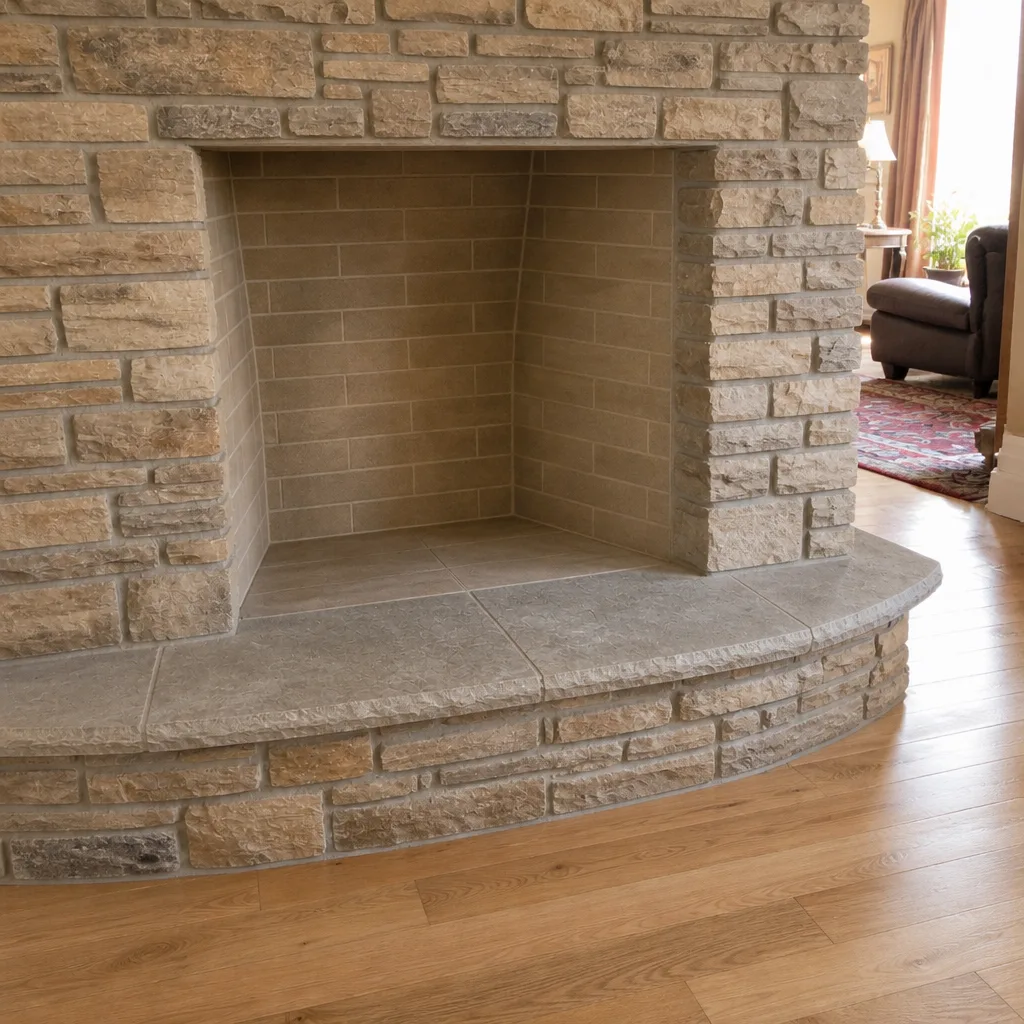
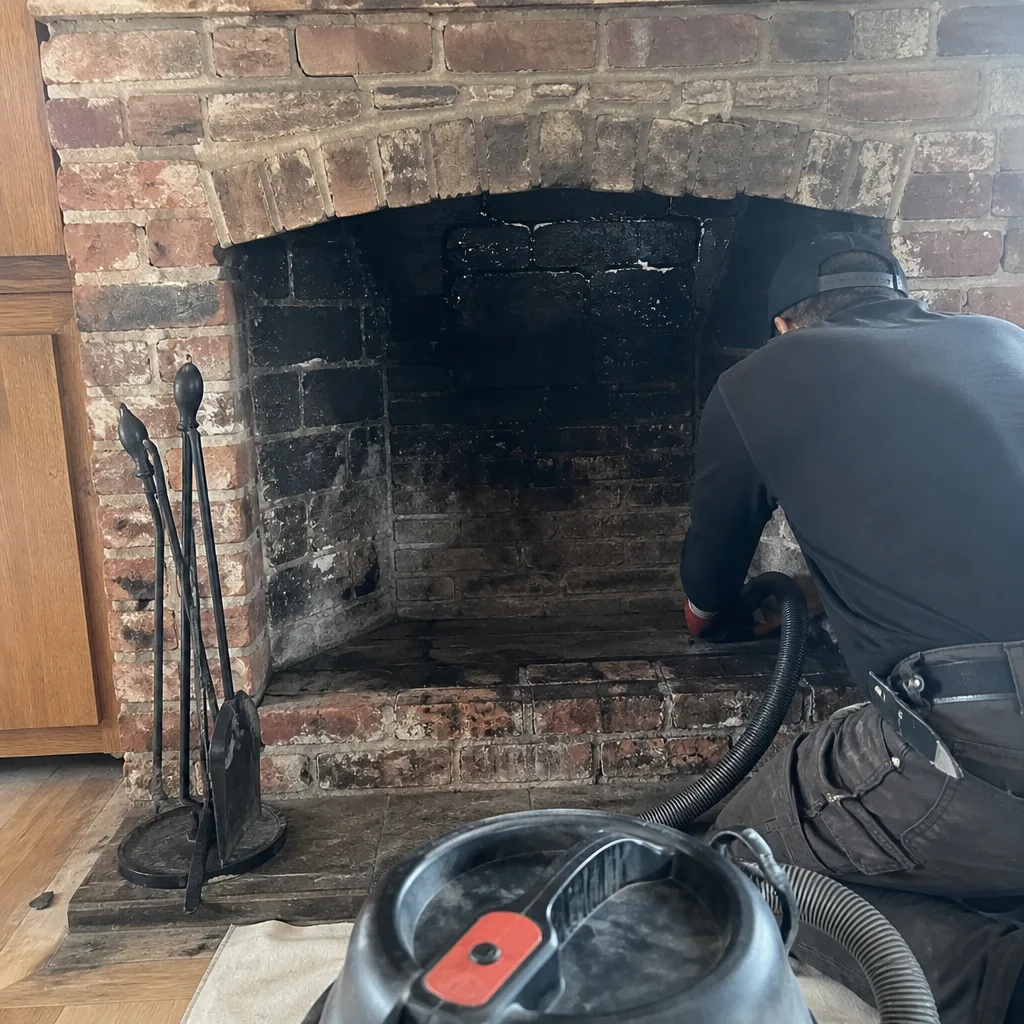
See the difference
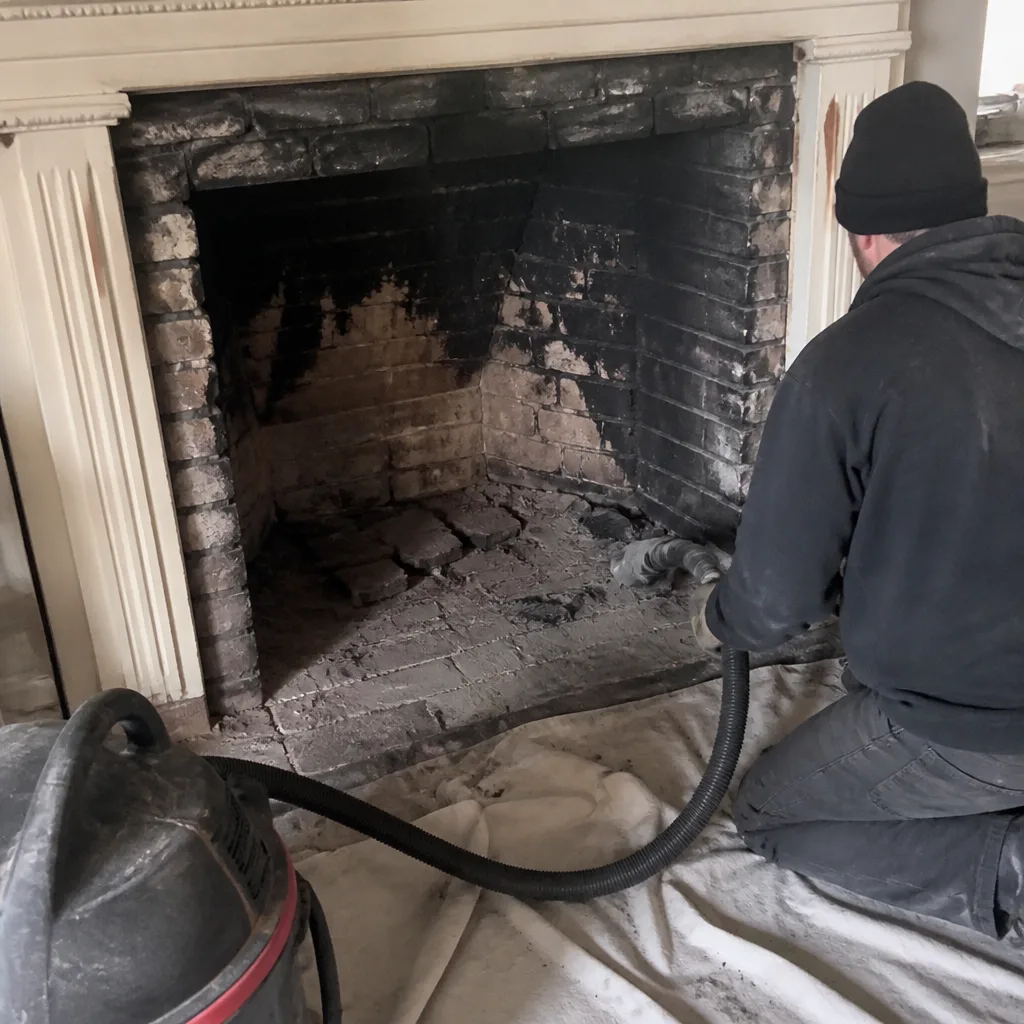 Before
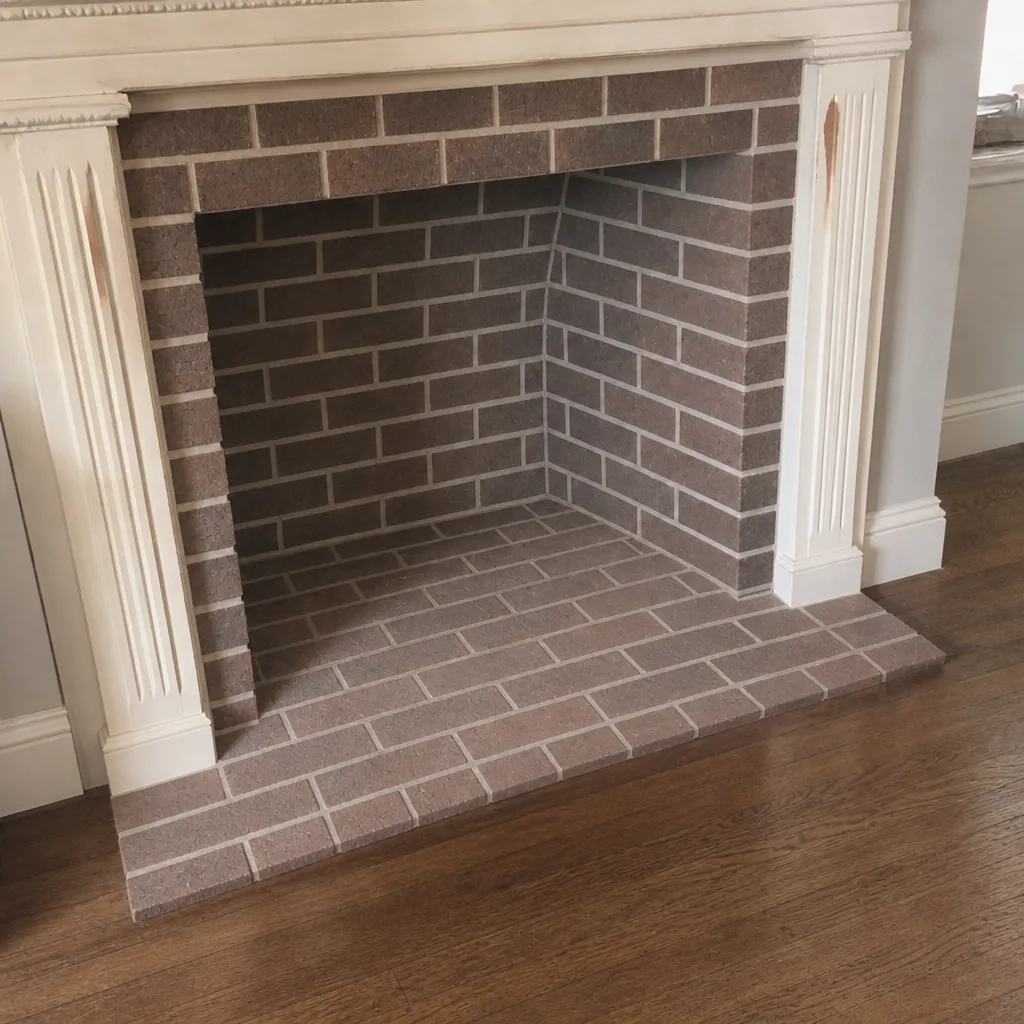 After
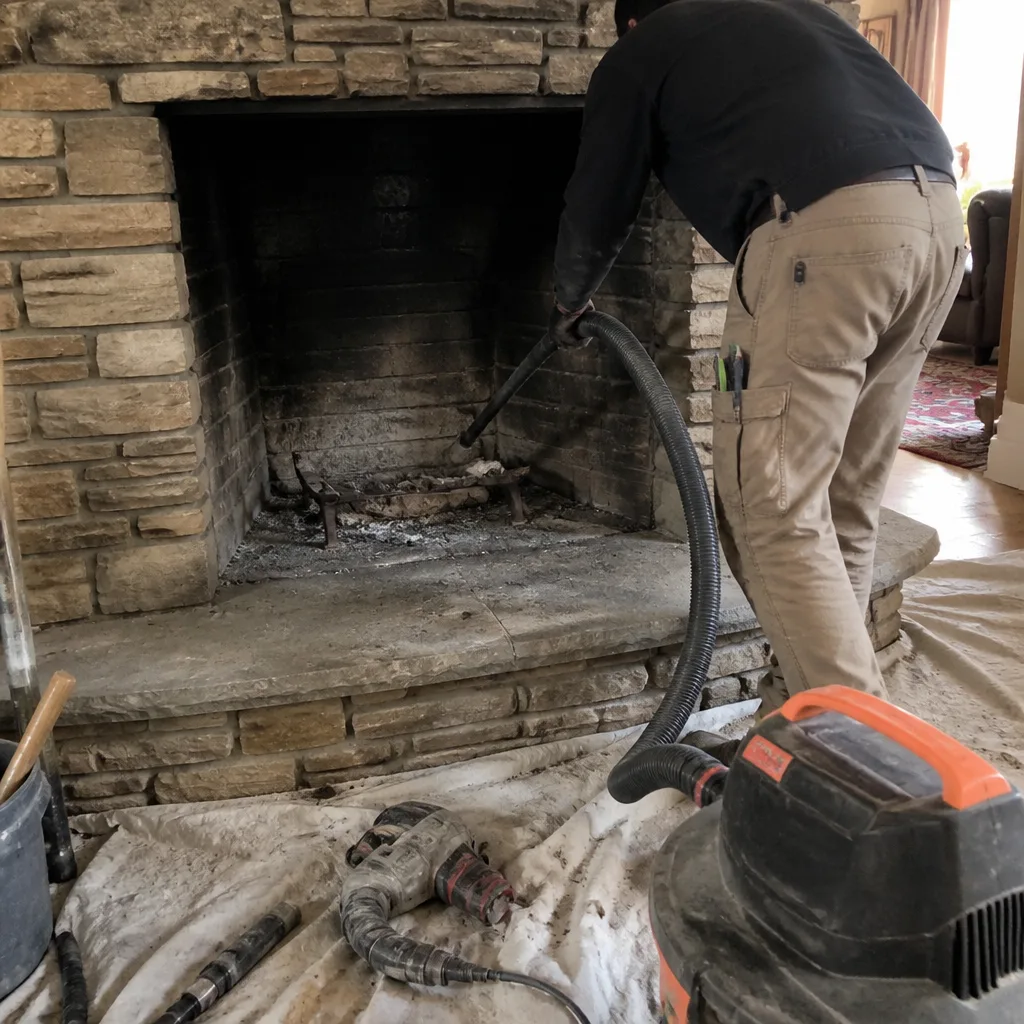 Before
 After
 Before
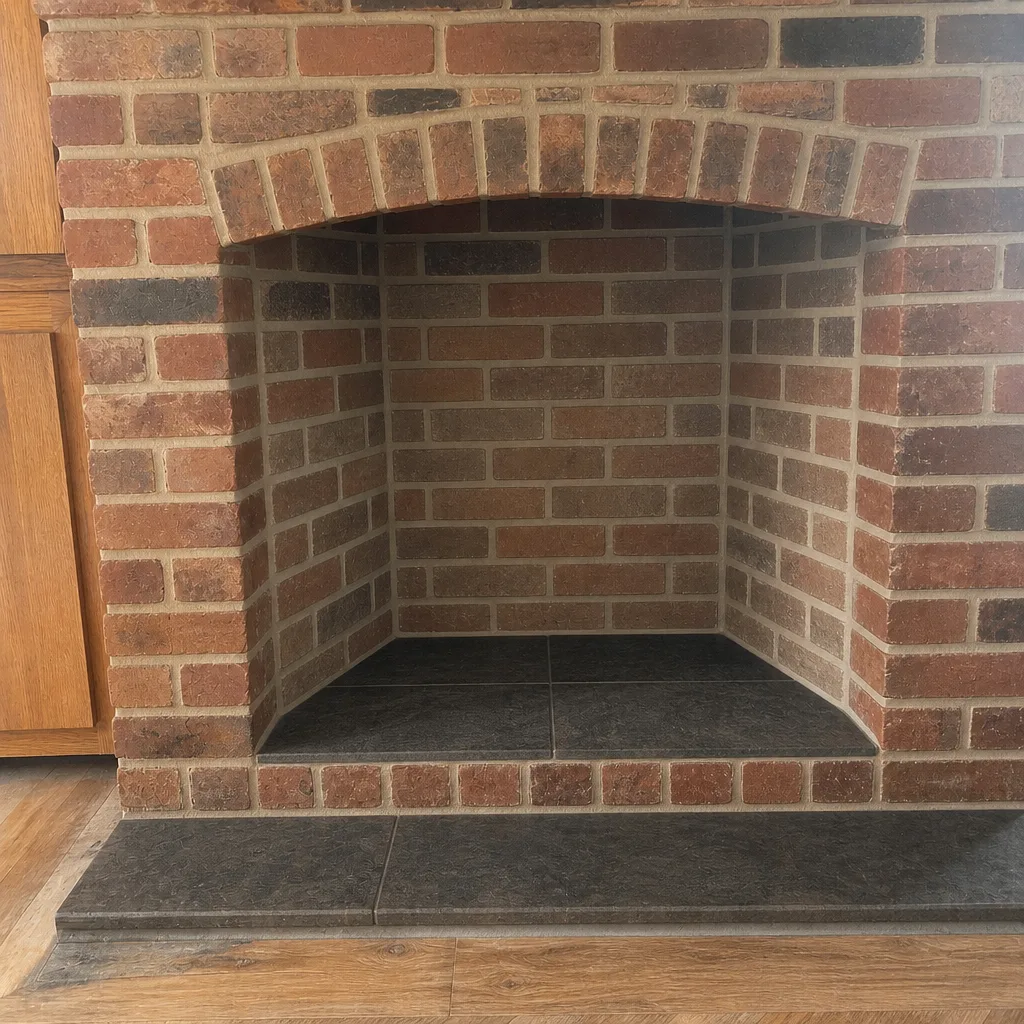 After