
Last updated November 24, 2026
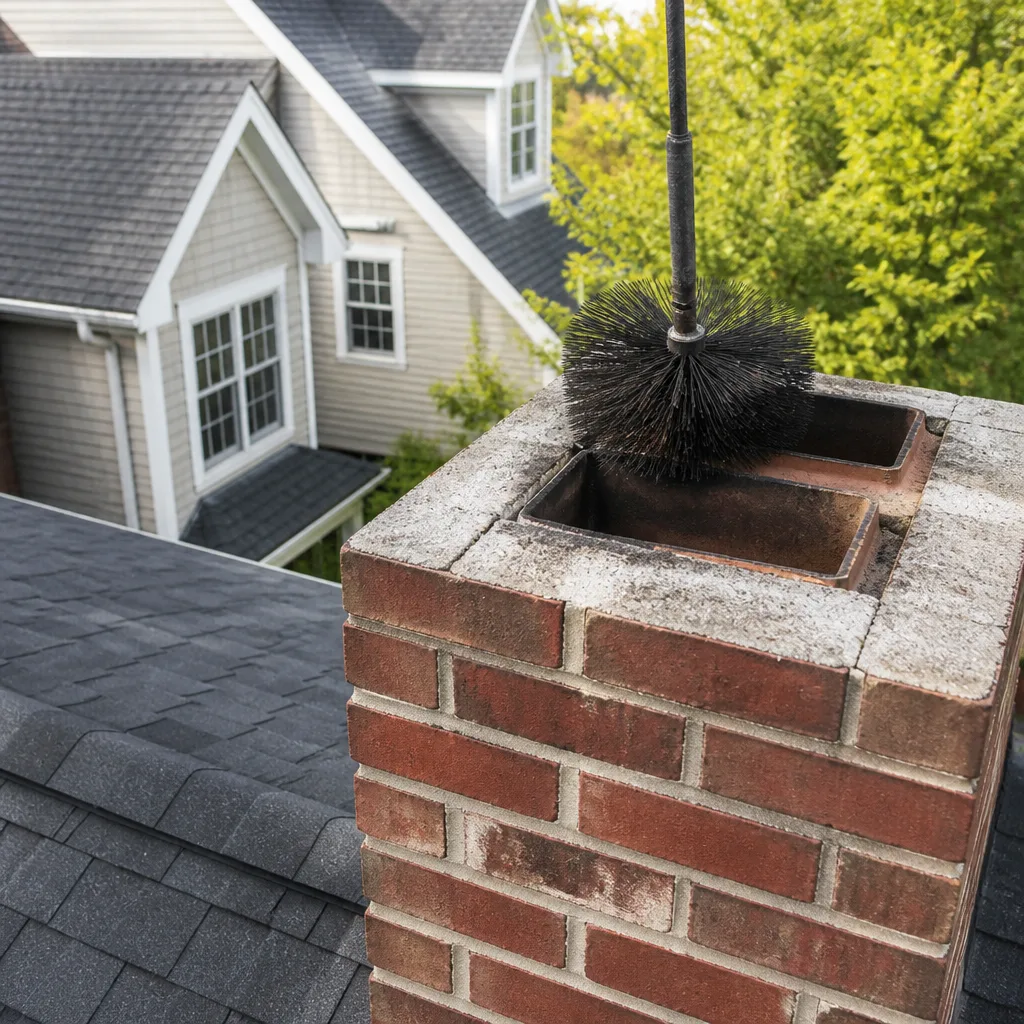 Sweep & inspection
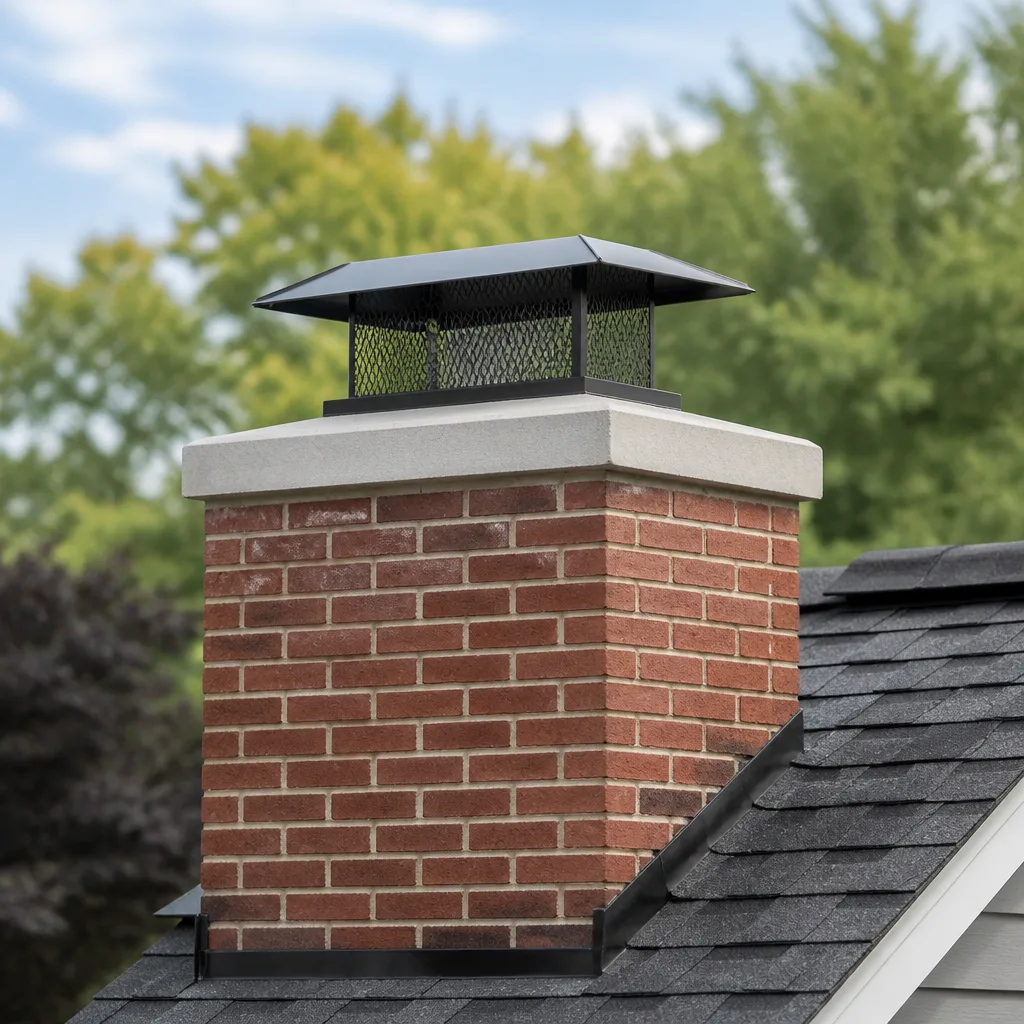 Caps & crowns
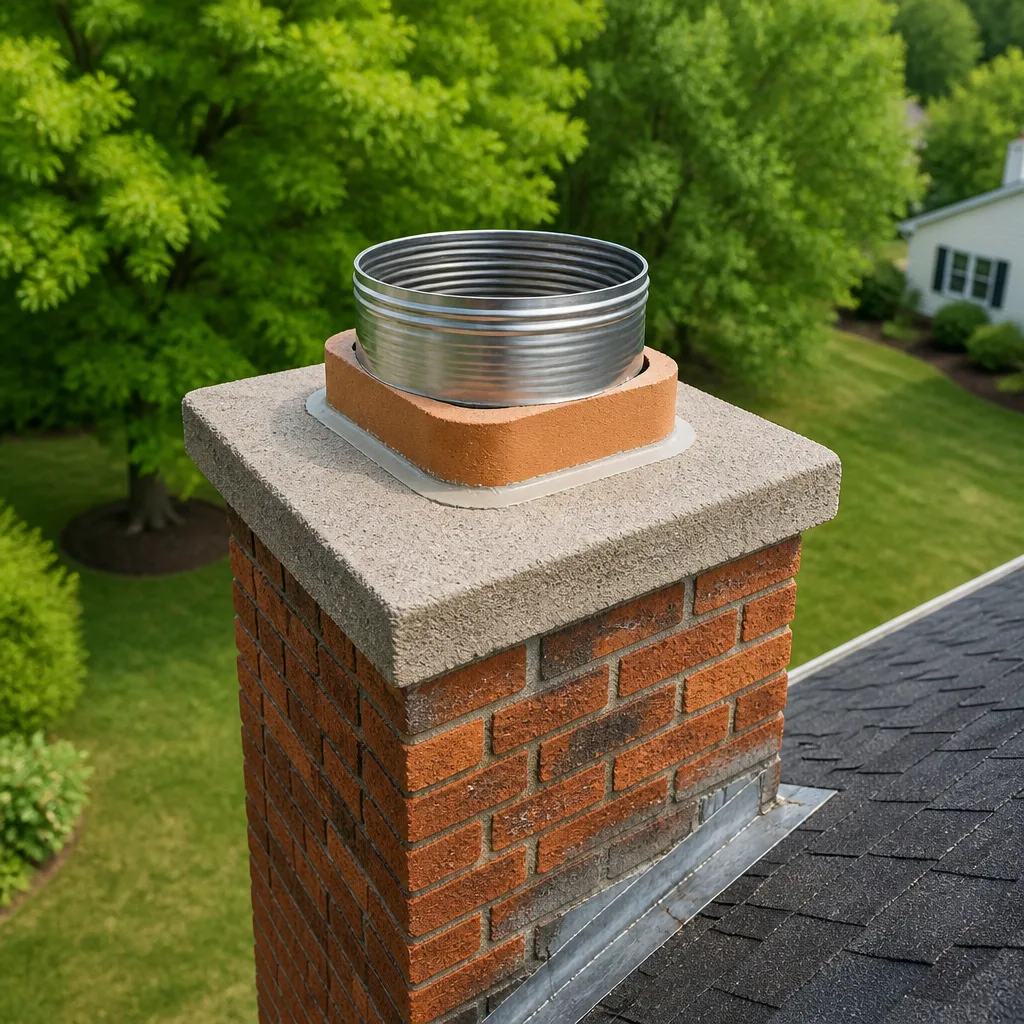 Flue relining
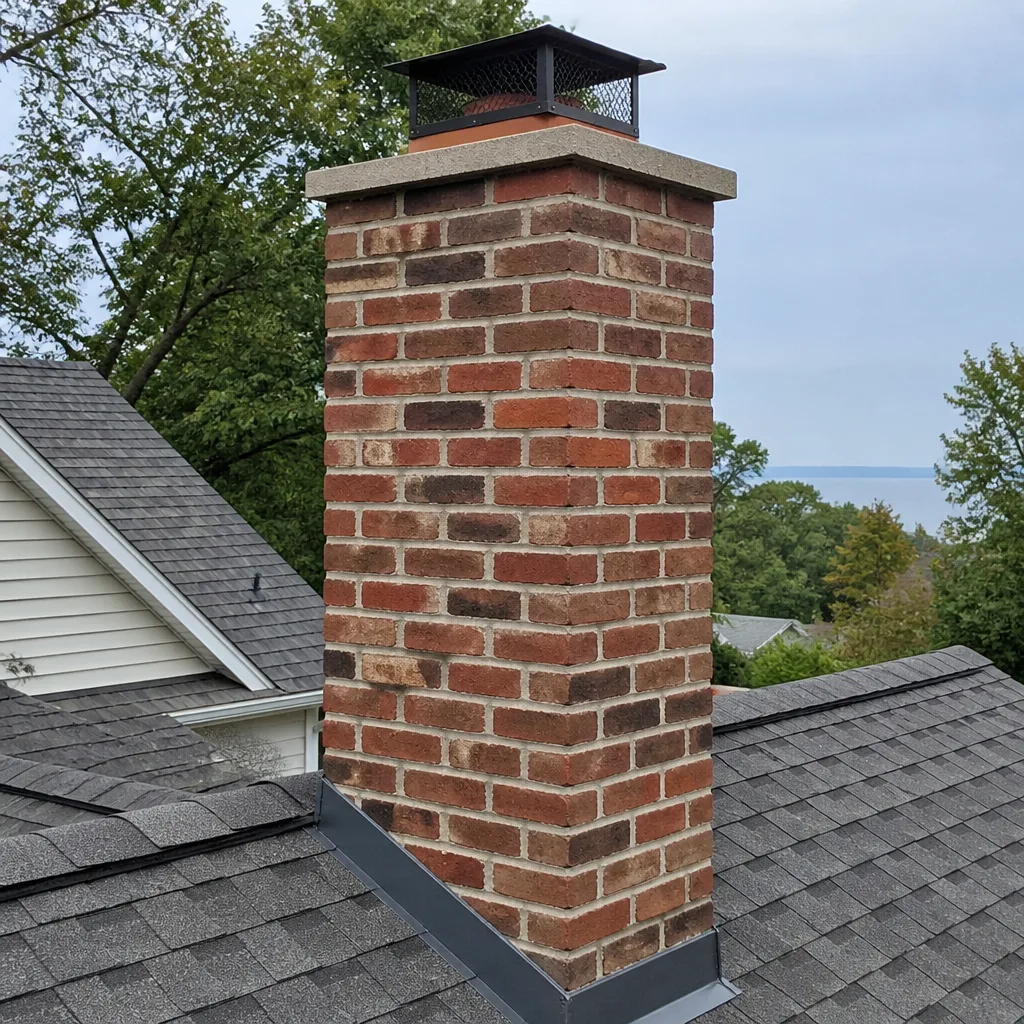 Masonry repair
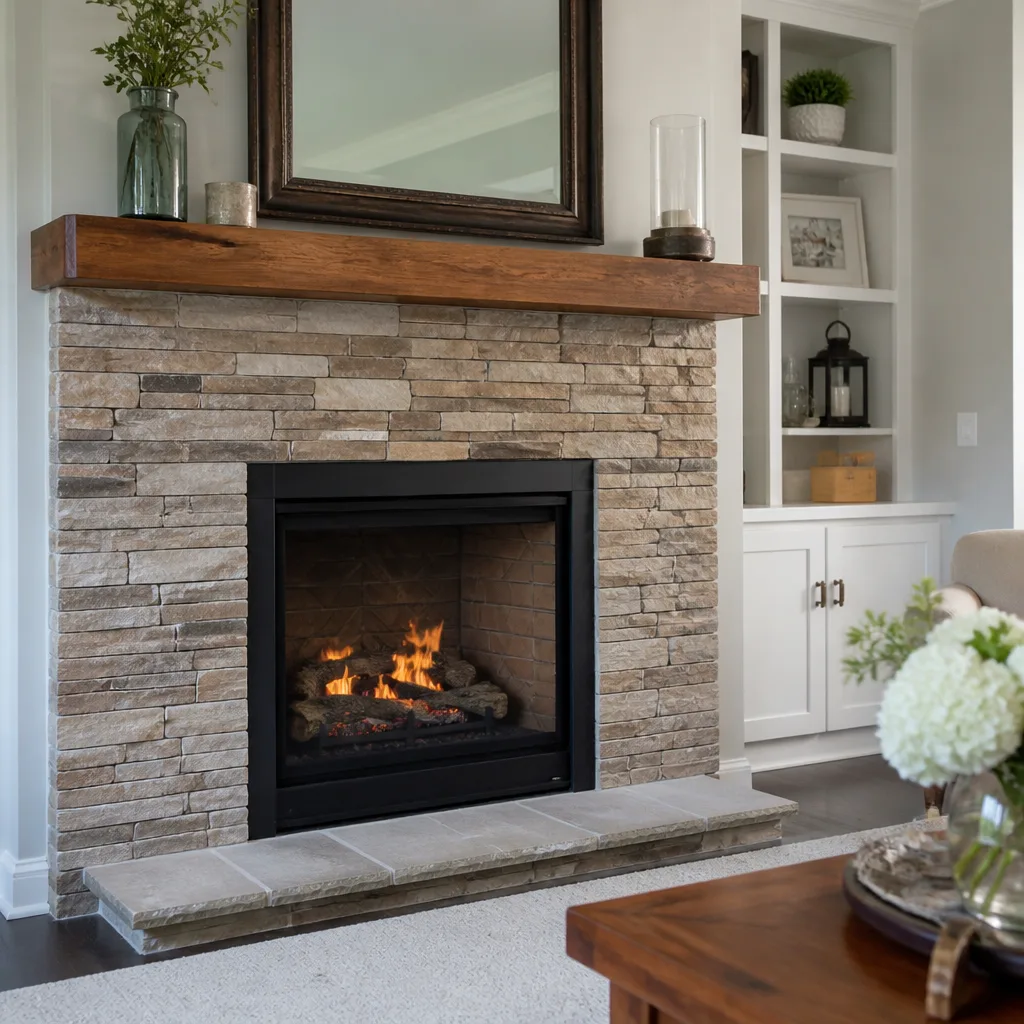 Gas fireplace service
Level 1 sweep and inspection to the NFPA 211 annual standard - flue, crown, cap, and flashing checked and photographed
Chimney sweep logs do not sweep chimneys. They loosen some creosote - which then falls where a brush and vacuum still have to collect it.
Seasonal Chimney Cleaning Care for Holladay: Year-Round Homeowner’s Guide
Scheduling your chimney sweep in October feels responsible. It also means the moisture damage that started in April sits there unaddressed for six months, quietly working on your mortar and flue tiles. Water is what kills masonry chimneys faster than anything else, and in Holladay it arrives as snowmelt, spring rain, and the freeze-thaw cycles that follow. A chimney isn’t maintained by doing the same task four times a year. It’s maintained by doing the right task each season. This guide walks through what each season throws at a Holladay chimney, how to spot it, and a month-by-month calendar built for this valley rather than copied from a national template.
Quick Answer
Chimney care in Holladay follows the seasons, not a single annual appointment: inspect for water damage in spring after snowmelt, address cap and crown UV wear in summer while waterproofing can cure properly, sweep before the first fires in fall to clear creosote, and watch mortar joints for freeze-thaw cracking through winter. Most homes need one professional sweep and inspection a year plus a spring water-damage check, and a chimney that’s actively used should never go two heating seasons without being cleaned.
Styles & brands we work with
- Sweep & inspection
- Caps & crowns
- Flue relining
- Masonry repair
- Gas fireplace service
Table of Contents
- Why Holladay Chimneys Age by Season, Not by Year
- Spring: Snowmelt, Flashing Leaks, and the Inspection Standard Sweeps Skip
- Summer: UV Wear on Caps and Crowns, and the Waterproofing Window
- Fall: Creosote, First Fires, and Why October Is Late
- Winter: Inversions, Heavy Burning, and Freeze-Thaw
- The Holladay Month-by-Month Chimney Calendar
- What You Can Check Yourself and What You Can’t
- What Seasonal Chimney Work Costs in Holladay
Why Holladay Chimneys Age by Season, Not by Year
A chimney in Holladay lives through four genuinely different stress conditions every twelve months, and each one attacks a different part of the assembly. That’s the key idea behind seasonal care. The same masonry that shrugs off August heat will crack when water inside it freezes in January. The cap that looks fine in February can be chalky and UV-degraded by September. A flue that drafts cleanly in June can be restricted by creosote by December. Treating the chimney as one annual chore misses all of this.
Here’s how the seasonal threats map to the parts of your system:
- Spring: snowmelt and rain find failed flashing, cracked crowns, and open mortar joints. Water is the primary enemy of masonry.
- Summer: intense high-altitude sun breaks down sealants and ages caps and crowns. Warm, dry weather is the only reliable window for waterproofing to cure.
- Fall: the first fires of the season meet whatever creosote has built up, and cool nights push families back to the hearth.
- Winter: freeze-thaw cycles work on any mortar holding water, and cold-air inversions push people to burn longer and hotter.
Chimney Sweep Holladay handles the whole system, from the firebox to the cap, which matters here: a seasonal problem often starts in one part of the assembly and shows up in another. A crown crack lets water in, the water reaches the flue, and six months later you’re looking at a liner issue. Catching it in the right season is cheaper than catching it after the damage spreads. If you want the broader picture of how these pieces fit together, our Chimney Sweep Holladay page lays out the full range of work we do.
One more thing before the season-by-season breakdown: the exact timing shifts with the weather. Holladay sits at the base of the Wasatch, and the first hard freeze can arrive earlier or later than the calendar suggests. Use these months as a framework and let the actual conditions guide the precise week you book.
Spring: Snowmelt, Flashing Leaks, and the Inspection Standard Sweeps Skip
Spring is when a Holladay chimney tells the truth about its winter. As snow on the roof melts and spring rain follows, water probes every weakness in the system: the flashing where the chimney meets the roof, the crown on top, the mortar joints, and any hairline crack that opened during the freeze-thaw cycles. This is the season for a water-damage inspection, and it’s a different job from the pre-season sweep most homeowners book in autumn.
A spring inspection is looking for specific things:
- Flashing failures. The metal or membrane that seals the chimney to the roof is the most common leak point. Lifted, rusted, or poorly sealed flashing lets water track down the outside of the flue.
- Crown cracks. The sloped concrete cap on top of the chimney sheds water. Once it cracks, water runs straight down into the flue.
- Mortar joint erosion. Water that soaked in over winter freezes and expands, pushing mortar out. Spring is when the damage becomes visible.
- Interior staining. Rust-colored or white efflorescence stains on the chimney breast inside the house point to water that’s already made it through.
- Damper and firebox rust. A rusty damper is a strong sign of moisture getting in from above.
Why not wait for the autumn sweep? Because water damage compounds. A flashing leak found in May is a repair. The same leak found in October has had a full summer to rot framing and degrade the flue, and it can turn into structural work by the time you notice the stain on the ceiling. We’ve seen plenty of chimney damage in Holladay that started as a five-minute flashing fix and grew for one reason: it wasn’t looked at until autumn.
What a proper spring water-damage inspection involves
- Exterior examination of the crown, flashing, cap, and masonry from roof level.
- Interior inspection of the firebox, damper, smoke chamber, and visible flue.
- A camera inspection of the flue where the chimney is complex, to check the liner for cracks or gaps.
- A written summary with photos, so you can see the evidence for yourself before any repair is recommended.
If spring turns up a real problem, we can address it, including fireplace repair for a rusted damper or firebox. Nothing gets recommended without camera evidence you can look at.
Summer: UV Wear on Caps and Crowns, and the Waterproofing Window
Summer looks like the quiet season for a chimney, but it’s actually when the sun does its slow damage. The high-altitude UV here is hard on the materials topside: chimney caps, crowns, and any sealant or coating on the masonry. Plastic or painted-metal caps get brittle, seals crack, and the crown that was sound in spring can be pitted and crumbling by August. Meanwhile, summer is the best window to apply anything that needs to cure, because warm, dry weather lets waterproofing do its job.
The classic mistake is to waterproof in autumn and then have a wet, cold spell arrive before the coating has fully cured. The warm, dry weeks of summer give you the reliable application window. It’s also the cheapest season for roofing-adjacent work, since you’re not fighting snow or ice on the roof to reach the chimney top.
What chimney waterproofing actually involves
Waterproofing is a breathable sealer applied to the exterior masonry. It’s not paint and it’s not a hard shell: a proper product lets trapped moisture escape as vapor while keeping liquid water out. Applied over sound masonry in warm weather, it cuts down on the water that gets into the brick or stone in the first place, which is what feeds the entire freeze-thaw cycle later in the year.
- Cap check and replacement. A cracked or open cap is the most common way rain and animals get in. We install professional-grade caps from brands like Copperfield and Gelco.
- Crown repair or rebuild. A cracked crown is repaired or rebuilt sloped correctly so it sheds water rather than pooling it.
- Masonry waterproofing. A breathable sealer over sound exterior masonry, applied in warm, dry weather so it can cure.
- Liner check. Summer is a good time to confirm the flue lining is intact before the heavy burning season starts.
All of this is work a full-system chimney company handles in one visit rather than farming out. Cap and crown installation is part of what we do, so a summer appointment can close the two most common entry points for water and wildlife at once. If you’re spotting a crumbling crown or a rusted-out cap, it’s worth booking the check before the first cold snap. Our chimney repair service covers exactly this kind of structural fix.
Fall: Creosote, First Fires, and Why October Is Late
Fall is when everyone thinks about the chimney, and there’s a good reason: the first fires of the season meet whatever creosote has built up over years of burning. Creosote is the tar-like residue from wood smoke, and it’s what fuels chimney fires. But October isn’t always the ideal time to schedule the sweep. In Holladay, if you wait until the first cold snap drives everyone to the phone, you may be booking into a crowded stretch and skipping the water-damage review that spring needed.
Here’s how creosote stages and why it matters:
- Stage 1: soot and flaky residue. The easiest to remove. A standard sweeping clears it. If your chimney is at this stage, you’re in good shape.
- Stage 2: hardened, crinkly deposits. Harder to clear, and it builds faster in a chimney that burns cool, wet, or green wood.
- Stage 3: glazed, tar-like creosote. This is the dangerous stage. It clings to the flue, can be difficult to remove with a standard sweep, and is what makes a chimney fire likely. It’s often the result of restricted draft or consistently poor burning conditions.
In Holladay, fall creosote gets a head start because so many homes fire up the stove or fireplace as soon as the evenings cool. The first few fires of the season, burning in a cold flue, are the ones that deposit the most creosote. So the smart move is to sweep before the first fire, not after.
A pre-season sweep covers more than the flue
- Removal of soot and creosote from the firebox, smoke chamber, and flue.
- A camera look at the flue interior to check for cracks, gaps, and glazed creosote.
- A damper and firebox check, since a stuck damper wastes heat and hurts draft.
- A written record with photos, useful if an inspector or insurer ever asks about the system.
If the flue comes back with a gap in the liner, autumn is the moment to deal with it, before a season of heavy burning. This is where our chimney sweep visit often turns into a real protective fix, and it’s the reason a sweep from a full-system company is worth more than a one-task cleaning.
Winter: Inversions, Heavy Burning, and Freeze-Thaw
Winter is the season your chimney earns its keep, and also the one that does the most damage. During the cold-air inversions that settle into this valley, burning more wood to keep the house warm is normal. Families who heat with wood or run the fireplace hard will deposit more creosote in a few months than in the rest of the year combined, which accelerates creosote staging and pushes a previously clean flue toward the dangerous stage.
Meanwhile, freeze-thaw is quietly working the exterior. Any mortar or masonry holding water from autumn rain freezes, expands, and cracks. Wisconsin-style seasonal damage is not unique to the Midwest; anywhere that swings between freezing nights and warmer days, masonry pays for it. In Holladay, the combination of heavy burning and freeze-thaw makes winter the season to monitor rather than to schedule major work.
What to watch in winter
- Draft problems. A smoky fireplace or a stove that won’t draw can mean a partially blocked flue or cold air at the top. Stop burning and get it checked.
- Creosote buildup. If you’ve been burning heavily through an inversion, don’t assume the flue is still clean by February. A mid-season camera check is cheap compared with a chimney fire.
- New cracks or staining. Fresh water stains inside, or a crumbling mortar joint outside, point to freeze-thaw damage.
- Animals. A missing or damaged cap is an open door in winter. If you hear scratching, a cap or crown check is in order.
If something looks wrong, a mid-winter inspection is a reasonable call. We can also work with your concerns about insurance or a home inspection flag through the colder months. If a fireplace goes cold and you can’t diagnose it, the safest move is to stop using it and have it looked at before the next fire.
A word on carbon monoxide and chimney fires
Two winter risks deserve a straight explanation, not a scare tactic. Carbon monoxide can back up into the house if a flue is blocked or draft fails, which is why a working carbon monoxide alarm and a clean, unobstructed flue matter. Chimney fires start when creosote ignites, and the signs include a loud roaring sound, a lot of dense smoke, and a hot chimney. If you suspect either, get everyone out and call the fire department. Never try to fight a chimney fire yourself. In our experience, the majority of chimney problems are preventable with a clean flue and a sound cap, which is what seasonal care is really about.
The Holladay Month-by-Month Chimney Calendar
This is the part most guides don’t give you: a calendar built for this valley rather than a generic national template. The months below reflect how the seasons actually play out along the Wasatch foothills. Use them as a guide and adjust for the weather in a given year. The first hard freeze and the last snowmelt are the two cues that shift the timing.
- March: as snow starts to melt, watch for water staining inside and check the roof for obvious flashing problems. Book your spring water-damage inspection now, before the spring rush.
- April: the best window for the full spring inspection. Snowmelt exposes flashing and crown leaks. Get the camera inspection done and any water damage identified while it’s fresh.
- May: complete any repairs found in April, while the weather is dry enough for exterior work.
- June: warm, dry weather. This is the prime window for masonry waterproofing and cap or crown replacement, so the coating can cure properly.
- July: finish exterior sealing and crown work. Check the cap for UV damage after the strongest sun of the year.
- August: the last comfortable stretch for roofing-adjacent work before the season turns. A good month to confirm caps and flashing are ready for weather.
- September: book the pre-season sweep and camera inspection now, before the first cold snap. Sweeping before the first fire beats sweeping after it.
- October: first fires begin. Stay aware of draft and smoke, and confirm the sweep is done rather than waiting for November.
- November: heavy burning season arrives. If you didn’t sweep in September or October, book a sweep now and don’t burn a full season on a dirty flue.
- December through February: monitor for draft problems, creosote buildup during inversions, freeze-thaw cracks, and animal intrusion. Book a mid-season check if anything looks off.
That’s the whole cycle: inspect for water in spring, repair and seal in summer, sweep before the first fire in fall, and monitor through winter. It’s not four versions of the same appointment. It’s four different jobs matched to four different threats.
What You Can Check Yourself and What You Can’t
Some seasonal checks are safe and sensible for a homeowner to do. Others involve genuine danger and should be left to trained professionals. Knowing the line keeps you safe and still lets you catch problems early.
Safe for a homeowner to check:
- Visual signs of water staining on the chimney breast, ceiling, or around the fireplace.
- Whether the damper opens and closes freely.
- Whether the chimney cap is intact and free of obvious damage, viewed from the ground with binoculars.
- That a carbon monoxide alarm is present and working.
- The condition of the visible firebox and firebrick, from a distance.
Leave to a professional: anything involving the flue interior, the crown, the liner, or the roof. This includes the high-tension springs and cables in any garage-door-style hardware you might encounter elsewhere, but in chimney terms specifically: do not climb onto the roof to inspect or repair the crown, cap, or flashing yourself, and do not attempt to clean or reline the flue. A fall from a roof or a mistake with the liner can cause serious injury or turn a small repair into a large one. Our technicians have up to 12 years of experience, and they carry the tools and camera equipment to see what a ground-level look can’t. We’d rather you stay off the roof and let us handle it.
If your own check turns up something suspicious, don’t guess at whether it can wait. Get it looked at. A camera inspection is how you know whether you’re facing a real repair or a non-issue, and it’s the difference between being informed and being sold something you can’t verify.
What Seasonal Chimney Work Costs in Holladay
Chimney work is priced per job by a written estimate, and the exact number depends on your chimney’s condition, height, and what’s actually found. The typical ranges below are there to give you a realistic sense of scale before you call. The written estimate is what sets the final price. We don’t work to a flat guess, and the estimate is free.
- Standard chimney sweep and inspection: a routine annual sweep with a camera check and photo report.
- Spring water-damage inspection: a focused assessment of flashing, crown, and interior moisture, with a written summary.
- Chimney cap installation: supply and install of a professional-grade cap, sized to your flue.
- Crown repair or rebuild: correcting a cracked or failed crown so it sheds water correctly.
- Masonry waterproofing: a breathable sealer applied to exterior masonry in the warm months.
- Liner restoration or relining: HeatShield resurfacing for a deteriorating flue interior where a full tear-out isn’t needed, or a DuraFlex flexible liner where the flue configuration calls for one.
Liner restoration is worth understanding because many sweep-only companies can’t do it. HeatShield resurfacing addresses a deteriorating flue interior by coating it from the inside rather than removing and replacing the liner, which is often the lower-disruption route. And when a flue has an offset or an awkward configuration that a rigid liner can’t navigate, a DuraFlex flexible liner is what makes the reline possible at all. That’s a capability gap, not a sales pitch: it’s the difference between being told “you need a full tear-out” and being offered the option that fits your chimney.
What should make you hesitate is being told you need thousands of dollars of liner or masonry work with no way to check it. That’s why our approach is the opposite: nothing gets recommended without camera evidence you can see for yourself, and we’ll say plainly when a piece of work can safely wait. If a crown crack can be monitored for a season instead of rebuilt now, we’ll tell you. Call (855) 658-5257 for an exact estimate, which is free.
Common Mistakes to Avoid
- Treating the autumn sweep as the whole job. One October visit doesn’t address the moisture that gets in over spring and summer. Pair the fall sweep with a spring water-damage inspection and you’ve covered the year. Booking only in autumn leaves half the seasonal threats untouched.
- Waterproofing in the wrong season. Applying a sealer in autumn or early winter can leave it curing poorly in cool, damp weather. Save the warm, dry summer weeks for anything that needs to cure.
- Ignoring a crumbling crown or cap because the chimney “looks fine.” The crown and cap are topside, and the damage is easy to miss from the ground. A cracked crown sends water straight into the flue. Get them checked in summer when repair is easy.
- Burning wet or green wood through a Holladay winter. It burns cool, deposits more creosote, and shortens the time before your flue hits the dangerous stage. Seasoned wood is the simplest protection there is.
- Waiting until the first cold snap to book a sweep. That’s when everyone calls. Book in September so you’re clean before the first fire, not after.
- Assuming a sweep-only company can handle what it finds. A one-task crew cleans and leaves; if they find a failed liner, a bad cap, or a crown crack, you’re back on the phone. Choose a company that covers the whole system so the fix isn’t a handoff.
- Trying to inspect or repair the roof yourself. The view from the ground isn’t the view from the top, and falls are a real risk. Let a trained technician with the right equipment handle anything above the roofline.
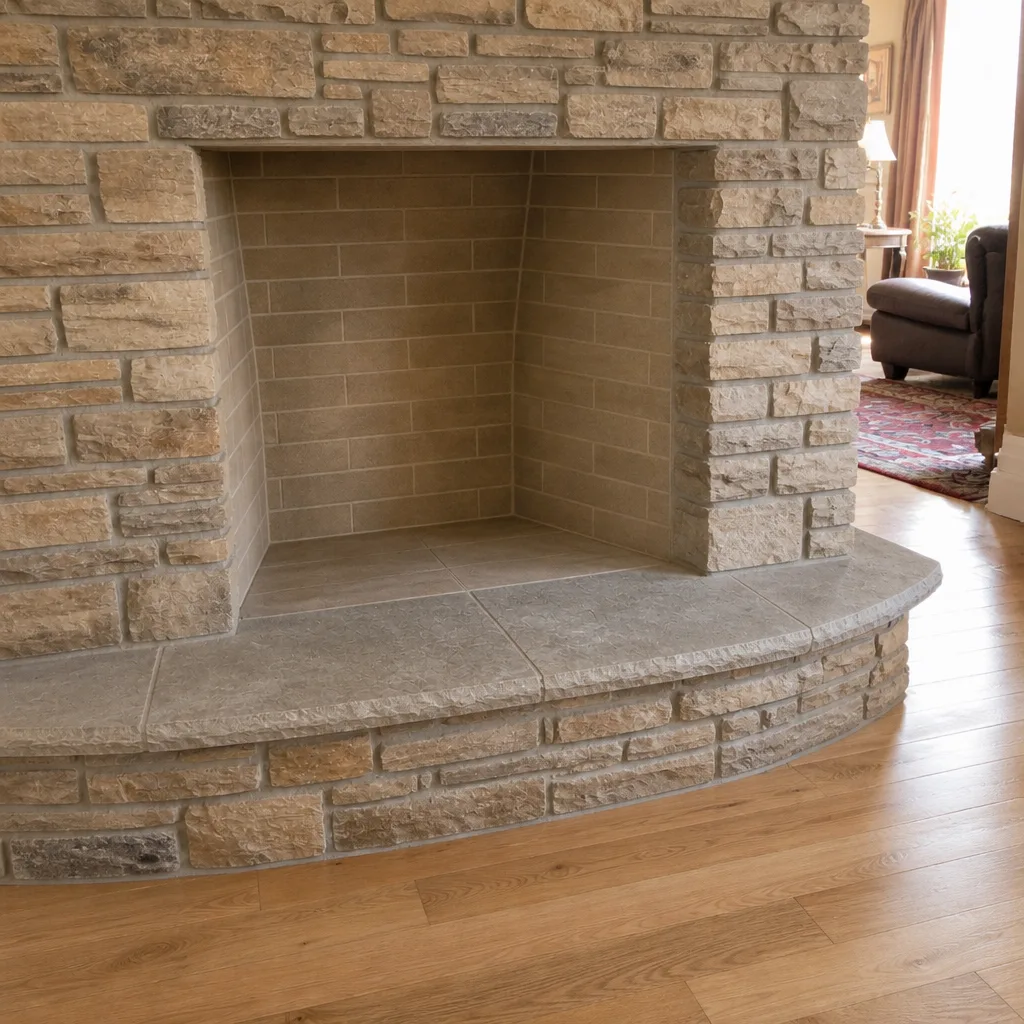
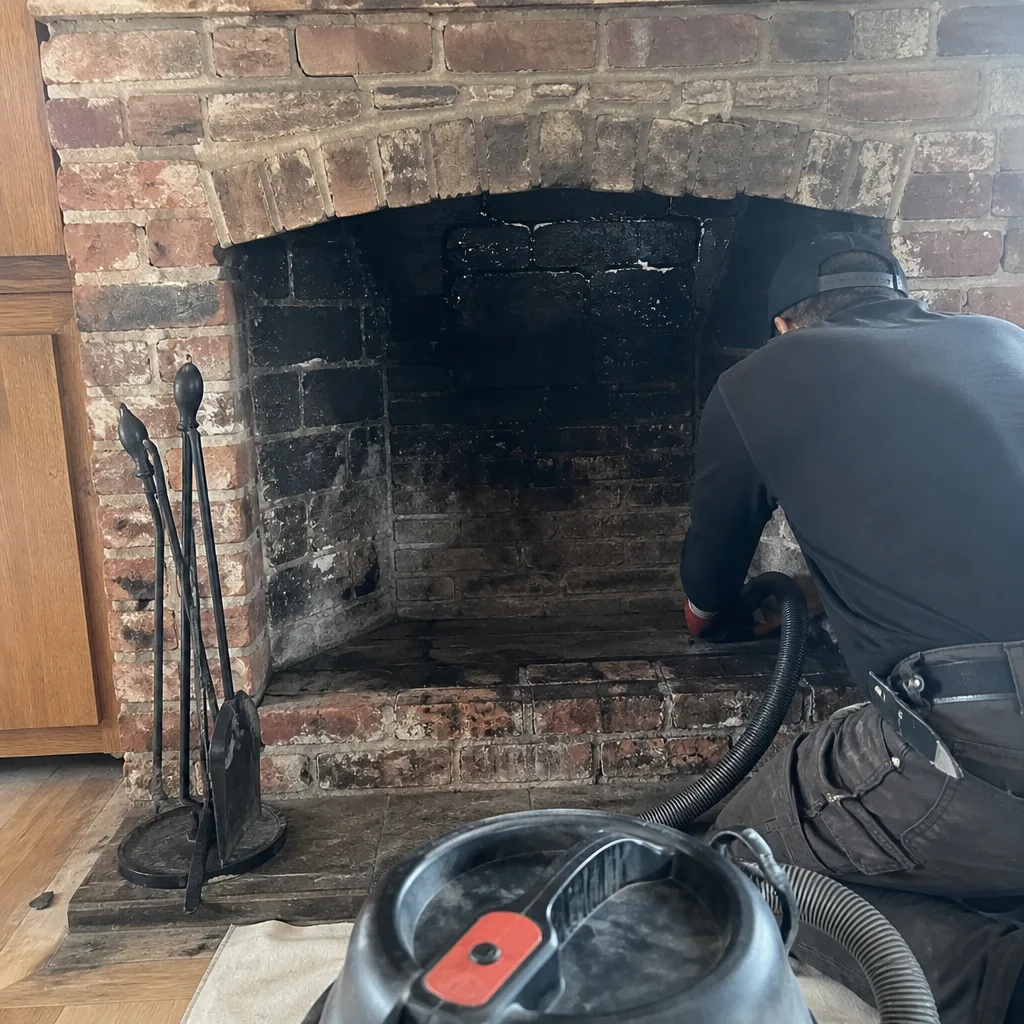
See the difference
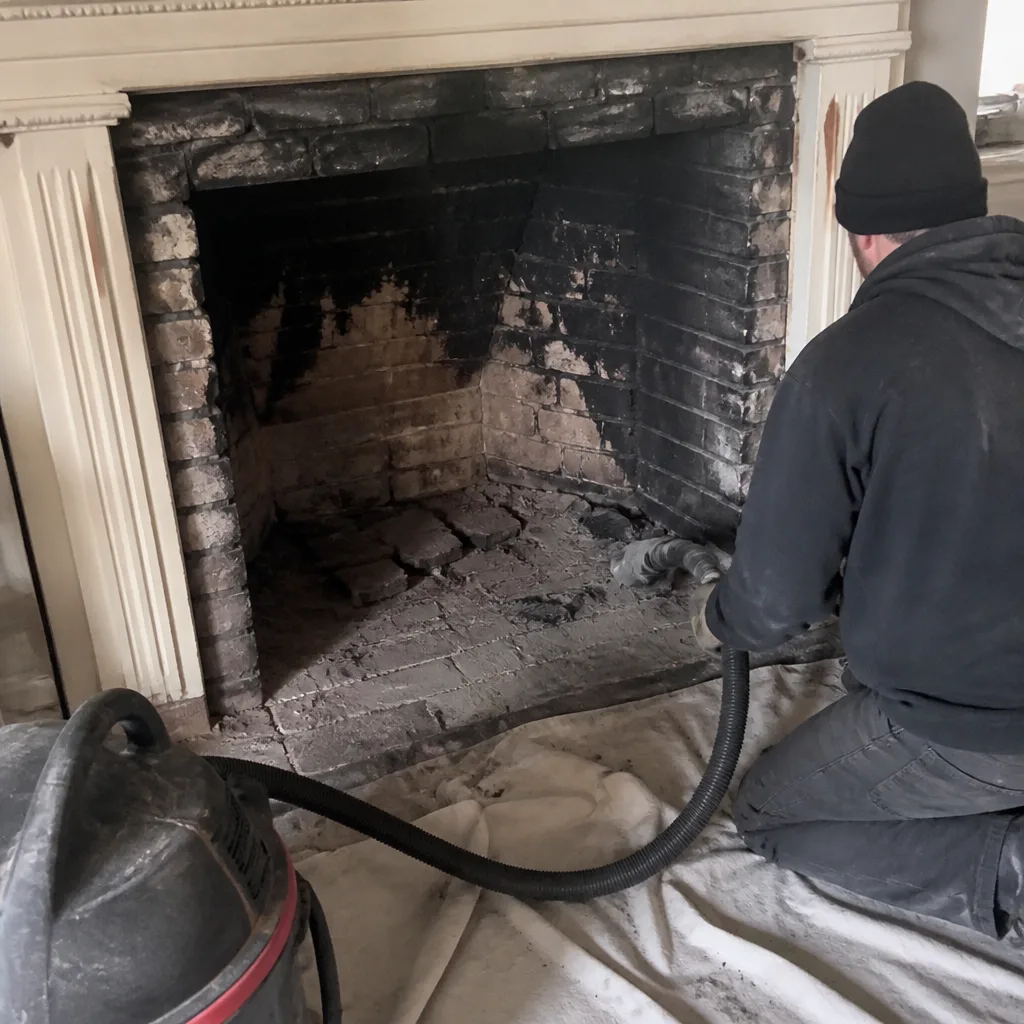 Before
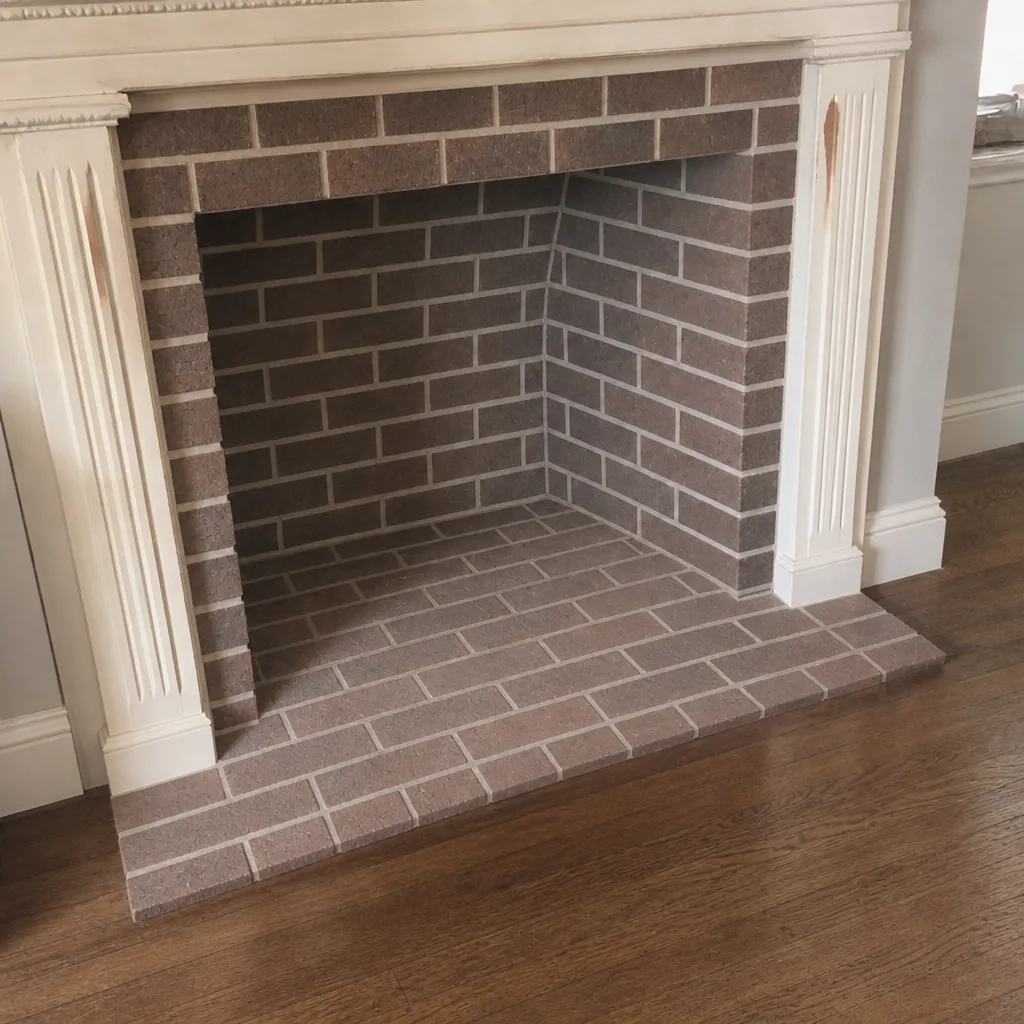 After
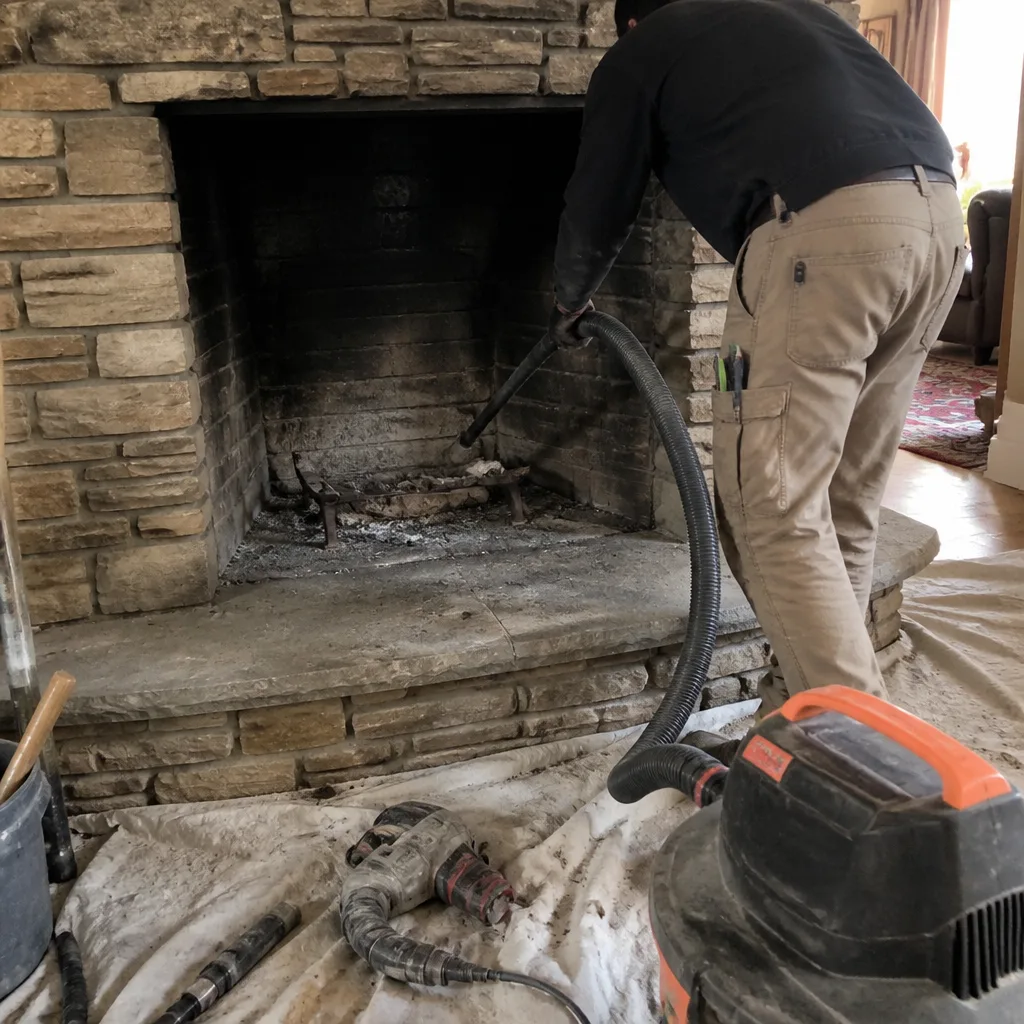 Before
 After
 Before
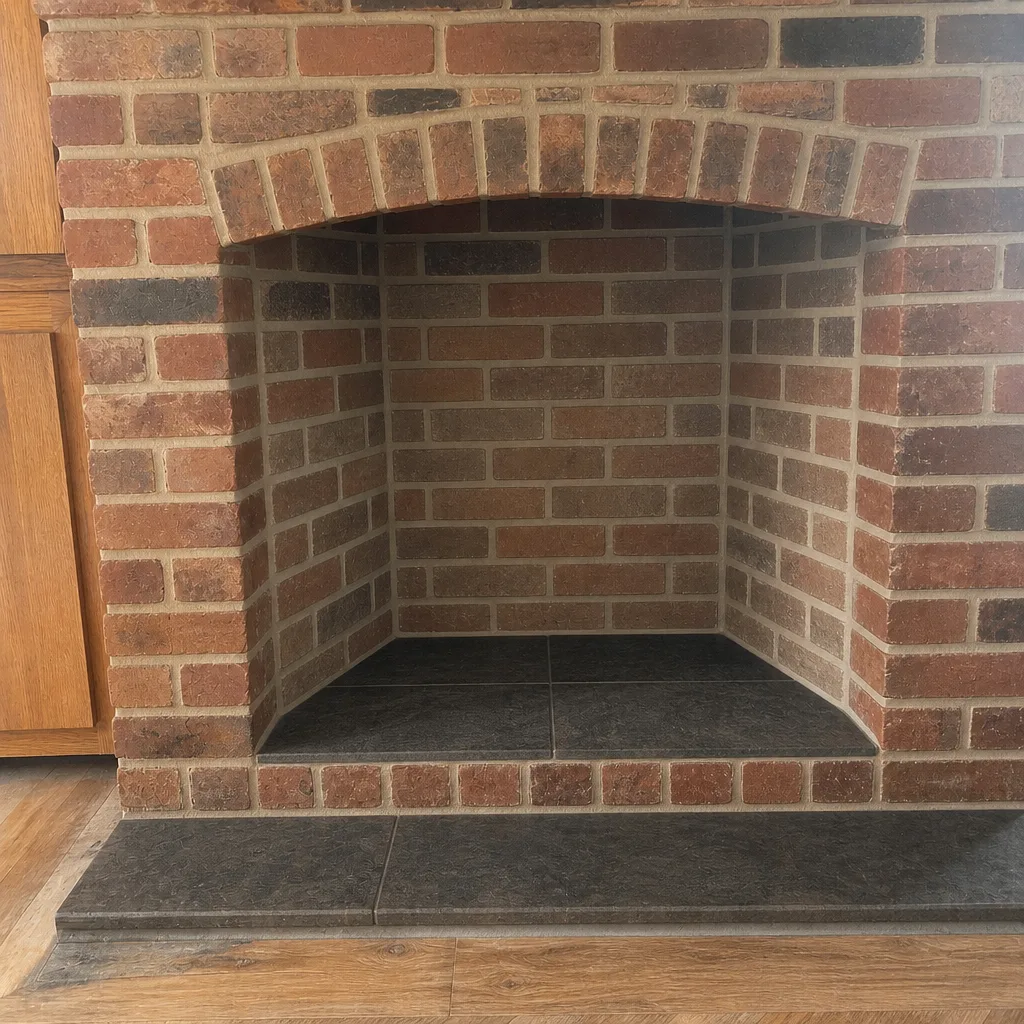 After
When to Call a Professional
Some situations are for a technician, not a do-it-yourself check. Call if you notice water staining inside the house, a crumbling crown or damaged cap, a smoky fireplace that won’t draw, a rusted damper or firebox, or the signs of glaze-stage creosote in the flue. Call if you’ve heard scratching in the chimney in winter, or if a home inspector or insurer has flagged anything about the system. Call before the first fire if you haven’t had the flue cleaned in more than a season of active use. And if you’re simply unsure whether a repair can wait, a camera inspection answers that in one visit.
Chimney Sweep Holladay offers free estimates in Holladay, covering the whole system from the firebox to the cap, and we work with professional-grade brands like HeatShield and Gelco. Call (855) 658-5257.
Frequently Asked Questions
Once a year for most homes, and more often if you burn wood heavily through winter. In Holladay, the cold-air inversions push a lot of families to burn longer and hotter, which speeds up creosote staging, so a chimney that heats the house regularly may want two checks a season. The real test is condition, not a fixed schedule: a camera inspection tells you where the flue actually stands. Call (855) 658-5257 for an exact estimate, which is free.
Because spring is when snowmelt and rain expose the water damage that would otherwise go unnoticed through summer. A spring inspection is specifically looking at flashing leaks, crown cracks, and interior moisture, which a pre-season sweep isn’t designed to assess. Catching the damage in spring stops it from compounding before you next use the fireplace. Call (855) 658-5257 to book a spring water-damage check.
Only if the flue interior is actually damaged, and a camera inspection is how you know. We don’t recommend a liner without photo evidence you can see, and we offer options like HeatShield resurfacing and DuraFlex flexible liners so a full tear-out isn’t always the answer. A deteriorated flue is worth addressing before the next burning season, but a flue that’s fine can safely wait. Call (855) 658-5257 for an honest assessment.
Creosote builds up, which is what fuels chimney fires, and moisture gets into the masonry, which damages the crown, flashing, and flue. Carbon monoxide can also back up into the house if the flue becomes blocked or draft fails. None of that happens overnight, which is why seasonal care catches it early. Call (855) 658-5257 if you’re overdue, and we’ll take a look.
For sound masonry, yes, because water is the main enemy of a masonry chimney and waterproofing keeps liquid water out. The catch is timing: a breathable sealer needs warm, dry weather to cure, which makes summer the right season. If the crown or flashing is failing, those are fixed first. Call (855) 658-5257 to schedule waterproofing in the warm months.
Sometimes, but it depends on what the damage is and what weather you’re facing. A cap that’s missing or cracked lets rain and animals in, and those problems get worse through a wet spring or a snowy winter. If your cap is compromised and you’re heading into the wet season, it’s worth fixing sooner rather than later. Call (855) 658-5257 and we’ll tell you honestly whether it can safely wait.
The Bottom Line
Holladay’s four seasons each hit a different part of your chimney: spring brings snowmelt and flashing leaks, summer brings UV and the only reliable window for waterproofing, fall brings creosote and the first fires, and winter brings inversions and freeze-thaw. Year-round care is doing the right job in the right season, not the same job four times. If you take one thing from this guide, make it this: don’t let the autumn sweep be the only thing you do. Pair it with a spring water-damage inspection, match your seasonal repairs to the weather, and choose a company that can fix what it finds. That’s how a chimney avoids costly surprises and keeps serving your home safely.
Chimney Sweep Holladay covers the whole system, from sweeping and inspection to fireplace repair, chimney repair, and cap and crown installation, with in-house handling of the full lifecycle. Call (855) 658-5257 for a free estimate. We answer 24/7. Fast dispatch from 7am to 7pm, Sunday through Friday. Don’t wait for the first cold snap to find out what your chimney needs; a call now sets up the right seasonal plan for the year ahead.
Written by the team at Chimney Sweep Holladay.