
Last updated November 24, 2026
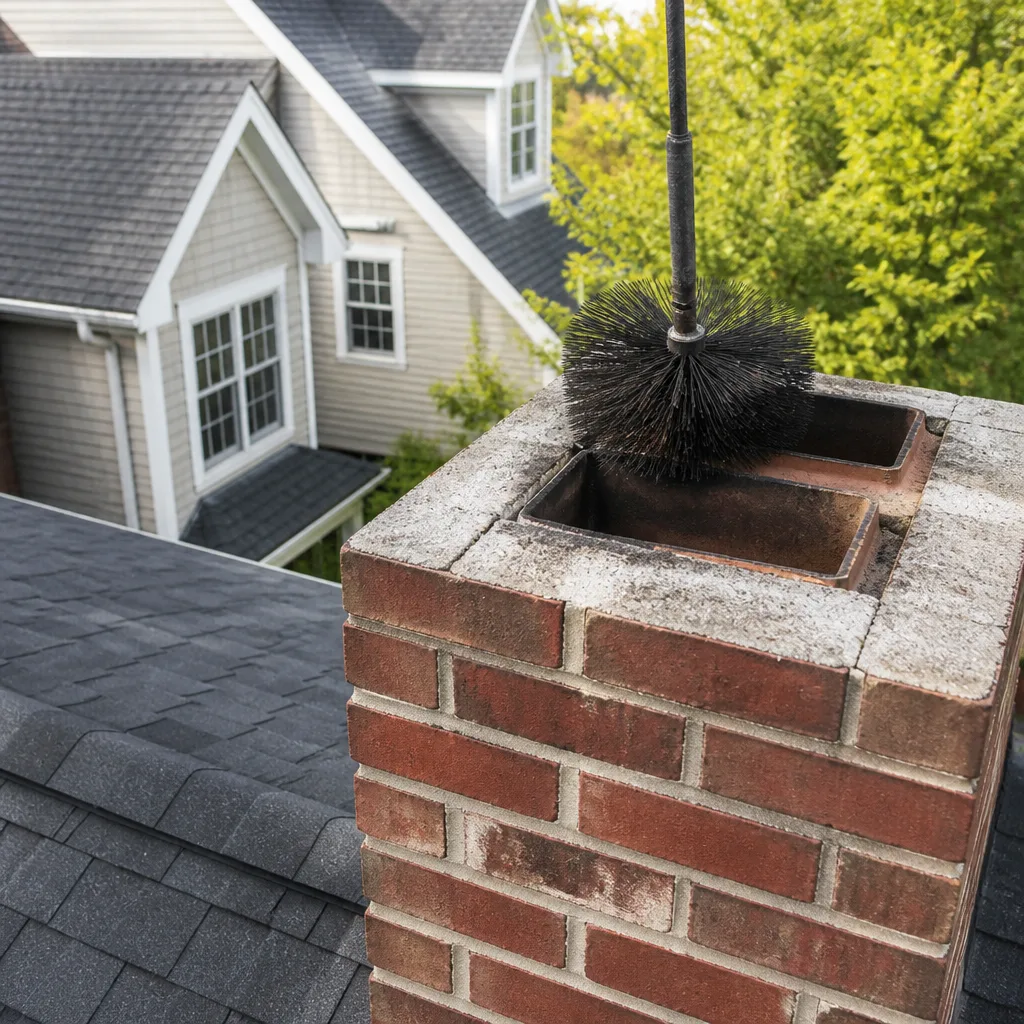 Sweep & inspection
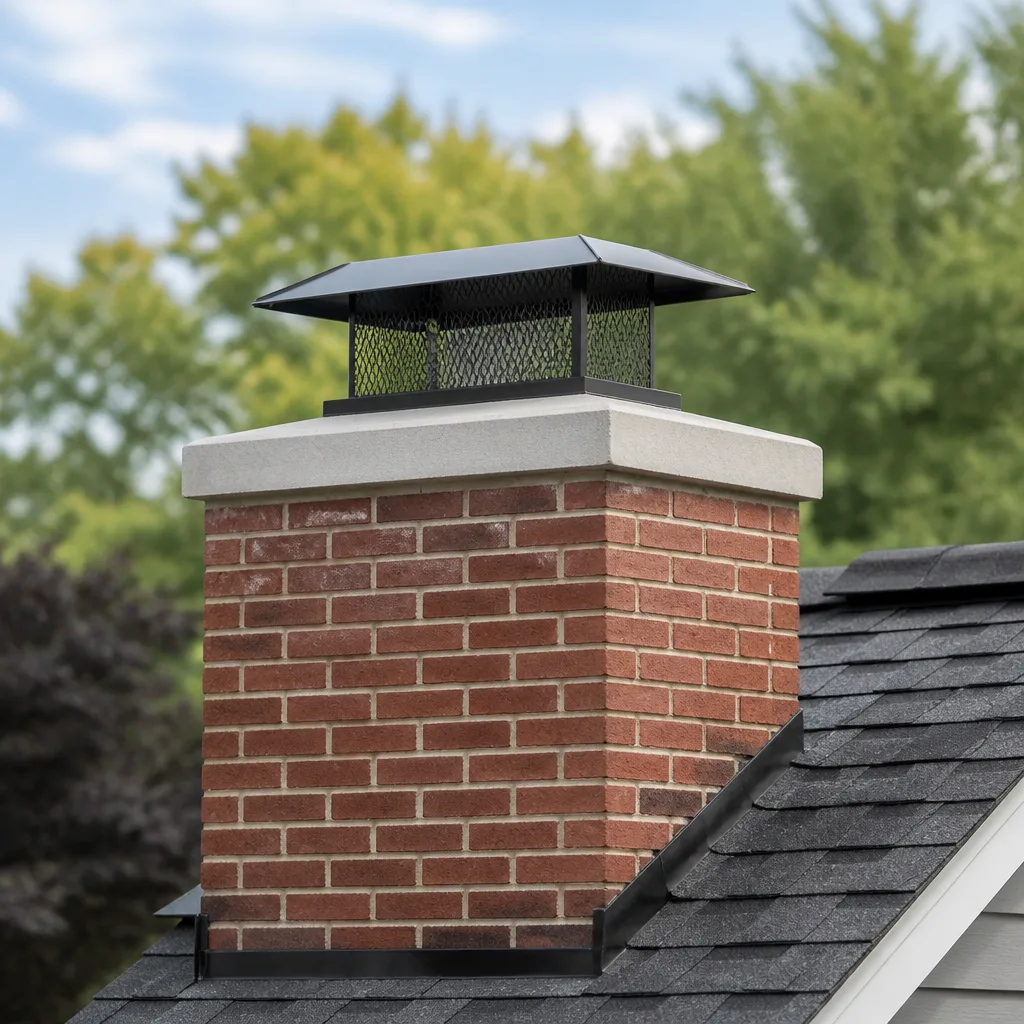 Caps & crowns
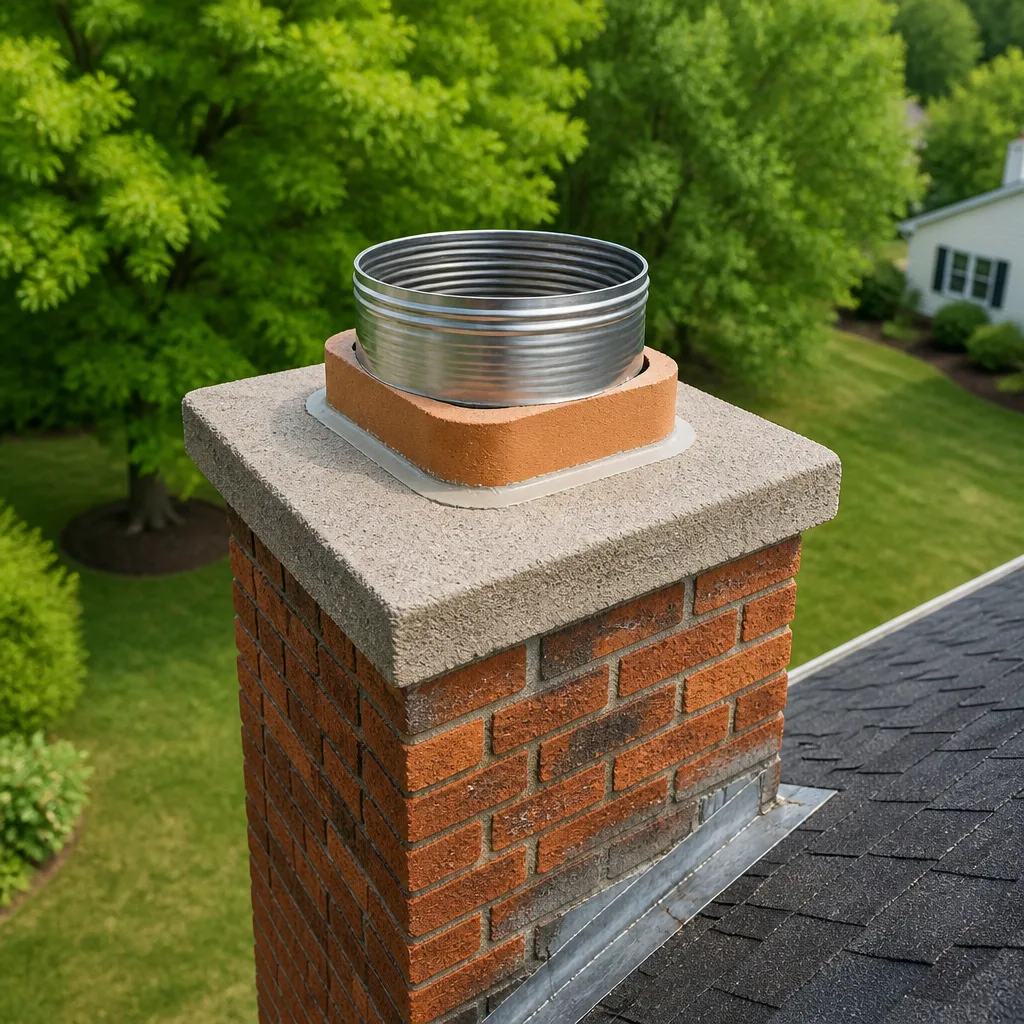 Flue relining
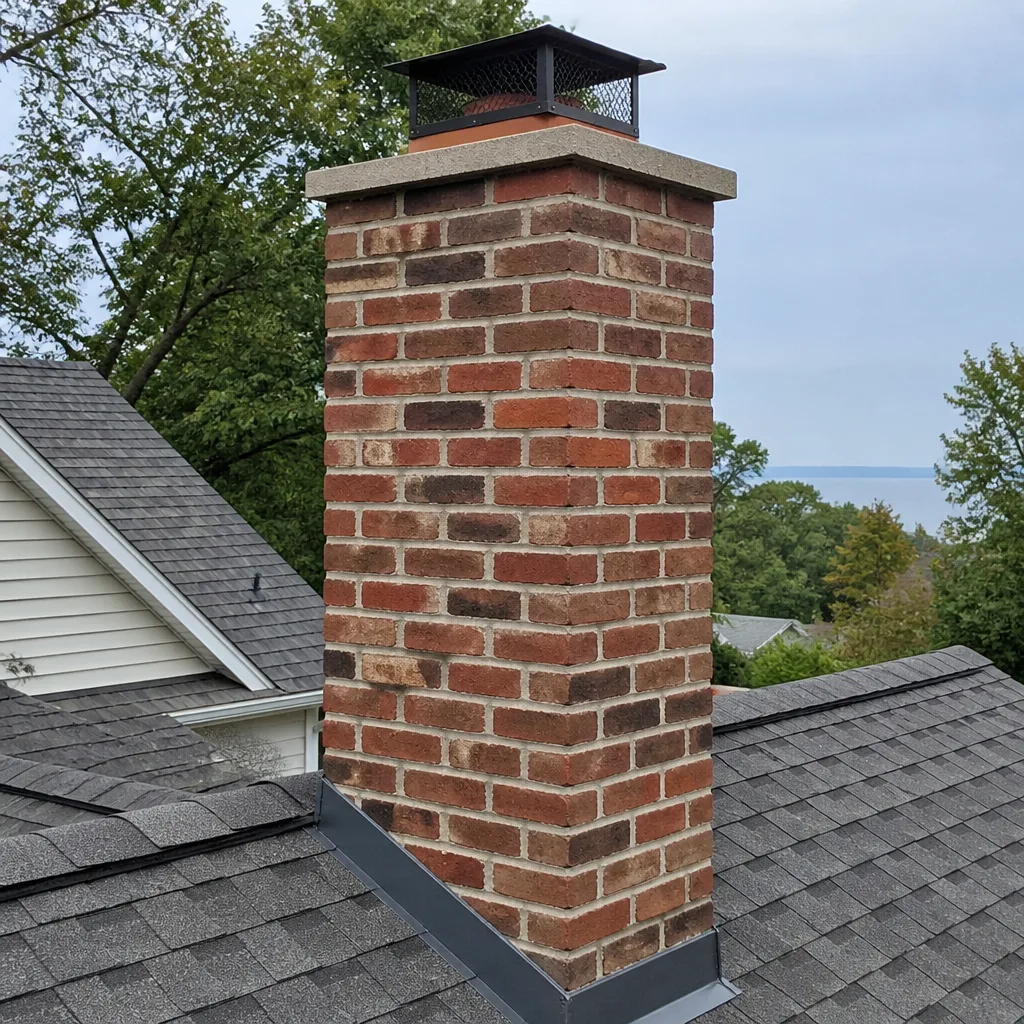 Masonry repair
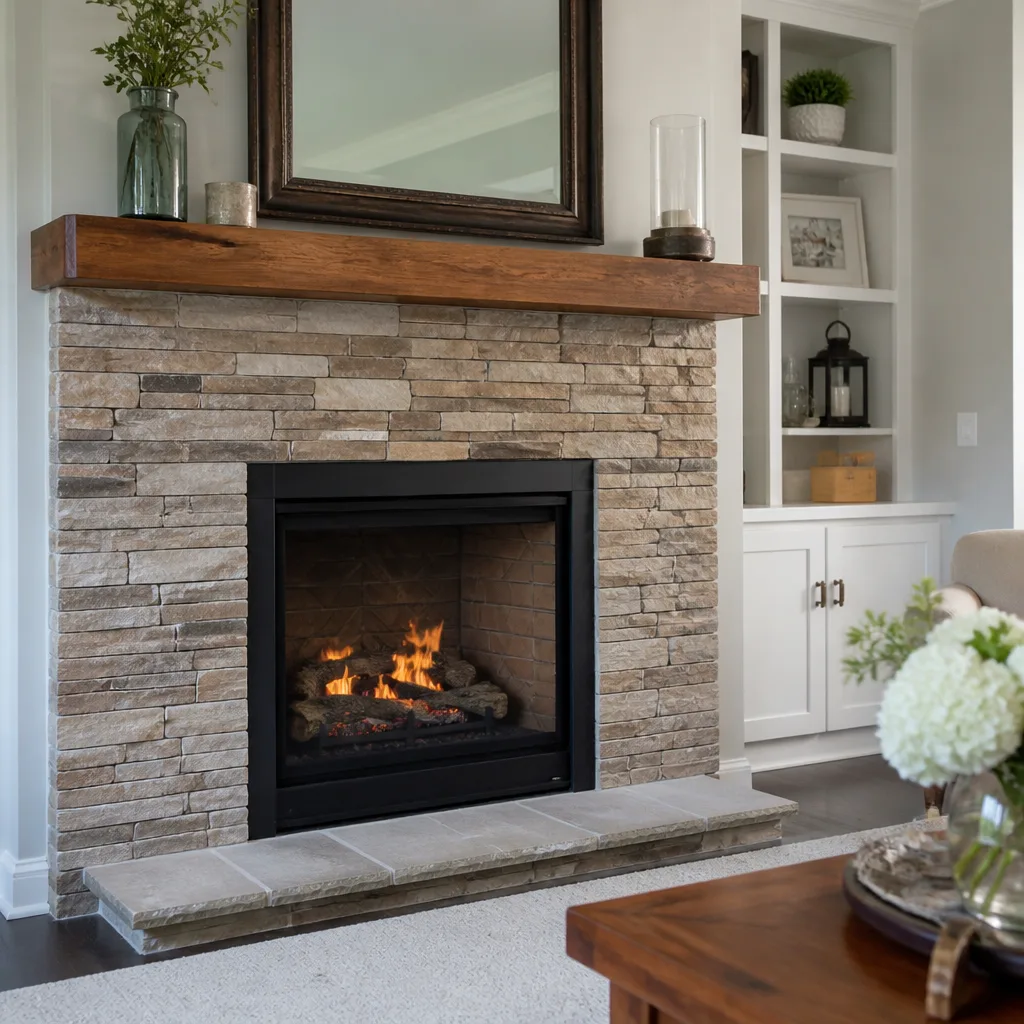 Gas fireplace service
Level 1 sweep and inspection to the NFPA 211 annual standard - flue, crown, cap, and flashing checked and photographed
Chimney sweep logs do not sweep chimneys. They loosen some creosote - which then falls where a brush and vacuum still have to collect it.
Chimney Cleaning Permits, Codes & Inspections in Holladay, UT: What You Need to Know
Here’s the part that surprises most homeowners in Holladay: the cleaning itself almost never needs a permit. It’s the repairs that cleaning uncovers that do. A cracked flue tile, a failed liner, a rebuilt firebox, a new cap – these fall under building code, and in Utah, work done without the right permit can complicate a home sale years later, even when the repair itself was done correctly. This guide walks through where the permit line actually sits, which jurisdiction governs your address in Holladay, what NFPA 211 and the International Residential Code expect, and how to document a repair so it holds up at resale. We’ll keep it practical.
Quick Answer
Chimney sweeping in Holladay is routine maintenance and does not require a permit. Structural chimney repair and flue liner replacement generally do fall under Salt Lake County building codes and typically require a permit, and which office issues that permit depends on whether your address sits inside Holladay city limits or in unincorporated Salt Lake County. A code-compliant job ends with an inspection and paperwork you keep with the house.
Styles & brands we work with
- Sweep & inspection
- Caps & crowns
- Flue relining
- Masonry repair
- Gas fireplace service
Table of Contents
- Where the Permit Line Sits: Cleaning vs. Repair
- Holladay City Limits vs. Unincorporated Salt Lake County
- The Code Framework: NFPA 211 and IRC Chapter 10
- What a Real Inspection Looks Like (and What It Finds)
- When Unpermitted Chimney Work Turns Up in a Utah Sale
- How to Document a Code-Compliant Repair
- Why Holladay’s Climate and Housing Stock Matter
- The Step-by-Step Permit and Repair Process
Where the Permit Line Sits: Cleaning vs. Repair
The cleanest way to think about it: maintenance is one category, construction is another. Sweeping a flue, removing creosote, checking a cap and running a camera down the chimney are maintenance tasks. Nobody pulls a permit to brush a flue. But the moment a job changes the chimney’s structure or its lining system, you’ve crossed into work that a building department wants to see.
In our experience across Holladay, the jobs that reliably raise the permit question are these:
- Flue liner replacement – a new stainless liner, whether rigid or a flexible system like DuraFlex, is a change to the venting assembly.
- Firebox and smoke chamber repair – rebuilding refractory panels or resurfacing a smoke chamber with a product like HeatShield is structural work inside the chimney.
- Chimney crown replacement or reconstruction – the crown is the concrete cap at the top that sheds water; replacing it is masonry work.
- Chimney chase or stack repair – repointing, rebuilding above the roofline, or correcting a lean.
- New appliance connections – adding a wood stove or inserting a fireplace insert often changes the venting requirements.
What usually does not need a permit: a sweep, a Level 1 or Level 2 inspection, a cap swap where the existing crown and flue are sound, and minor firebox touch-ups that don’t alter the structure. When in doubt, the answer is one phone call to the building department that governs your address. Ask them to describe the work and let them classify it. That call is free, and it’s the fastest way to know where you stand in Holladay.
Holladay City Limits vs. Unincorporated Salt Lake County
Holladay is a city, not just a mailing address, and that distinction matters when you’re pulling a permit. Holladay incorporated as its own municipality, which means addresses inside city limits generally fall under the City of Holladay’s building department for permits and inspections. Addresses in the surrounding area that carry a Holladay mailing address but sit in unincorporated Salt Lake County are typically governed by Salt Lake County building services instead.
It’s not unusual for two neighbors on the same street to fall under different jurisdictions, because the city boundary does not follow every street line. A property on the Holladay side of the line answers to the city; one just outside answers to the county. Both use Utah’s adopted building code as the baseline, but the submittal process, the inspection scheduling, and the paperwork you receive at the end differ.
Here’s how to sort it out before any repair starts:
- Pull up your address on the Salt Lake County parcel map or the City of Holladay’s online mapping tool and confirm which jurisdiction your parcel sits in.
- Call that jurisdiction’s building department and describe the proposed work – liner, crown, firebox, whatever the inspection found.
- Ask whether the scope requires a permit and, if so, whether the contractor pulls it or the homeowner does. In practice the contractor pulls it, since the contractor holds the license tied to the work.
- Get the permit number in writing before work begins, and keep it with your home records.
This is exactly the kind of thing a chimney company that only sweeps won’t help you untangle. We handle the whole chimney – not just the sweep – so we’re used to identifying the jurisdiction and following its process on every repair we recommend in Holladay.
The Code Framework: NFPA 211 and IRC Chapter 10
Two documents do most of the heavy lifting when a chimney is inspected or repaired. The first is NFPA 211, the Standard for Chimneys, Fireplaces, Vents, and Solid Fuel-Burning Appliances. The second is Chapter 10 of the International Residential Code, which Utah has adopted. A contractor who can’t tell you which of these applies to your repair is not working from a code framework – they’re working from habit.
NFPA 211 sets the inspection levels (more on those below), the clearance requirements between a chimney and combustible materials, the condition standards a flue must meet before it’s returned to service, and the criteria for when a liner must be replaced versus resurfaced. IRC Chapter 10 covers the construction side: chimney height relative to the roofline, wall thickness, liner requirements, and crown and cap provisions.
In practical terms, this is what the framework means for a Holladay homeowner:
- A flue with cracked or spalled tiles typically cannot be returned to service without a liner, per NFPA 211 condition standards.
- Chimneys must maintain required clearances to combustibles; a repair that closes a clearance gap back up to code is a code-driven fix, not a cosmetic one.
- The chimney must terminate at the correct height above the roof to draft properly, which is why a shortened or modified stack can fail inspection.
- Caps and crowns are part of the system, not accessories – IRC provisions address them because water intrusion and animal entry degrade the flue over time.
When a repair is designed around these two documents, it tends to pass inspection the first time. When it’s designed around what’s quickest, it tends to come back. We work from the code framework because the alternative is a callback you don’t want and a paper trail a buyer’s inspector will question.
What a Real Inspection Looks Like (and What It Finds)
NFPA 211 defines three inspection levels, and knowing which one you’re getting is the difference between a real assessment and a glance up the flue. Here’s the breakdown:
- Level 1 inspection – the routine check during a sweep. It covers the readily accessible portions of the chimney, firebox, and connector, without tools that require opening anything up. Appropriate when the appliance and fuel type haven’t changed and there’s no known problem.
- Level 2 inspection – the deeper look, including a camera run through the flue and inspection of accessible attic, crawlspace, and concealed areas. Required when a property changes hands, when an appliance or fuel type changes, after a chimney fire or seismic event, or when there’s a known issue to chase down.
- Level 3 inspection – the investigative level, where portions of the chimney or building may need to be opened up to access a concealed problem. This is rare and usually follows a specific diagnosis.
For most Holladay homeowners, the Level 2 is the workhorse. It’s the one a real estate transaction will call for, and it’s the one that produces the camera footage showing whether a flue is sound or lined with cracked tiles. A camera inspection and photo report included with the visit is what turns “I think your liner’s shot” into something you can look at yourself and understand. We don’t recommend liner or masonry work without that evidence in hand, and we say plainly when a repair can safely wait a season or two.
A proper inspection walks the whole system: the firebox and damper, the smoke chamber, the flue, the crown, the cap, and the exterior above the roofline. Skipping any of those is how problems hide. From the firebox to the cap, one company handles it all – which means the findings on the inspection report are findings we can actually resolve, not a list you have to farm out to three other trades.
When Unpermitted Chimney Work Turns Up in a Utah Sale
This is where the permit question stops being abstract. When a home in Holladay goes on the market, the buyer’s inspector will look at the chimney, and in Utah a Level 2 inspection is a common request during the transaction. If that inspection finds a replaced liner or a rebuilt crown with no permit on record, the conversation gets complicated – not because the work was done badly, but because there’s no paper trail confirming it was done to code.
What can happen at that point:
- The buyer’s lender may require documentation that the work was permitted and inspected before closing.
- The buyer may ask for a credit or a price reduction to cover retroactive permitting or re-inspection.
- The seller may need to open a permit after the fact, which means an inspection of work that’s now hidden behind finish materials.
- In some cases the corrected work needs to be opened up so an inspector can see it, which is expensive and disruptive during a sale.
None of this means your chimney is unsafe. It means the record is incomplete, and an incomplete record is a liability that follows the house. The fix is simple: permit the structural work when it’s done, keep the inspection sign-off with your home records, and hand it to the buyer’s inspector when asked. That’s a short document that resolves a long conversation.
How to Document a Code-Compliant Repair
A code-compliant repair isn’t finished when the last screw goes in. It’s finished when the inspection passes and the paperwork is in your hands. Here’s what a properly documented job includes:
- The permit number and scope – the permit record showing what work was authorized and under which jurisdiction (Holladay city or Salt Lake County).
- The pre-repair inspection report – the camera footage, photos, and written findings that justified the repair in the first place.
- The materials record – the liner or component used, with the manufacturer’s documentation. Professional-grade parts from brands chimney specialists trust, like Olympia Chimney or DuraFlex, come with that documentation built in.
- The post-repair inspection sign-off – the final inspection approval from the building department, kept as a PDF with your home records.
- A post-repair camera pass – footage of the finished flue, showing the liner seated correctly and the connections tight. This is the part most homeowners never see, and it’s the part a buyer’s inspector will want.
The goal is a folder a future buyer can read without calling anyone. When a Holladay home changes hands with that folder in the kitchen drawer, the chimney stops being a negotiation point and becomes a documented asset. A chimney inspection that actually leads somewhere – we can fix what we find and hand you the record to prove it.
Why Holladay’s Climate and Housing Stock Matter
Holladay sits against the Wasatch bench, which means cold winters, a real heating season, and snow load on roofs for months at a time. A chimney here works hard for a good part of the year, which accelerates creosote buildup in wood-burning flues and puts stress on the crown and cap through repeated freeze-thaw cycles. A concrete crown that looks fine in July can be spiderwebbed by February, and once it’s cracked, water gets into the chimney body and the damage moves downward into the masonry and the flue.
The housing stock adds another layer. Many homes in Holladay and the surrounding neighborhoods date from the mid-century era, with original masonry chimneys that were built to the code of their day. Those chimneys often have clay tile flues that have since cracked, and fireboxes with refractory panels that have spalled. Code has tightened since then – current IRC Chapter 10 and NFPA 211 standards are stricter about clearances and liner requirements than what was common decades ago – so a chimney that was compliant when it was built may not pass a modern Level 2 inspection without some work.
That gap is where the permit question bites hardest. An older Holladay chimney with a cracked flue needs a liner to be returned to service, and that liner is exactly the kind of structural work that requires a permit. Skipping the permit doesn’t make the liner unnecessary; it just leaves the record incomplete.
The Step-by-Step Permit and Repair Process
When an inspection finds work that needs a permit, here’s how a properly run job goes from start to finish:
- Level 2 inspection with camera and photo report. This establishes what’s actually wrong and gives you the evidence to decide with.
- Written estimate for the repair. You get a clear scope and price per job, agreed before anything is booked. Nothing moves forward on a verbal handshake.
- Identify your jurisdiction. Confirm whether the address is inside Holladay city limits or in unincorporated Salt Lake County, and which building department issues the permit.
- Pull the permit and submit the scope. The contractor of record pulls the permit and submits the proposed work – liner, crown, firebox, whatever the inspection called for.
- Perform the repair with documented materials. Liner, crown, and cap work installed to code, with the manufacturer’s documentation kept.
- Schedule the inspection and pass it. The jurisdiction inspects the completed work and signs off.
- Hand over the record. You receive the permit number, the inspection sign-off, the pre-repair report, and the post-repair camera footage. Keep that folder with your home records.
That’s the whole loop, and it’s the same loop whether the repair is a liner or a crown. The complexity is in knowing which jurisdiction governs which address, what the code framework requires for that specific repair, and how to document it so it holds up at resale. We handle the whole chimney on that basis, because handing off the inspection or the paperwork to a subcontractor is exactly where the record goes missing.
Common Mistakes to Avoid
- Assuming cleaning and repair share a permit rule. Sweeping is maintenance and typically permit-free; liner and structural work is not. Treat each job on its own terms or you’ll miss the permit.
- Guessing which jurisdiction governs your Holladay address. A Holladay mailing address does not always mean Holladay city limits. Check the parcel map before you pull a permit, or you’ll file with the wrong office.
- Skipping the Level 2 inspection during a sale. A pre-closing inspection without camera documentation leaves you defending the chimney on words alone. Get the footage.
- Letting a contractor “handle it” without a paper trail. If the work is structural, get the permit number in writing before anything is torn out. A verbal assurance doesn’t survive a resale.
- Treating a cracked crown as cosmetic. In Holladay’s freeze-thaw cycle, a cracked crown is a water entry point that moves damage into the masonry. Repair it before it becomes structural.
- Returning a cracked flue to service without a liner. NFPA 211 condition standards don’t leave room for this. A lined flue is the compliant answer; a patched one is not.
- Discarding the post-repair camera pass. That footage is the single most useful document in your home file when a buyer’s inspector looks up the flue. Keep it.
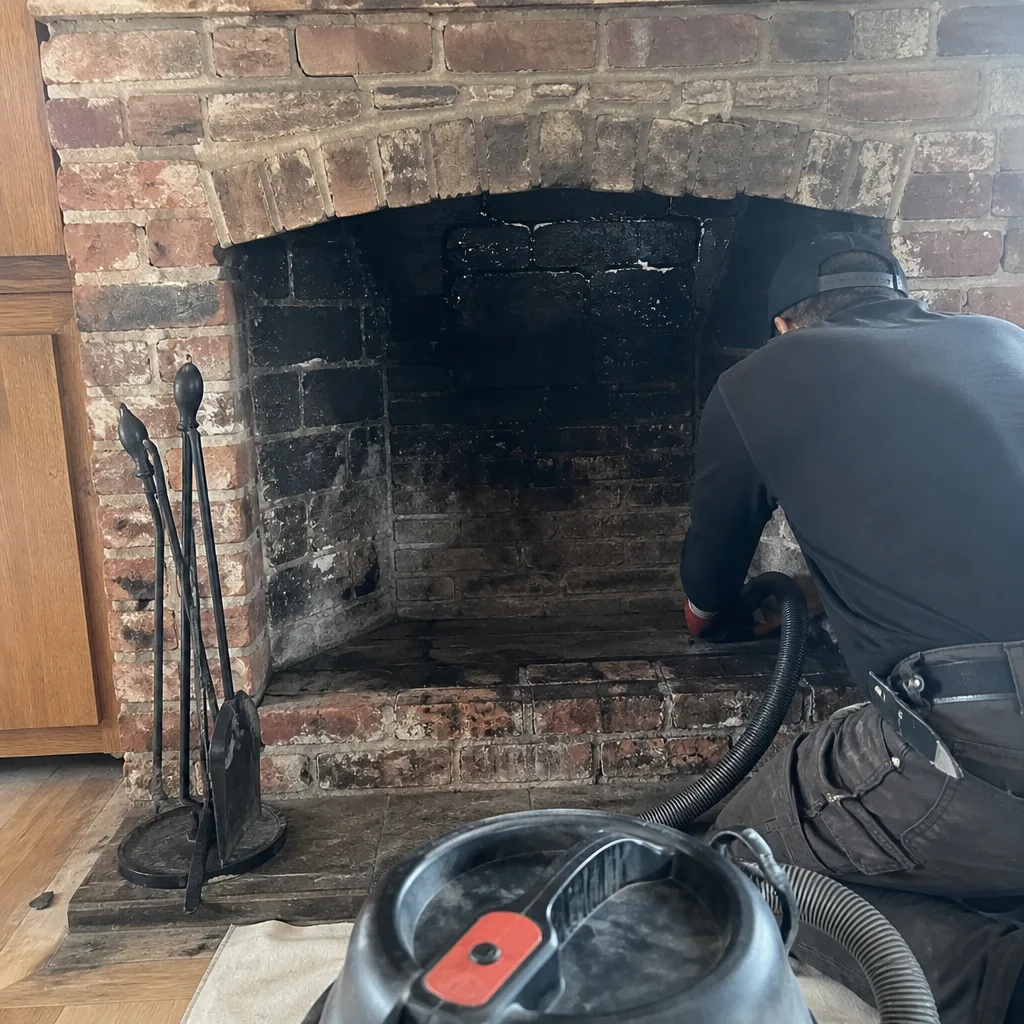
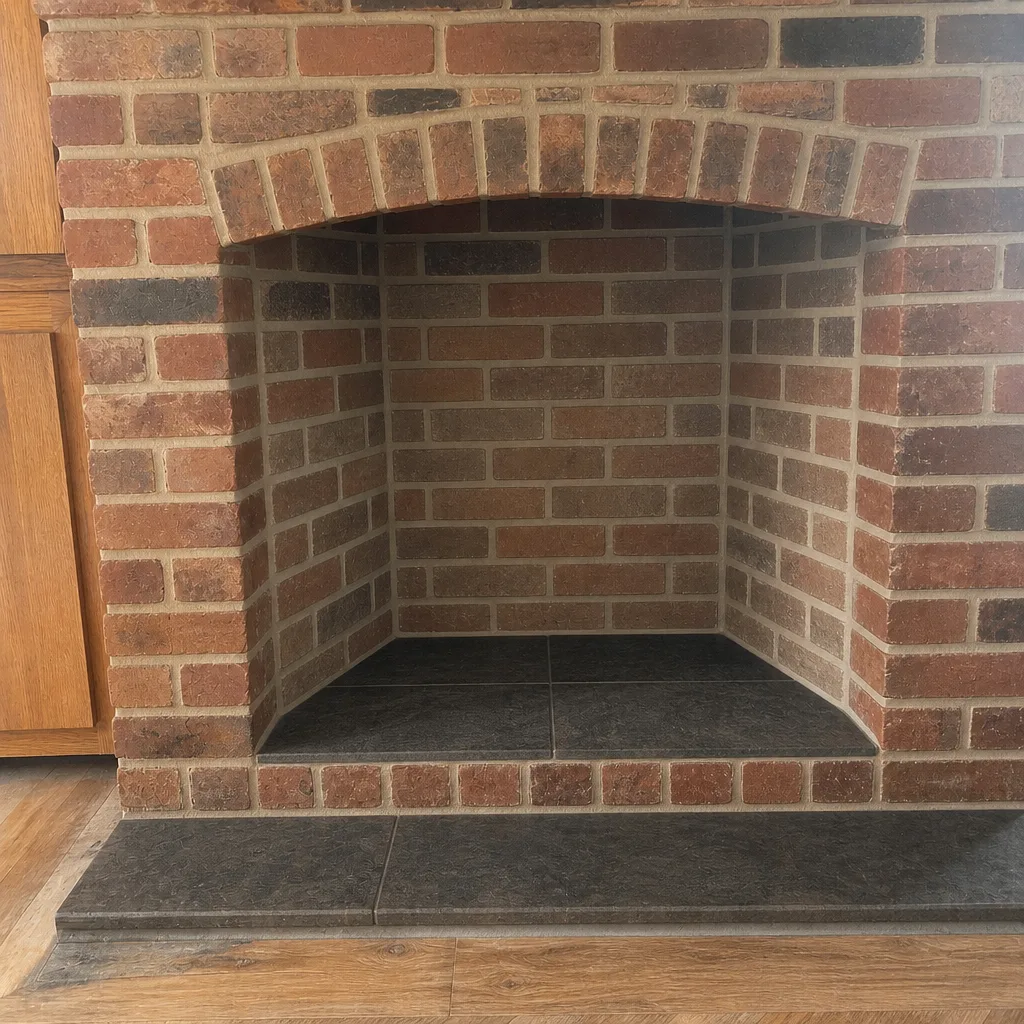
See the difference
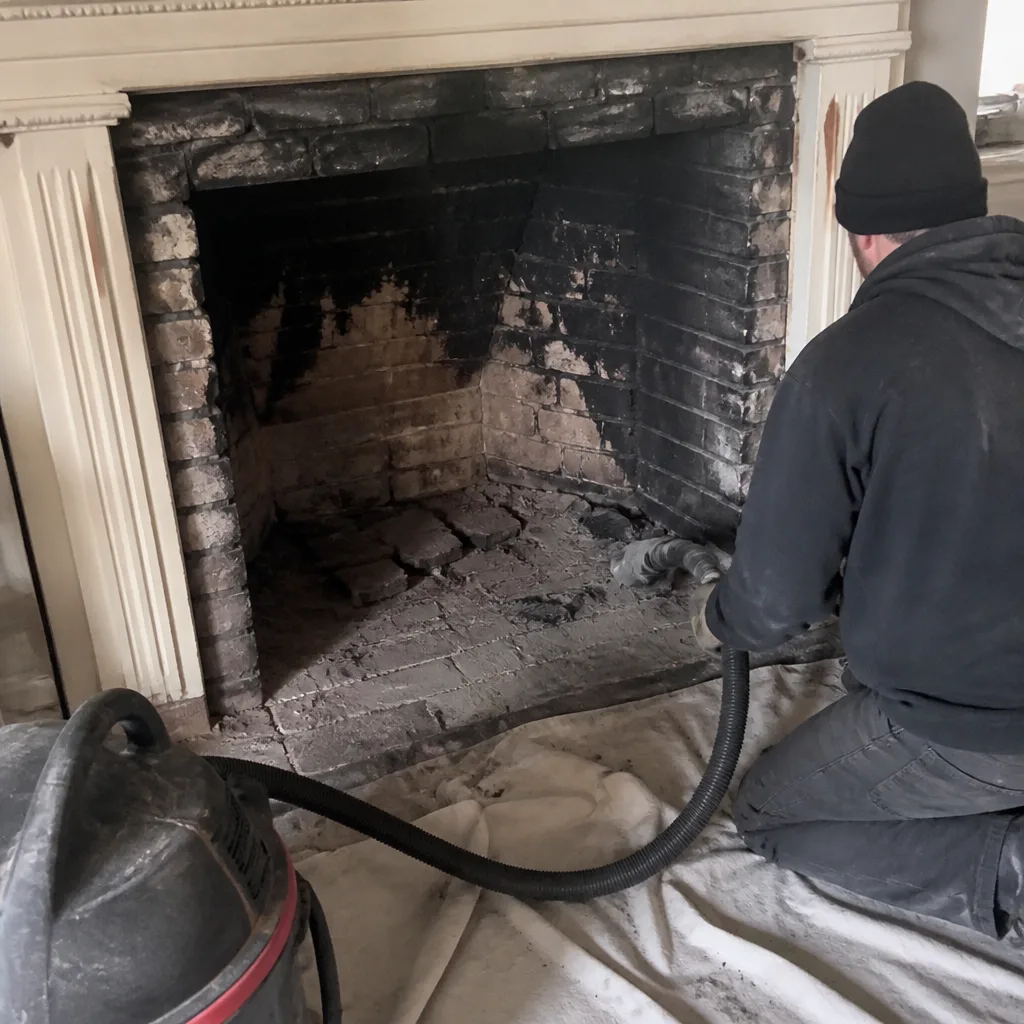 Before
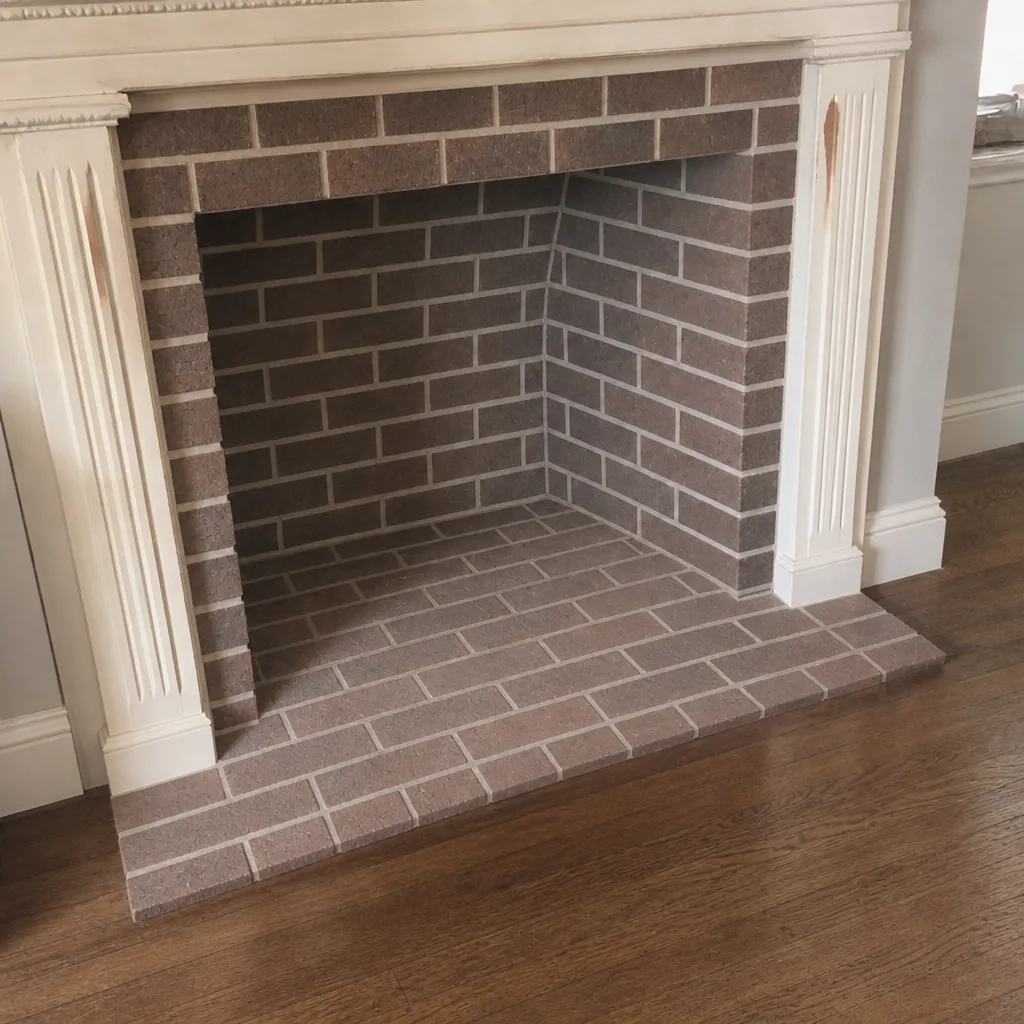 After
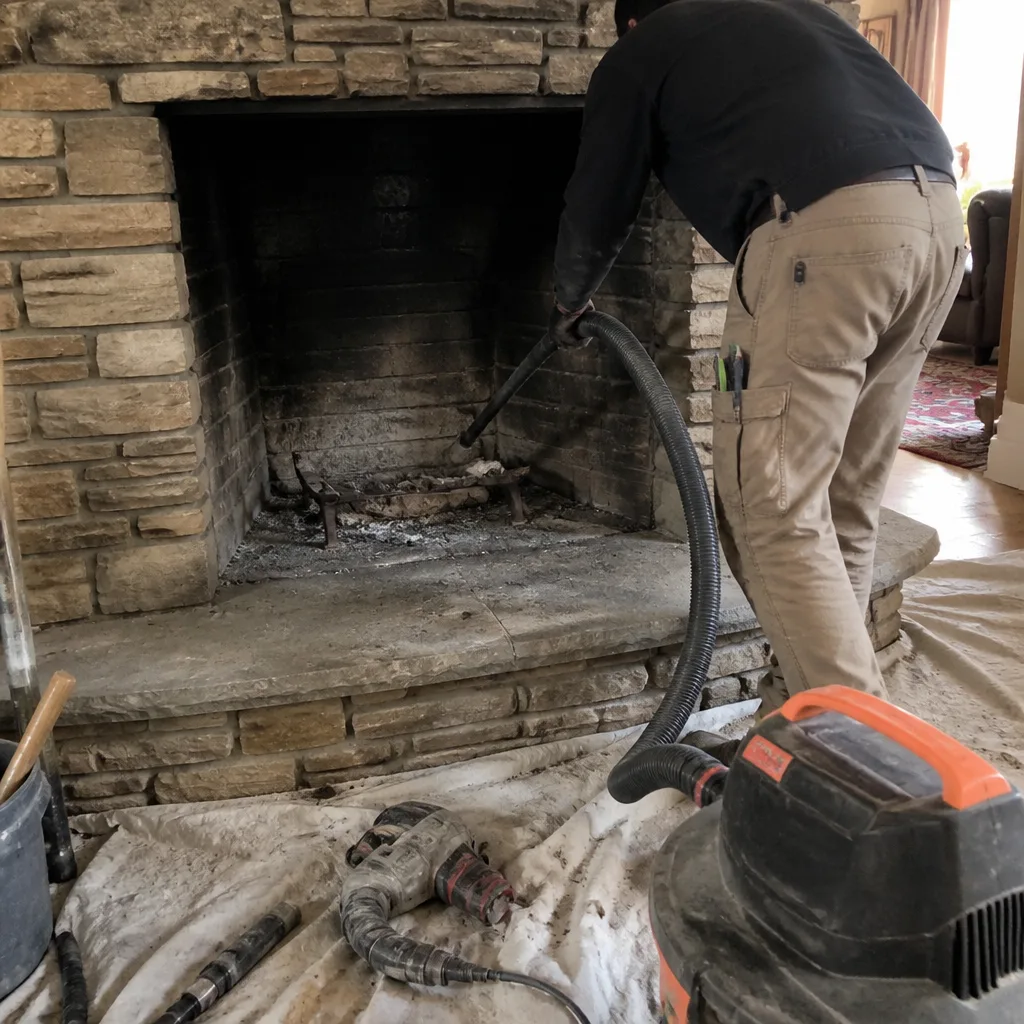 Before
 After
 Before
 After
When to Call a Professional
Call a professional when an inspection finds a cracked flue, a failed crown, a damaged firebox, or any structural repair that crosses the permit line; when you’re buying or selling a home in Holladay and need a Level 2 inspection with camera documentation; when a wood stove or insert is being added and the venting needs to be checked against current code; or when you’re not sure which jurisdiction governs your address and the repair needs to be permitted. A trained professional handles the permit process, the code framework, and the documentation as part of the repair, so you’re not left assembling the record after the fact. Chimney Sweep Holladay offers free estimates in Holladay – call (855) 658-5257. We answer 24/7. Fast dispatch from 7am to 7pm, Sunday through Friday. If you’d like to start with a routine chimney sweep, that’s a fine place to begin.
Frequently Asked Questions
No. Chimney cleaning and sweeping in Holladay are routine maintenance and do not require a permit. Sweeping removes creosote and debris from an existing flue, and it doesn’t alter the structure or lining of the chimney. It’s the repairs that cleaning uncovers – liner replacement, firebox reconstruction, crown replacement – that typically fall under Salt Lake County building codes and may require a permit. Call (855) 658-5257 for an exact quote on the repair – estimates are free.
Usually, yes. A flue liner replacement is a change to the venting assembly and generally falls under building code, so it typically requires a permit from the jurisdiction that governs your address. A new stainless liner, whether rigid or a flexible system like DuraFlex, is structural work that an inspector wants to see. Confirm with your building department, then keep the permit number and the inspection sign-off with your home records. Call (855) 658-5257 for a free estimate on liner work.
Check your parcel on the City of Holladay’s online mapping tool or the Salt Lake County parcel map. Holladay incorporated as its own municipality, so addresses inside city limits generally fall under the City of Holladay building department, while addresses in unincorporated Salt Lake County are typically governed by Salt Lake County building services. Two neighbors on the same street can fall under different jurisdictions. The quickest confirmation is a call to the building department with your address in hand. Call (855) 658-5257 and we can help you sort out which office to contact.
A Level 2 inspection is the deeper NFPA 211 inspection that includes a camera run through the flue and inspection of accessible concealed areas. You need one when a property changes hands, when an appliance or fuel type changes, after a chimney fire, or when there’s a known problem to chase down. For most Holladay homeowners, the Level 2 is the one that produces the camera footage showing whether a flue is sound. Call (855) 658-5257 for an exact quote – estimates are free.
The buyer’s lender may require documentation that the work was permitted and inspected before closing, and the buyer may ask for a credit to cover retroactive permitting or re-inspection. None of that means the chimney is unsafe; it means the record is incomplete and has to be reconstructed. The repair may need to be opened up so an inspector can see it, which is disruptive during a sale. Getting the permit at the time of the repair prevents the problem entirely. Call (855) 658-5257 for a free estimate on getting the paperwork in order.
An annual inspection is the standard recommendation for a wood-burning chimney that sees regular use, and a Level 2 inspection is called for whenever the property changes hands or the appliance changes. Holladay’s cold winters and long heating season mean the chimney works hard for months at a time, which accelerates creosote buildup and stresses the crown through freeze-thaw cycles. A yearly look catches small issues before they become structural repairs that require a permit. Call (855) 658-5257 to book an inspection – estimates are free.
The Bottom Line
Cleaning your chimney in Holladay doesn’t require a permit, but the repairs cleaning uncovers often do. Liner replacement, firebox reconstruction, crown replacement, and structural chimney repair fall under Salt Lake County building codes, and which office issues the permit depends on whether your address sits in Holladay city limits or in unincorporated Salt Lake County. A code-compliant job follows NFPA 211 and IRC Chapter 10, ends with a post-repair inspection, and hands you a folder of documents – permit number, camera report, sign-off – that holds up when the house changes hands. Get the permit when the repair is done, and the record follows the house. Skip it, and the record follows you.
If an inspection has turned up a repair that crosses the permit line, we can walk you through the whole process, from camera evidence to final sign-off. We handle the full system – sweeping, inspection, fireplace repair, chimney repair, and cap and crown work – so nothing gets handed off when the paper trail matters most. Call (855) 658-5257 for a free estimate. We answer 24/7. Fast dispatch from 7am to 7pm, Sunday through Friday.
Written by the team at Chimney Sweep Holladay.