
Last updated November 24, 2026
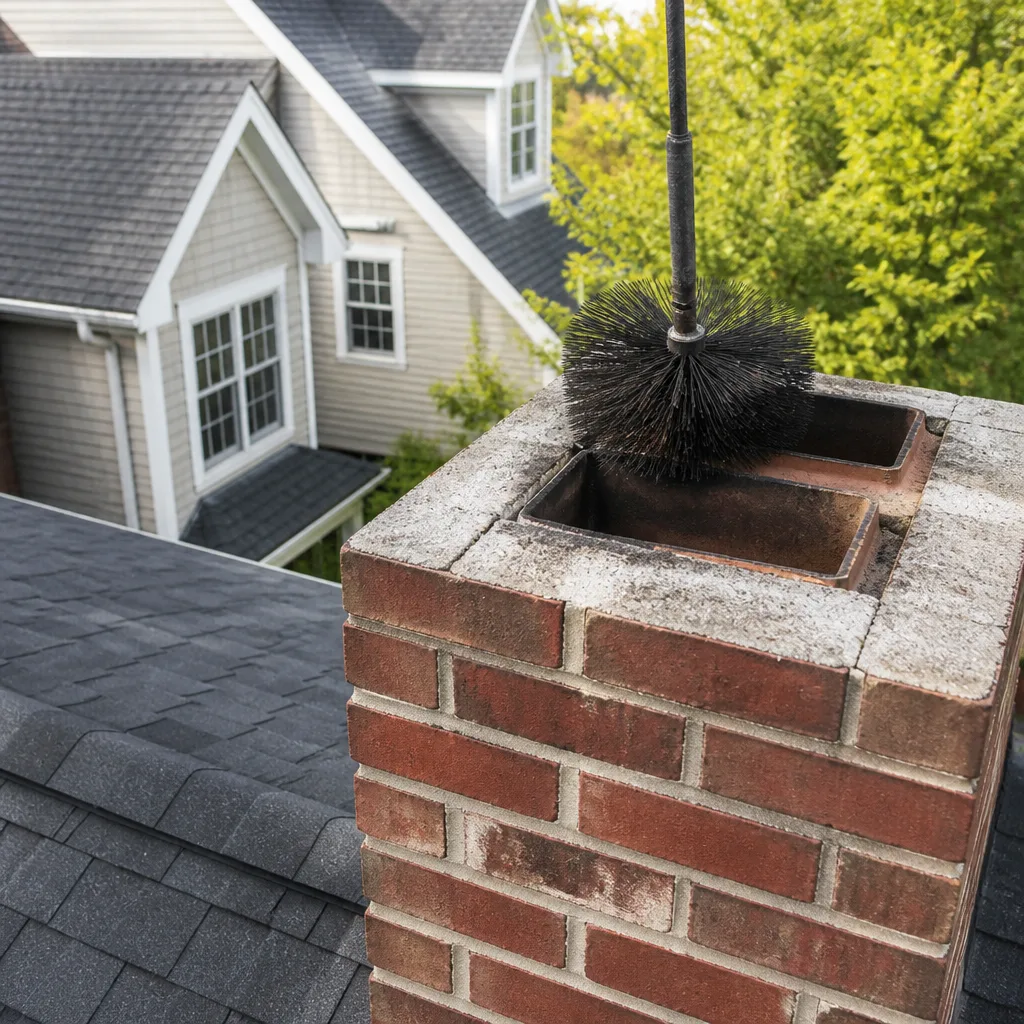 Sweep & inspection
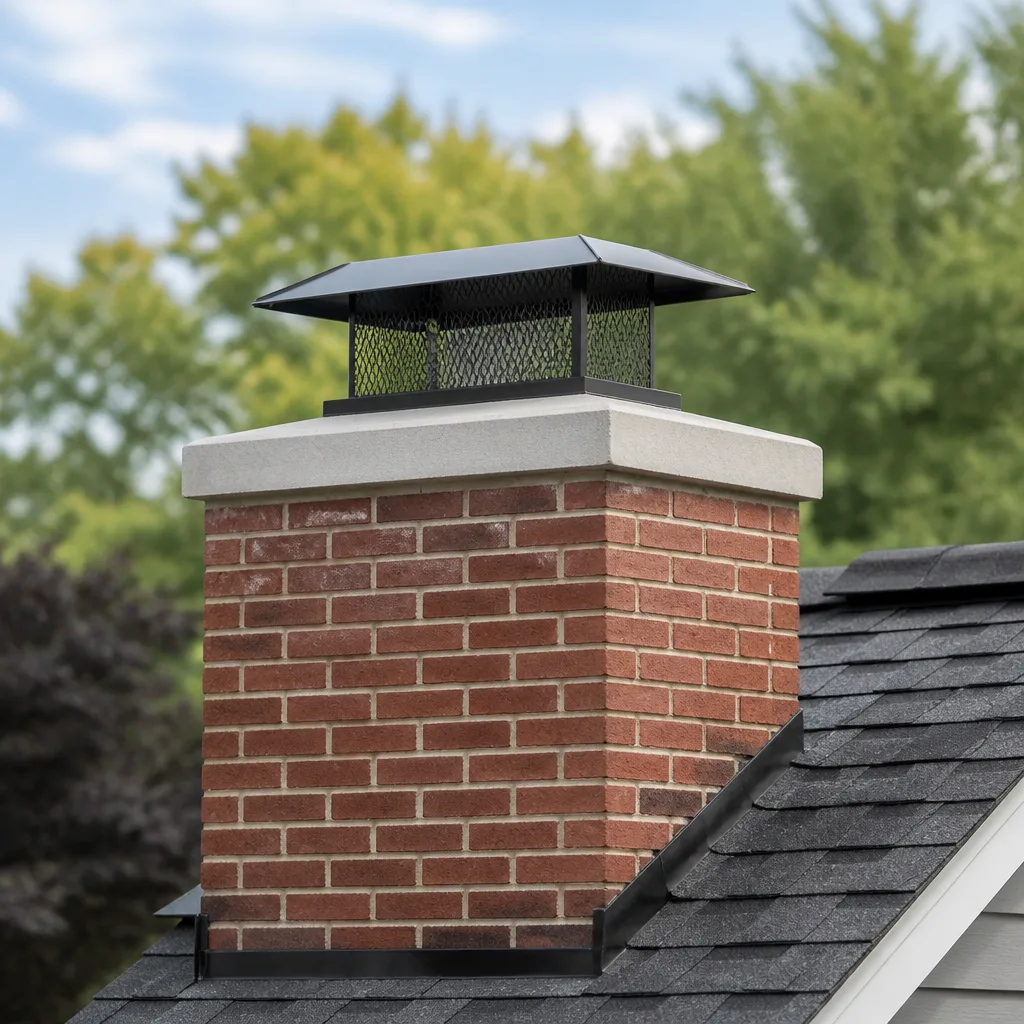 Caps & crowns
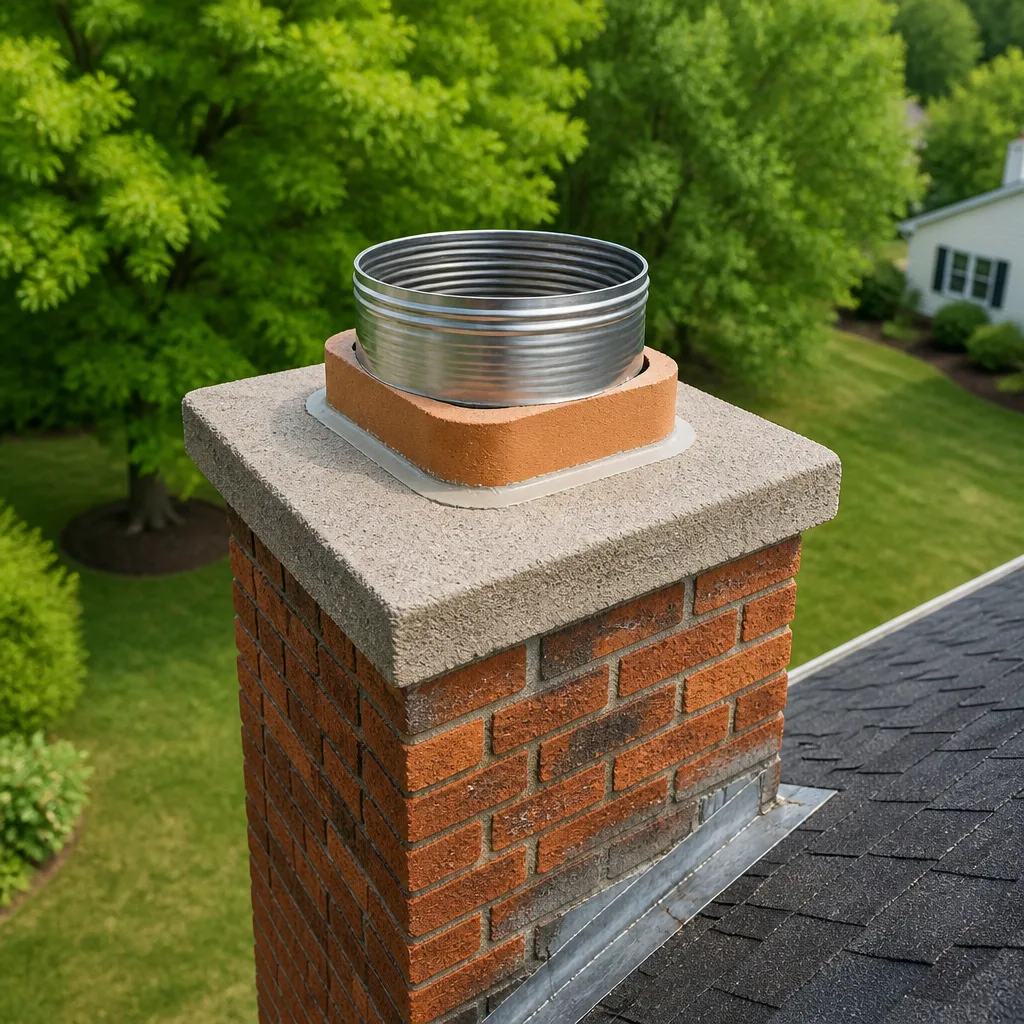 Flue relining
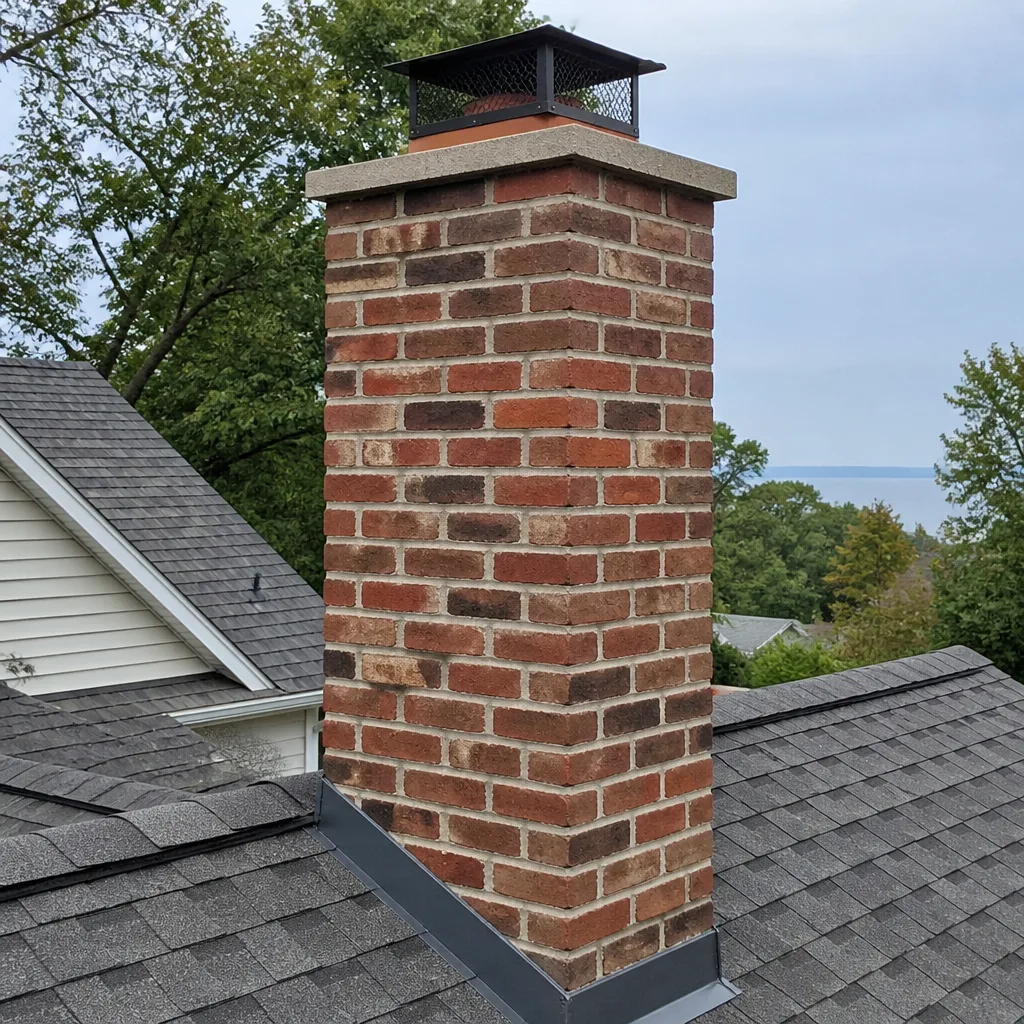 Masonry repair
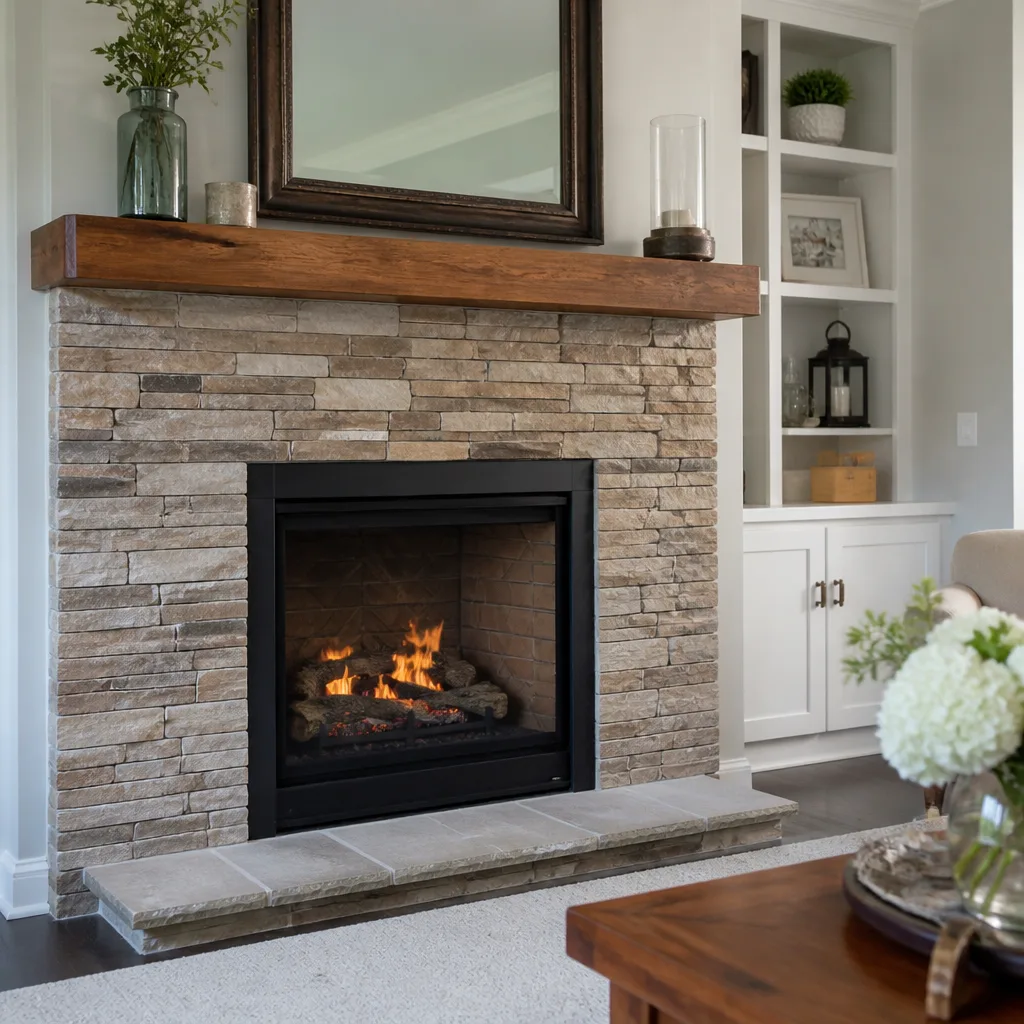 Gas fireplace service
Level 1 sweep and inspection to the NFPA 211 annual standard - flue, crown, cap, and flashing checked and photographed
Chimney sweep logs do not sweep chimneys. They loosen some creosote - which then falls where a brush and vacuum still have to collect it.
The Complete Guide to Chimney Cleaning in Holladay
Most chimney fires in Utah aren’t caused by a dirty flue. They’re caused by a flue that looked clean from the top but had a cracked liner underneath, a gap the sweep never checked because a sweep and a camera inspection are two different things. That distinction is the whole reason this guide exists. A brush knocks creosote off a wall. It doesn’t tell you whether the wall behind that creosote is intact. In Holladay, where wood burning runs hard through long cold months, we’ve watched homeowners get a “clean bill of health” after a sweep that never examined the liner, the smoke chamber, or the crown. So here’s the full map: every component, what each one needs, how elevation and cold air affect what creosote does inside your flue, and what to ask before you pay anyone.
Quick Answer
Chimney cleaning in Holladay means cleaning and inspecting the entire system, not just brushing the flue: the firebox, smoke chamber, flue liner, crown, and cap all get examined, and the flue gets a camera inspection so you can see for yourself what’s inside. A cleaning without an inspection tells you the flue is emptier, not that the chimney is safe. Typical chimney cleaning runs roughly $150 to $300, and any repair beyond cleaning is priced in a written estimate before work begins.
Styles & brands we work with
- Sweep & inspection
- Caps & crowns
- Flue relining
- Masonry repair
- Gas fireplace service
Table of Contents
- What “Chimney Cleaning” Actually Covers in Holladay
- The Five Components of a Chimney and What Each One Needs
- How Holladay’s Elevation and Cold Inversions Change Creosote Buildup
- Level 1, 2, and 3 Inspections: What Each One Means During a Cleaning
- What a Brush and Vacuum Actually Accomplish vs. a Camera Inspection
- What to Verify After a Cleaning Is Done
- What Chimney Cleaning Costs in Holladay
- How Often You Should Schedule Cleaning
What “Chimney Cleaning” Actually Covers in Holladay
A chimney is a system with five connected parts, and cleaning means servicing each one that touches the path of smoke. Water, creosote, and animals attack different parts of that system in different ways, so a sweep that only touches the flue leaves three of them unaddressed. When we clean a chimney in Holladay, we treat it as a full assembly from the firebox up to the cap.
The service breaks into five categories, and most jobs touch at least two of them:
- Sweeping – removing soot and creosote from the flue and firebox so the chimney drafts correctly and the risk of a flue fire drops.
- Inspection – examining the flue interior with a camera, plus the smoke chamber, damper, crown, and cap, and reporting what’s found with photos.
- Fireplace repair – damper work, firebox cracks, masonry joints, and the parts of the firebox that take direct heat.
- Chimney repair – liner restoration or replacement, masonry repair, and correcting the structural problems a sweep can reveal but not fix.
- Cap and crown installation – closing the top of the system against rain, snowmelt, and nesting animals.
That range matters because in Holladay a lot of chimneys sit on homes built decades ago, with original clay tile liners that have had years of heating and cooling cycles. A sweep-only company finds a cracked tile and hands you a phone number. We handle the whole chimney, not just the sweep, so the same company that inspects can repair and reline. Here’s the full picture of what we do on the Chimney Sweep Holladay side of the business, and this guide walks through the system piece by piece.
The Five Components of a Chimney and What Each One Needs
Each part of the chimney fails in its own way, and each gets its own kind of attention during a cleaning and inspection. Skipping any one leaves the rest of the system exposed.
1. The Firebox
The firebox is the box where the fire actually burns. It takes the most direct heat of anything in the system, and the brick and mortar joints inside it crack and spall over time. A cleaning vacuums out ash and soot, but the real value is checking the joints and the back wall for gaps that let heat reach framing. Firebox cracks and damaged dampers are the kind of thing our fireplace repair work handles once we find them.
2. The Smoke Chamber
Sitting just above the damper and tapering up into the flue, the smoke chamber is where smoke slows down and changes direction. Its corbeled shape catches creosote and soot on the ledges, and most of that doesn’t come off with a standard flue brush. A thorough cleaning includes scraping the smoke chamber walls; otherwise a layer builds up that can ignite. This is also where HeatShield resurfacing comes in, smoothing a rough chamber so creosote has less to grab onto.
3. The Flue Liner
The liner is the wall the smoke travels against, and it’s the part a lot of sweeps never actually see. Clay tiles crack with age and heat; a camera inspection shows whether the liner is intact or has gaps that let heat and carbon monoxide reach the structure. We use DuraFlex flexible liner systems to reline chimneys that rigid liners can’t navigate, especially older Holladay homes with offset or angled flues.
4. The Crown
The crown is the concrete or masonry cap at the very top of the chimney that sheds water away from the flue. A cracked crown lets snowmelt and rain run down into the chimney, and water damage is the most common cause of a chimney that needs repair rather than cleaning. Crown repair is part of our chimney repair service, and it’s the cheapest problem to fix early.
5. The Cap
The cap sits on top of the flue opening to keep rain, snow, and animals out, while letting smoke escape. A missing or damaged cap is the most common entry point for birds and squirrels and the most common reason a chimney starts leaking. We install caps from brands like Gelco and Copperfield as part of a complete job, closing the system at the top where most problems start.
How Holladay’s Elevation and Cold Inversions Change Creosote Buildup
Holladay sits high enough above the valley floor that its shoulder seasons run cooler than lower-elevation Utah cities, and that changes how a fire burns. Cooler outdoor temperatures mean a chimney warms up more slowly, and a cold flue is a slow flue. Slow flue gases deposit more creosote on the liner walls than a hot, fast draft would.
Cold inversion days add to it. When a layer of cold air settles over the valley, the outdoor air can be colder than the flue gases trying to rise, and the draft stalls. A stove or fireplace running in that condition smolders more than it burns, and smoldering wood puts down the sticky, glazed creosote that’s the hardest to remove and the most likely to ignite. So a Holladay homeowner burning the same amount of wood as a neighbor at a lower elevation can end up with heavier creosote in the same season.
What that means in practice:
- Homes on the benches, where it runs a little colder and breezier, tend to see faster creosote accumulation.
- Wood that’s damp or unseasoned makes all of this worse, whatever the elevation.
- Smoldering, air-starved fires deposit more creosote than hot, active ones, so how you burn matters as much as what you burn.
- Chimneys that see a lot of shoulder-season evening fires accumulate buildup without ever getting hot enough to burn it off.
None of that is a reason to stop burning wood. It’s a reason to look inside the flue on a schedule that matches the conditions, not just an annual tick on the calendar. Our technicians have up to 12 years of experience working chimneys in Holladay’s climate, and the buildup we find here reflects it.
Level 1, 2, and 3 Inspections: What Each One Means During a Cleaning
The National Fire Protection Association’s standard for chimneys, NFPA 211, defines three inspection levels, and they answer different questions. A cleaning is usually paired with a Level 1 or Level 2 inspection; a Level 3 happens when a problem has to be opened up.
Level 1 inspection is the routine annual check done during a cleaning. It covers readily accessible parts of the chimney, firebox, damper, and cap, without a camera and without opening anything up. It’s what you want when nothing has changed at the house.
Level 2 inspection adds a video camera scan of the entire flue interior, plus checks of accessible areas around the chimney. NFPA 211 calls for a Level 2 when a home changes hands, when a wood stove or insert is newly installed, after a chimney fire, or after an event like a building fire or earthquake that could have damaged the chimney. In a cleaning context, a Level 2 is what actually tells you whether the liner is intact.
Level 3 inspection is the most involved: it opens up concealed areas of the chimney or building when a Level 1 or 2 finds a serious problem that can’t be assessed any other way. It’s rare, and it only happens when the evidence points there.
The practical takeaway: if you’re buying a house in Holladay, adding a wood stove, or you’ve had a chimney fire, insist on the camera. A Level 1 is fine for a routine yearly cleaning on a chimney that’s been checked before, but it won’t catch a cracked liner.
What a Brush and Vacuum Actually Accomplish vs. a Camera Inspection
A brush and vacuum clean the flue; a camera inspection checks what’s left behind. Both matter, and they’re not the same job.
The brush, run down the flue with a vacuum attached to contain the dust, scrapes soot and creosote off the liner walls and clears the smoke shelf and firebox. That’s real, necessary work, and it lowers the risk of a flue fire by removing the fuel. But a brush can’t tell you whether the flue tiles are cracked, whether the liner has shifted, or whether there’s a gap where heat can reach wood framing. It cleans the surface; it doesn’t read the structure.
That’s what the camera does. A video scan of the flue, from the top down and the bottom up, shows every joint, every crack, and every offset in the liner, and it lets us show you exactly what we see. It’s the difference between “your flue is clean” and “your flue is clean and intact.” If a liner is deteriorating but not yet failed, a camera inspection is what catches it in time, and it’s the evidence behind any repair recommendation we make.
After a cleaning, a homeowner should be able to say:
- The flue was swept from the top down, and soot and creosote were removed.
- The smoke chamber and smoke shelf were cleaned, not just the flue.
- The firebox and damper were checked for cracks and function.
- The flue interior was examined with a camera, not just a visual glance from the top.
- The crown and cap were checked for cracks, missing parts, and animal entry.
- Whatever was found came with photos you can see, not just a verbal summary.
If a sweep finishes and can’t show you the inside of the flue, you don’t know what you paid for. Our chimney sweep includes camera inspection and a photo report as part of the job.
Liner Restoration or Replacement: Where Cleaning Turns Into Repair
When the camera finds that the flue liner is rough, pitted, or has minor gaps in the joints but isn’t structurally failed, the answer isn’t always a full tear-out. HeatShield liner restoration resurfaces the inside of the flue with a refractory mortar product, smoothing over the cracks and rough spots and restoring a continuous surface for the smoke to travel on. It addresses the exact problem most sweep-only companies can’t solve: a deteriorating flue interior that doesn’t yet require a full liner replacement.
When the liner is cracked through, shifted, or missing sections, restoration won’t hold. That’s where a new liner comes in, and where the choice of material matters. DuraFlex flexible liner systems let us reline chimneys that rigid systems can’t navigate, including flues with offsets or angles that have to be worked around. The local pro we connect you with is licensed and insured as their state requires, and we work with a curated roster of professional-grade chimney brands including Gelco, Olympia Chimney, Famco, and Copperfield, so the materials are the kind certified chimney professionals use nationwide.
The point of all this: a cleaning that turns up a liner problem shouldn’t mean a second company, a second estimate, and a second set of explanations. We handle the whole chimney from firebox to cap, so one company inspects and repairs, and nothing gets lost in the handoff. Nothing is recommended without camera evidence you can see for yourself, and we’ll tell you plainly when work can safely wait.
What to Verify After a Cleaning Is Done
A cleaning isn’t verified by the receipt; it’s verified by what the sweep can show you. Ask for the evidence before you pay, and don’t accept “it’s all set” as a report.
A complete post-cleaning check should leave you able to confirm each of these:
- Photos or video of the flue interior before and after the sweep, so you see what came out and what’s left.
- A note on the liner’s condition – intact, cracked, or restored – and what it means for the coming season.
- Cap and crown condition, with a clear answer on whether water or animals can get in.
- Damper and firebox function, checked at the firebox itself, not from the roof.
- Draft confirmation, so you know the chimney will pull smoke up and out.
- A written summary of anything found, including what needs repair now and what can wait.
This is also where the “was it swept” question gets the honest answer: a sweep should be able to tell you which components were examined, not just that the flue was brushed. If a cracked liner, a failing crown, or a rough smoke chamber came up in the camera scan, you should have the photos and a clear path forward. That’s the difference between a cleaning and a safety inspection that actually leads somewhere.
What Chimney Cleaning Costs in Holladay
Chimney cleaning in Holladay typically runs about $150 to $300 for a standard sweep with inspection, and any repair work is quoted separately in a written estimate before it starts. The estimate is free, and the written number sets the final price, so nothing gets added after the fact.
| Service | Typical Estimated Range |
|---|---|
| Chimney sweep with inspection | $150 – $300 |
| Camera inspection (Level 2) | Often included with a sweep |
| Crown repair or rebuild | Quoted per job |
| Chimney cap installation | Quoted per job |
| Liner restoration (HeatShield) | Quoted per job |
| Full liner replacement (DuraFlex) | Quoted per job |
A few things move the number within that range. A chimney that hasn’t been cleaned in years, or one with heavy glazed creosote, takes more time. Multi-flue chimneys take longer than a single flue. And a chimney with a rough smoke chamber or a damaged crown needs more than a sweep, which is why we inspect before we quote: the estimate is for your chimney, not a flat price pulled from a chart. We agree on a flat price before we book the appointment, so there are no surprises on the invoice. For the repair side of the estimate, our chimney repair page explains what each fix involves.
How Often You Should Schedule Cleaning
Most chimneys should be cleaned and inspected once a year, and more often if the fireplace gets heavy use. The NFPA 211 standard’s rule of thumb is straightforward: a chimney needs cleaning when there’s a buildup of a quarter-inch or more of creosote on the flue walls. A once-a-year inspection catches that before it becomes a fire hazard.
In Holladay, a few conditions call for looking sooner:
- You burn a lot of wood. Heavy use, especially through inversion season, means faster buildup.
- You burn unseasoned or damp wood. Wet wood smolders and leaves glazed creosote that a brush struggles to remove.
- You’ve added a wood stove or insert. A new appliance changes how the flue drafts and calls for a Level 2 inspection.
- You’ve had a chimney fire. Even a small one can crack a liner, and the damage isn’t visible without a camera.
- You’re buying or selling the house. An inspection is a smart part of the transaction, and many buyers ask for one.
- The chimney has never been cleaned or you don’t know its history. Start with a full inspection and camera scan.
The best time to book is before the burning season, so a problem found in the fall has time to be repaired before winter. But winter cleaning is fine too; creosote doesn’t move, and a flue that’s been burning all season is exactly the one worth checking.
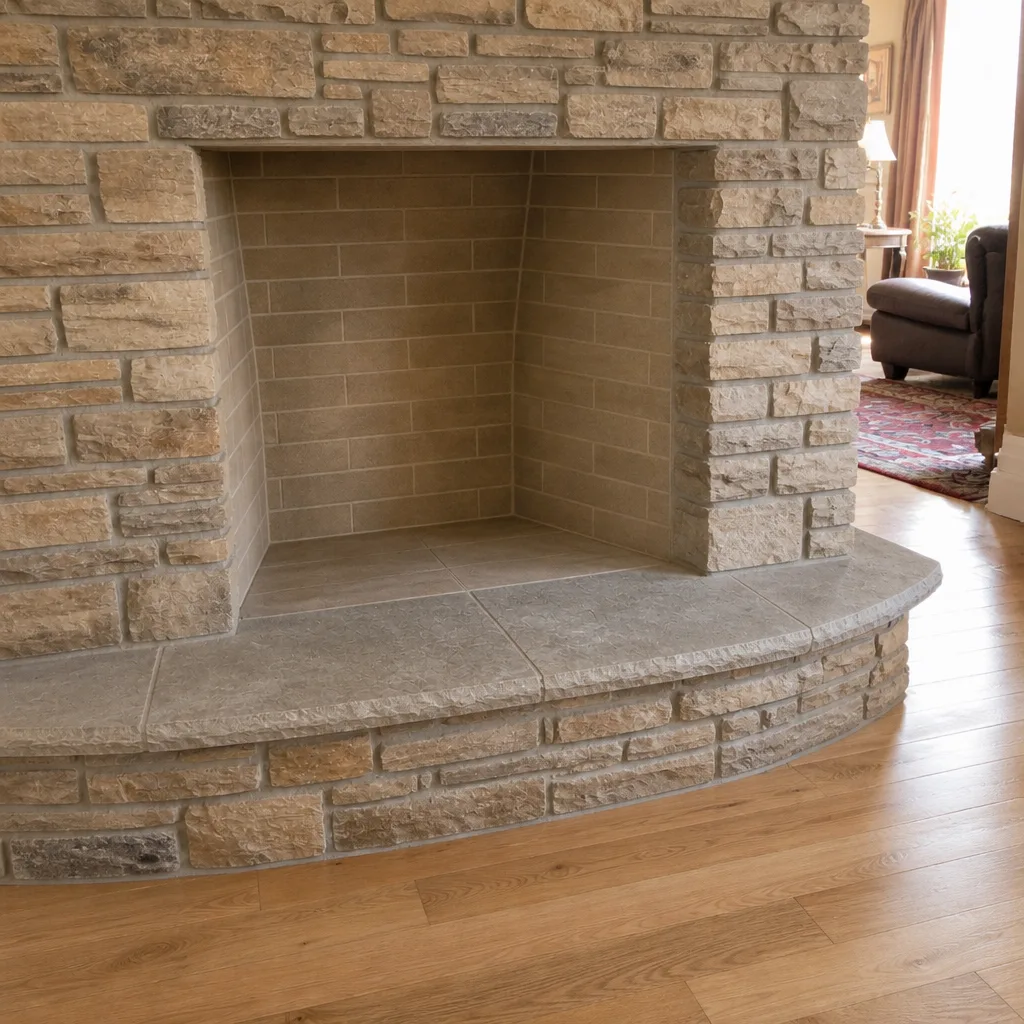
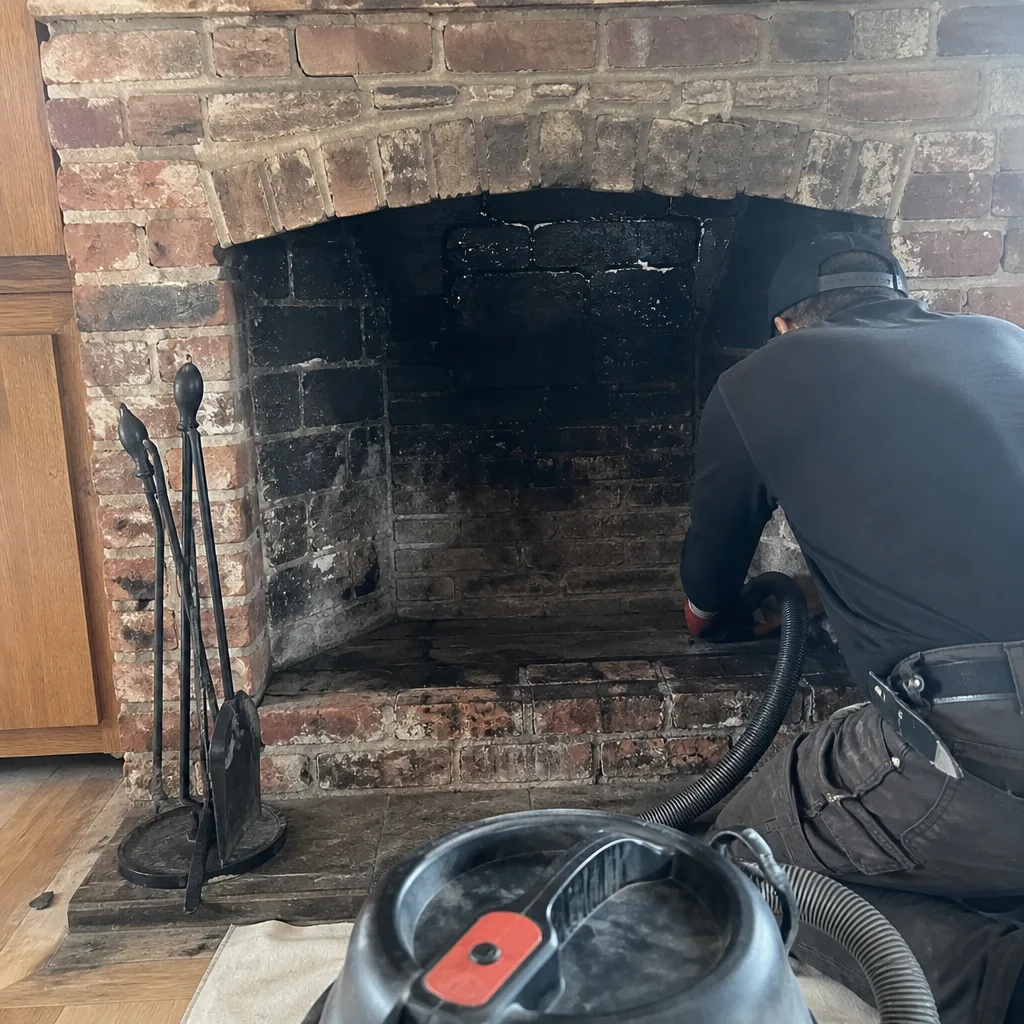
See the difference
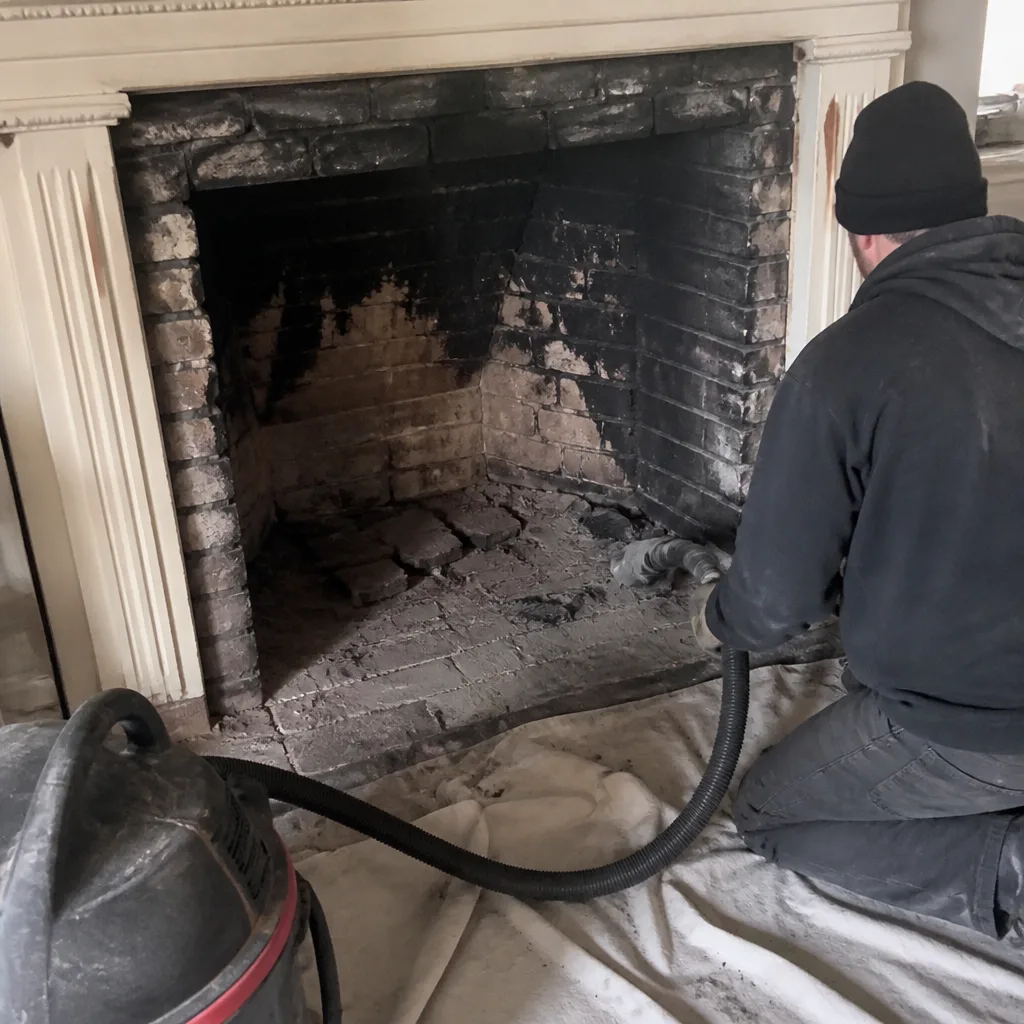 Before
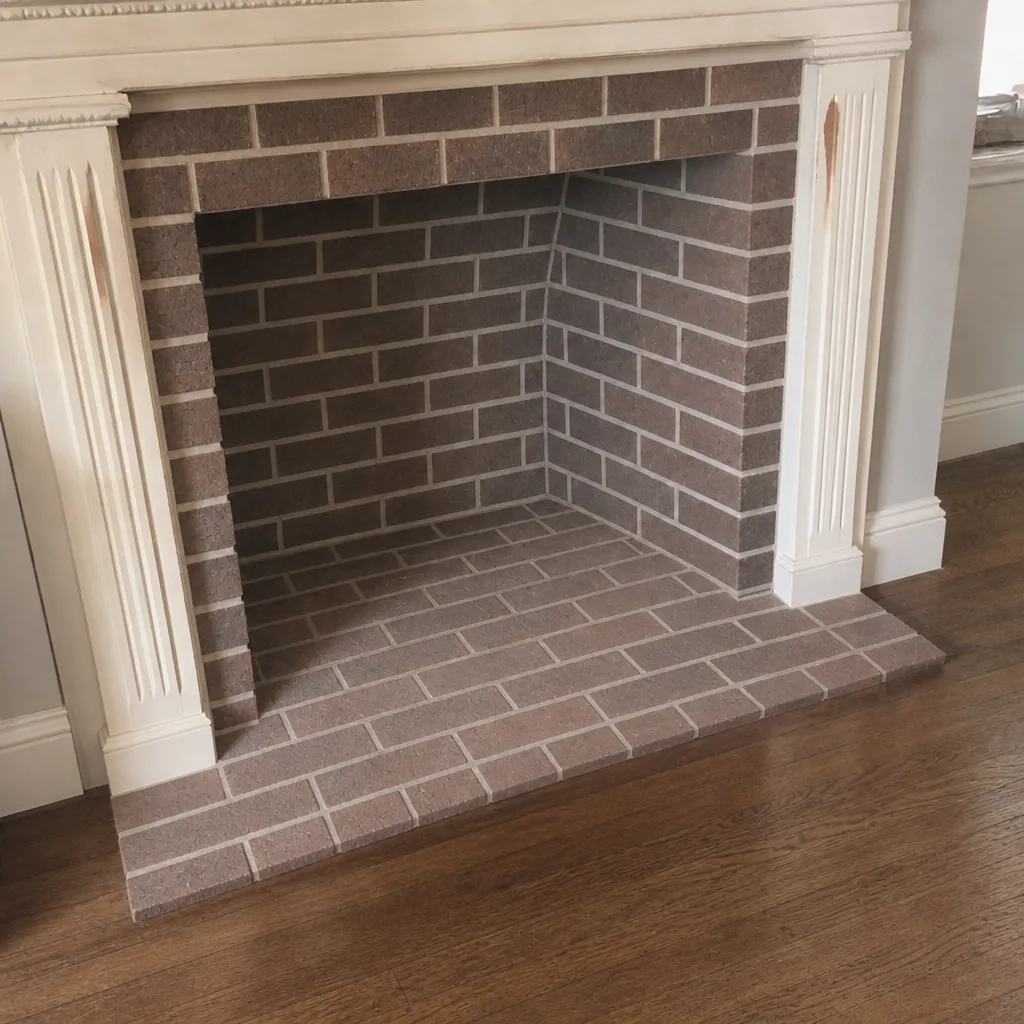 After
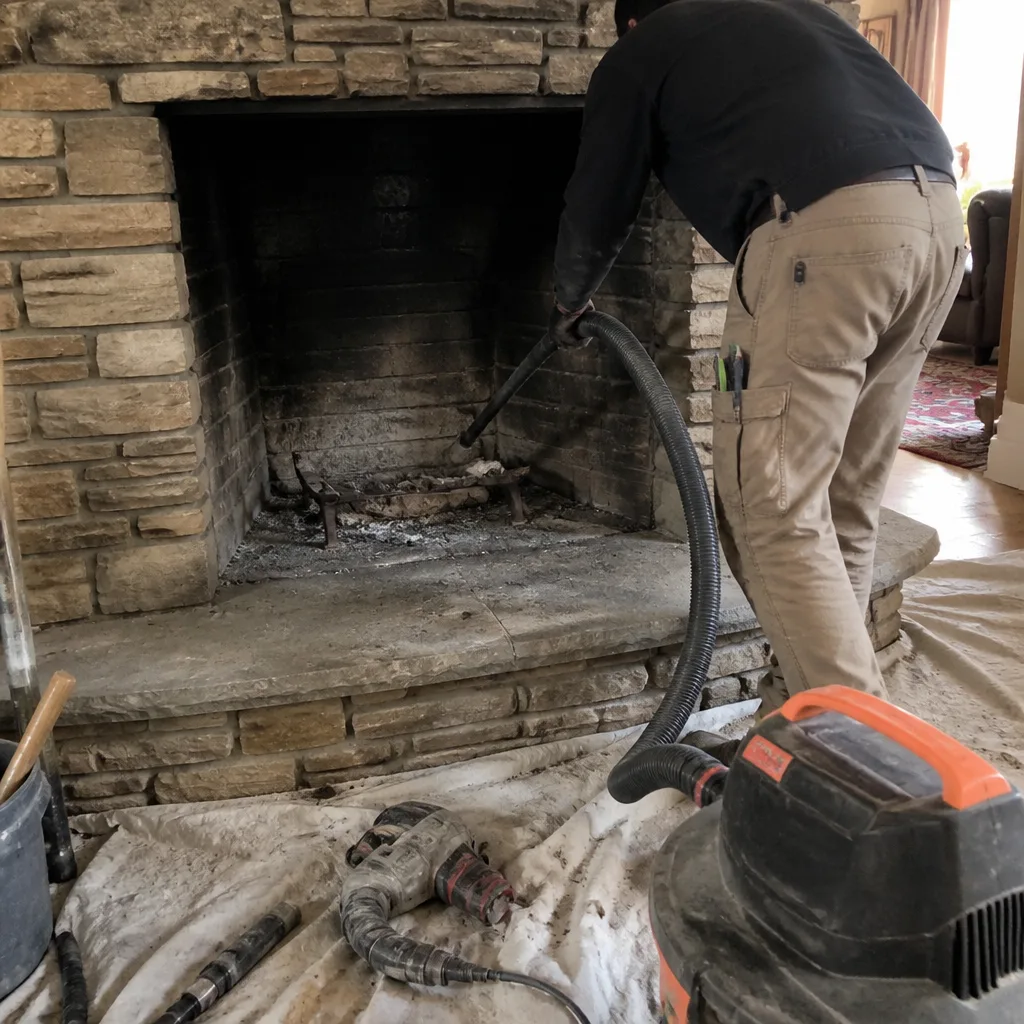 Before
 After
 Before
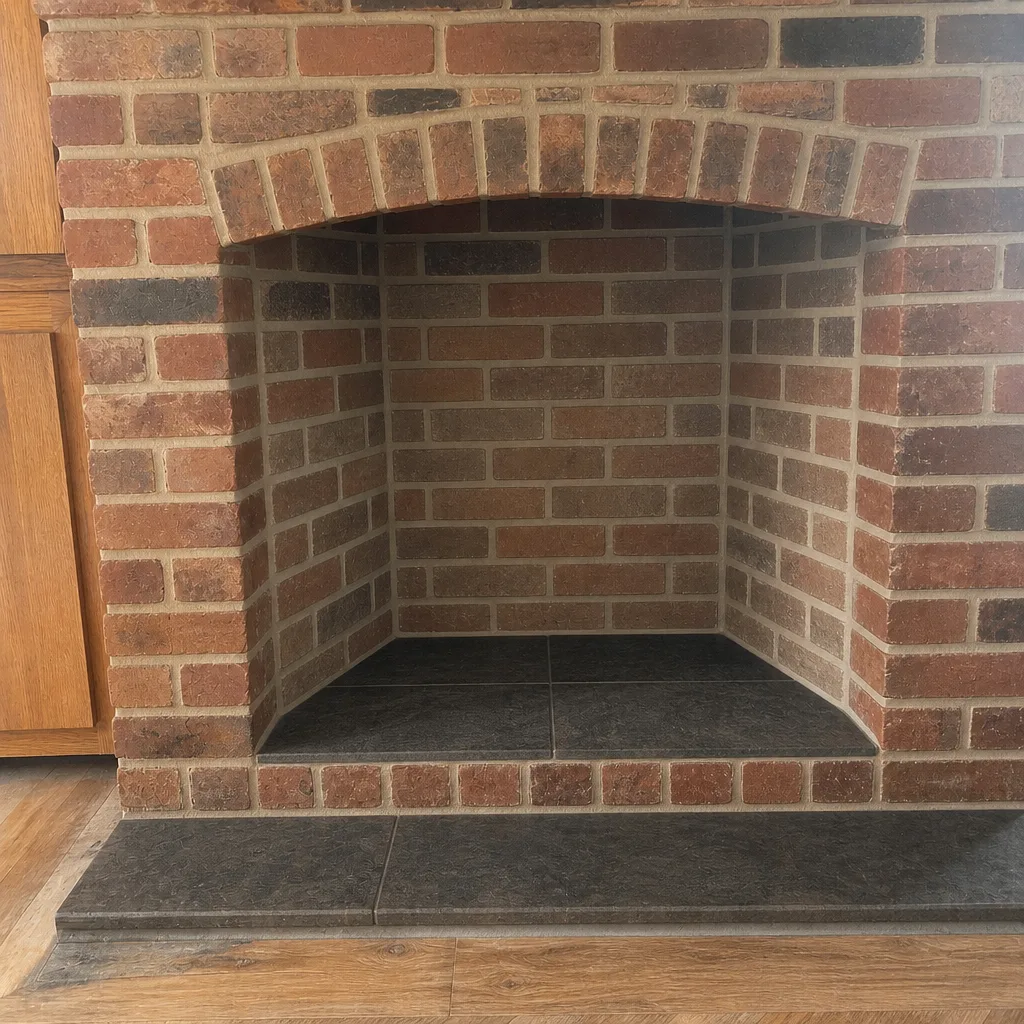 After
Common Mistakes to Avoid
- Treating a sweep as a full inspection. A brush cleans the flue walls; it doesn’t examine the liner. If the sweep never ran a camera, you don’t know whether the liner is cracked.
- Skipping the smoke chamber and crown. These are the two components most often ignored and most often the source of a leak or a fire. Cleaning a flue without checking them leaves the system half-serviced.
- Burning damp or unseasoned wood. In Holladay’s cooler shoulder seasons, wet wood smolders in a slow flue and lays down the glazed creosote that’s hardest to remove. Seasoned wood burns cleaner.
- Ignoring the cap. A missing or damaged cap is the most common way rain, snowmelt, and animals get into a chimney. It’s a cheap fix that prevents expensive water damage.
- Assuming a visually clean flue is a safe flue. A flue can look clean from the top and still have a cracked tile or a shifted liner underneath. Only a camera sees it.
- Hiring a sweep-only company for a repair problem. If the cleaning turns up a cracked liner or a failing crown, you want a company that can fix it, not one that hands you a phone number and leaves.
- Waiting for a problem to announce itself. Chimney failures rarely give warning. A yearly inspection catches the small stuff before it gets expensive.
When to Call a Professional
Call a professional when the fireplace hasn’t been cleaned in over a year, when you’ve just bought a Holladay home with a wood-burning fireplace, or when you’ve added a stove or insert. Call if you’ve had a chimney fire, even a small one, since the liner may be cracked in ways you can’t see. Call if you notice smoke backing into the room, a strong creosote smell, water staining on the ceiling near the chimney, or animals getting in. And call if a home inspector flagged the chimney; that’s exactly the kind of finding that needs a camera inspection to sort out. Chimney Sweep Holladay offers free estimates in Holladay. Call (855) 658-5257. We answer 24/7. Fast dispatch from 7am to 7pm, Sunday through Friday.
Frequently Asked Questions
Chimney cleaning in Holladay typically runs about $150 to $300 for a standard sweep with inspection, and repairs are quoted separately in a written estimate before work begins. The estimate is free, and the written price sets the final cost. Call (855) 658-5257 for an exact quote; estimates are free.
Most chimneys should be swept and inspected once a year, and more often with heavy use or damp wood. The NFPA 211 rule of thumb is to clean when creosote buildup reaches a quarter-inch on the flue walls. In Holladay’s cooler shoulder seasons, buildup can happen faster, so don’t stretch the yearly check. Call (855) 658-5257 to get on the schedule.
Skipping a cleaning lets creosote build on the flue walls, and creosote is flammable, so a heavy buildup raises the risk of a chimney fire. A blocked or damaged flue can also let smoke and carbon monoxide back into the house. The yearly check catches both before they become a problem. Call (855) 658-5257 for an inspection; estimates are free.
Not always. If the camera inspection shows a rough but intact flue interior, HeatShield resurfacing can restore it without a full replacement. A cracked or shifted liner does need replacement, and DuraFlex flexible systems handle flues that rigid liners can’t. Nothing is recommended without camera evidence you can see yourself. Call (855) 658-5257 and we’ll show you what’s there.
A good cleaning includes at least a Level 1 inspection, and in Holladay a Level 2 with a camera scan is the right call when the chimney’s history is unknown. The camera is what tells you whether the liner is intact. Ask for the photos before you pay. Call (855) 658-5257 to book a sweep with inspection.
Holladay’s elevation and cold inversion days mean slower drafts and cooler flues, and a slow flue deposits more creosote than a hot, fast one. Smoldering fires in cooler weather leave the glazed buildup that’s hardest to remove. Our technicians have up to 12 years of experience with exactly this climate. Call (855) 658-5257 for an estimate.
The Bottom Line
Chimney cleaning in Holladay is a system job, not a single brush stroke. The firebox, smoke chamber, liner, crown, and cap each fail in their own way, and a cleaning that skips any of them leaves the house exposed to the fire and carbon monoxide risks the rest of the system was meant to prevent. A brush cleans the flue; a camera inspection tells you whether it’s safe. If the sweep can’t show you the inside of the flue, you haven’t had a real inspection. Our technicians have up to 12 years of experience, we handle the whole chimney from firebox to cap, and we won’t recommend work without evidence you can see. Call us for a free estimate when you’re ready.
Chimney Sweep Holladay offers free estimates in Holladay. Call (855) 658-5257. We answer 24/7. Fast dispatch from 7am to 7pm, Sunday through Friday.
Written by the team at Chimney Sweep Holladay.