
Last updated November 24, 2026
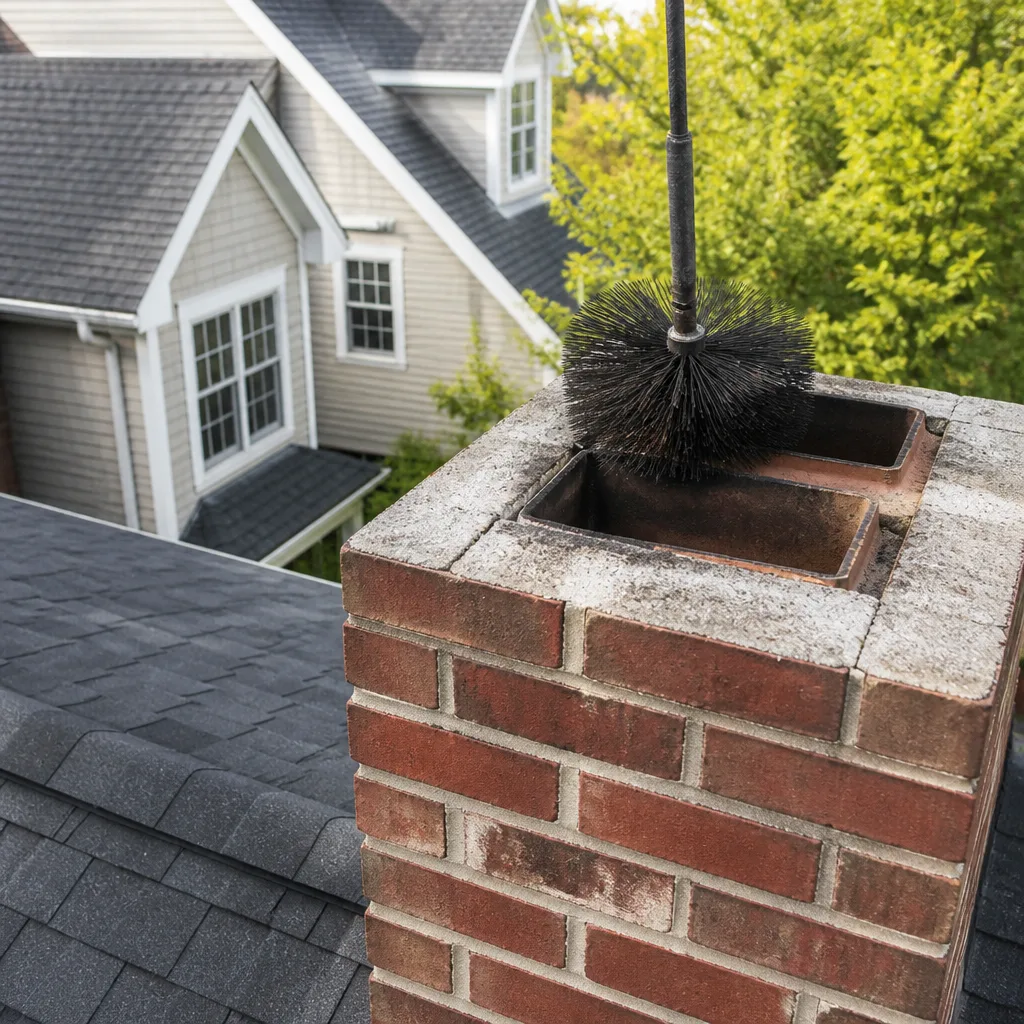 Sweep & inspection
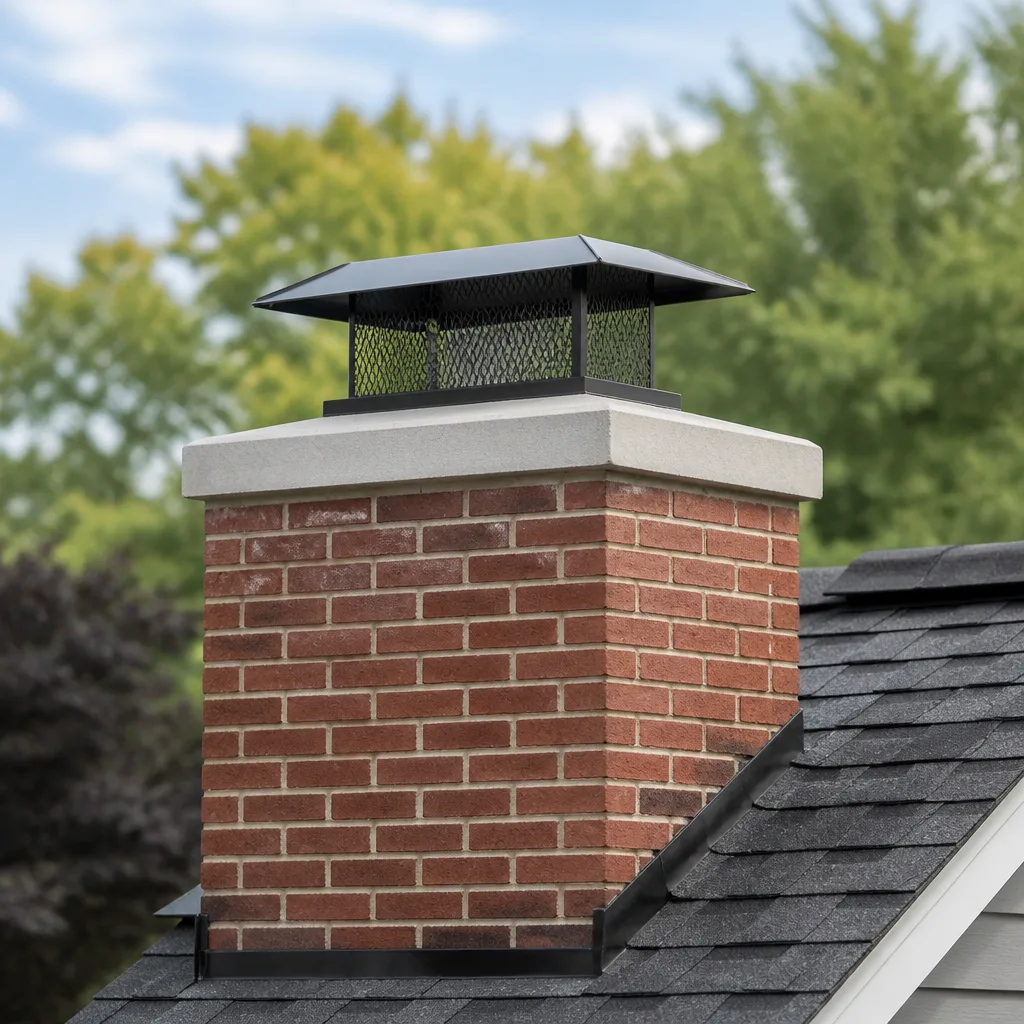 Caps & crowns
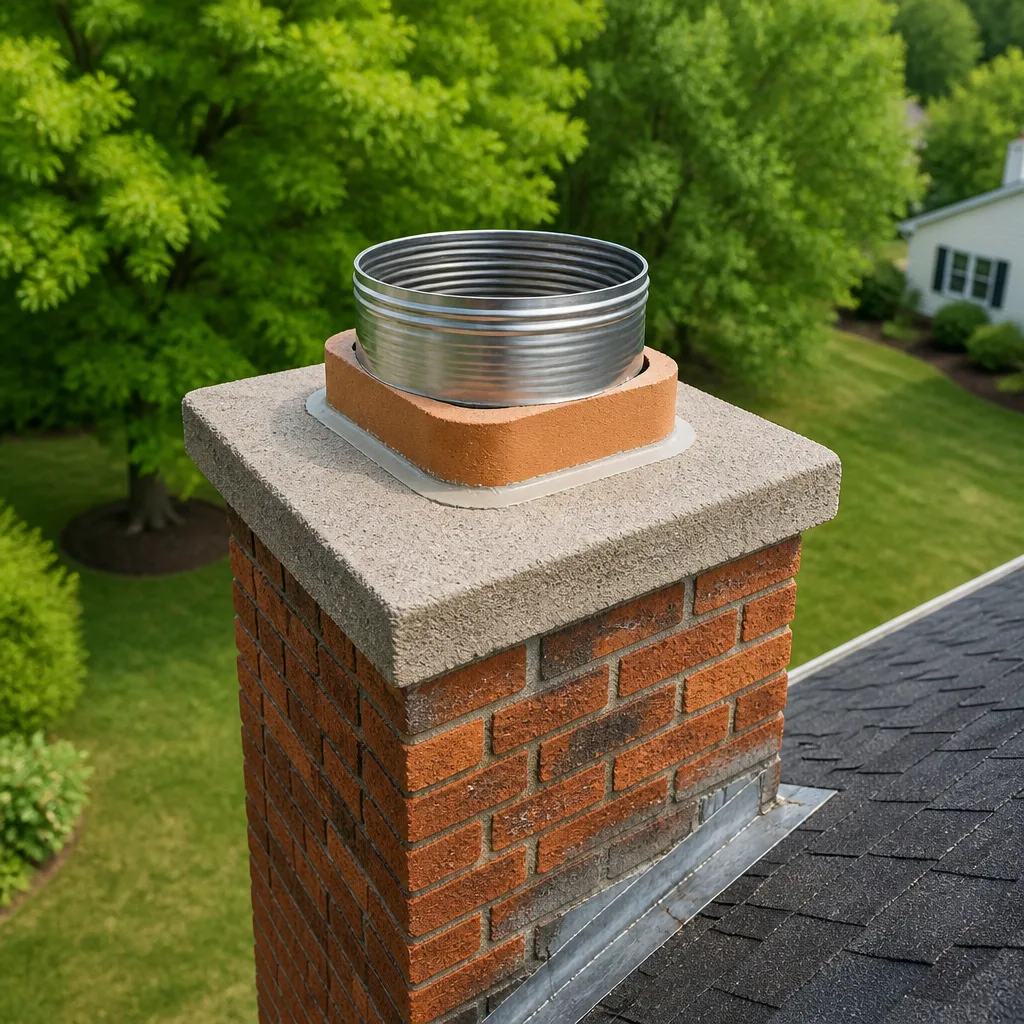 Flue relining
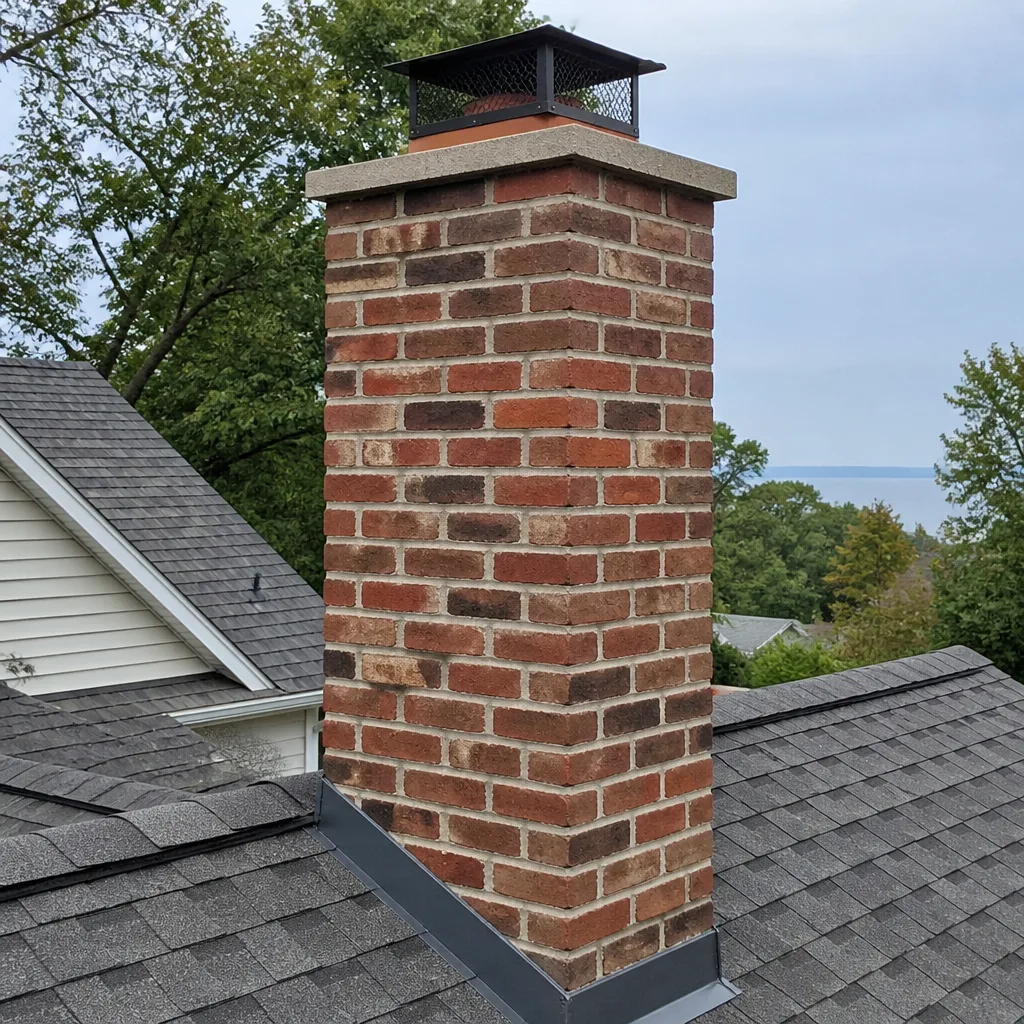 Masonry repair
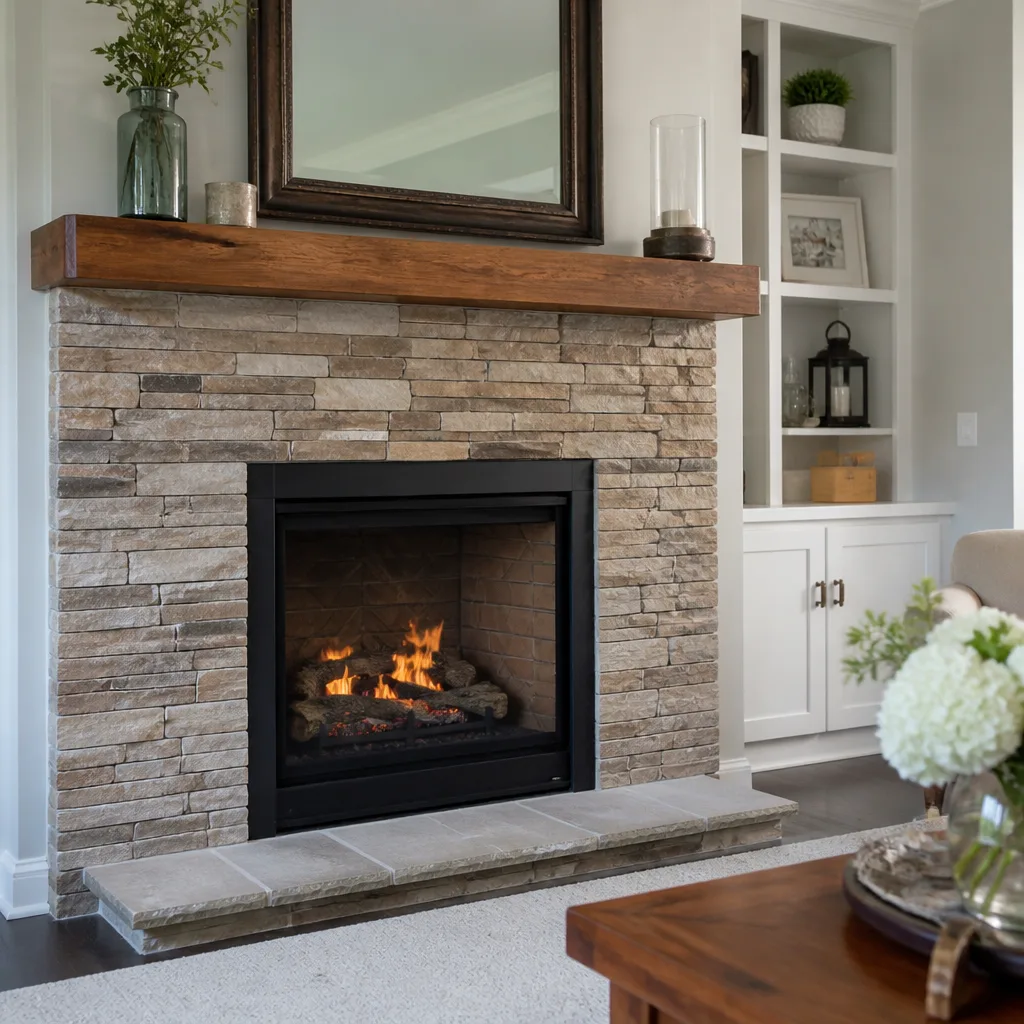 Gas fireplace service
Level 1 sweep and inspection to the NFPA 211 annual standard - flue, crown, cap, and flashing checked and photographed
Chimney sweep logs do not sweep chimneys. They loosen some creosote - which then falls where a brush and vacuum still have to collect it.
Chimney Cleaning Warning Signs: A Holladay Homeowner’s Reference Guide
Most chimney failures in Holladay don’t announce themselves with smoke rolling out of the firebox or a loud crack in the night. They show up quiet. A faint smoke smell in a room with no fire. A hairline stain on the ceiling that reappears a week after you paint over it. A chalky white patch on the outside of the stack that looks like it could be scrubbed off. That white stain isn’t cosmetic. It’s efflorescence, and it means water is moving through your masonry right now, with the damage already underway on the inside of the flue. This guide walks through the warning signs that actually matter, sorted by where they appear, so you can tell which ones mean “watch it” and which ones mean “stop burning today.”
Quick Answer
The warning signs that most often signal a real chimney problem in Holladay are: white efflorescence or crumbling mortar on the exterior, a smoke smell that lingers when there’s no fire, dark glazed deposits inside the flue, headaches or unusual fatigue when the fireplace is in use, and stains or rust streaks on the ceiling and walls near the chimney. Glazed, tar-like creosote, a cracked flue tile, or any carbon monoxide symptom means stop using the fireplace until it’s inspected. Soft signs like minor soot dusting or a slightly smoky startup are worth noting but rarely urgent. An inspection with a camera settles which is which.
Styles & brands we work with
- Sweep & inspection
- Caps & crowns
- Flue relining
- Masonry repair
- Gas fireplace service
Table of Contents
- 1. Exterior Masonry Warning Signs
- 2. Interior Firebox Warning Signs
- 3. Flue Behavior and Creosote Stages
- 4. Ceiling and Wall Signs Near the Chimney
- 5. Carbon Monoxide Indicators Most People Attribute to Something Else
- 6. What Holladay’s Older Housing Stock Tells Us
- 7. Watch-and-Monitor vs. Stop-Using-Immediately
- 8. What an Inspection Actually Involves
Exterior Masonry Warning Signs
The outside of your chimney is doing two jobs: moving smoke up and out, and keeping weather from getting in. The first cracks, the second follows. What makes exterior signs so useful is that they’re visible from the ground, before anything goes wrong inside. Start by walking the yard and looking at the stack from a few angles.
Here’s what to look for, from the top down:
- Efflorescence: a white, chalky, powdery residue on the brick or mortar. It’s salt pushed out by water moving through the masonry. If you can brush it off and it comes back, water is still getting in.
- Spalling: brick faces that flake, peel or pop off. Once the face is gone, the soft interior of the brick is exposed to every freeze.
- Crumbling or recessed mortar joints: joints that look eroded or that you can dig into with a key. That’s a sign the mortar has lost its binder.
- Tilt or lean: a stack that was plumb last year and isn’t this year. That’s a structural matter, not a maintenance one.
- Cracked or missing crown: the crown is the sloped concrete cap on top of the stack. If it has a visible crack, is separating from the flue tile, or has eroded so rain pools on it rather than running off, water is finding its way down behind the flue liner.
- No cap or a rusted-out cap: a missing cap is an open invitation for rain, snowmelt, birds and squirrels. Rust streaks running down from the cap mean it’s nearing the end of its life.
Holladay sits at the base of the Wasatch, and that elevation brings a hard freeze-thaw cycle from late fall through early spring. Water that gets into a small crack during a warm afternoon expands when the temperature drops that night, widening the crack a little more. Repeat that a few dozen times over a winter and a hairline crack becomes a deteriorated crown. That’s why exterior signs deserve your attention early. Damage on the outside is cheap to fix compared with what it does inside.
Interior Firebox Warning Signs
The firebox is the brick or stone chamber where the fire actually burns, and it takes more heat than any other part of the system. Cracks here matter because the firebox is a fire containment structure first and a pretty one second. Look at it with a flashlight and a mirror before you light the first fire of the season.
What to look for:
- Cracks in the firebrick or mortar joints: vertical or horizontal cracks that are wide enough to catch a fingernail are worth an inspection. Cracks that go all the way through the firebox wall are a stop-using sign.
- Crumbling firebrick: brick that’s soft or falls away when you brush it with a gloved hand.
- Missing or damaged mortar: joints that have receded significantly or that powder off when touched.
- A warped or buckled damper: a damper that won’t open smoothly, sits crooked, or is visibly warped may not be sealing correctly, and a damper that won’t close means you’re heating the outside of your house in winter and letting cold air in when the fire’s out.
- Rust on or around the firebox: rust streaks or powdery deposits inside the firebox or on the grate can point to water coming down the flue from above.
- Discoloration on the wall above the fireplace: a dark, heat-related stain on the masonry just above the firebox can mean heat is escaping where it shouldn’t.
If the firebox needs work, it’s the kind of job where a single company handling the repair matters. We do fireplace repair as one of our core services specifically because a lot of firebox problems come with a companion problem further up the flue. Getting the brickwork fixed and the liner checked at the same time saves a lot of guesswork. Our technicians have up to 12 years of experience reading fireboxes, so they know what’s normal wear and what’s a structural concern.
Flue Behavior and Creosote Stages
What you see inside the flue is the single most useful indicator of how much cleaning is really needed. Soot is mostly cosmetic. Creosote is what you’re watching for, and it builds in recognizable stages. Knowing the difference tells you whether a standard sweep is enough or whether the flue needs more than that.
Creosote develops in three stages:
- First degree: a light, flaky, dusty deposit. The kind that brushes off easily. This is what a standard sweep removes, and it’s what you want to see.
- Second degree: a flaky, crunchy crust that’s thicker and harder to scrape. Sweepable with the right tools, but it means your burn habits or your wood are producing more creosote than they should.
- Third degree: glazed, tar-like, hard and shiny. This is the dangerous one. It looks like dark glass or cooled asphalt coating the flue wall. Third-degree creosote ignites at a much lower temperature than first-degree deposits, which is why it raises the risk of a chimney fire. A standard sweep brush can’t take it off; it needs chemical removal or a more aggressive mechanical approach.
If you shined a flashlight up the flue and saw a shiny, tar-black, glassy surface instead of a rough sooty one, stop burning and get it inspected. If you saw a rough, grayish, flaky coating, that’s a normal accumulation and a sweep will take care of it.
Flue behavior also tells you things. A fire that smokes back into the room, a draft that’s noticeably weaker than last season, or smoke that rolls out of the firebox when you open the door are all signs the flue is either partially blocked or no longer venting correctly. A bird nest, a partially collapsed flue tile, or a former lining that’s crumpled can all do this. The only way to know is to look with a camera.
Ceiling and Wall Signs Near the Chimney
This one is easy to overlook because it’s often in a room you don’t use much, or in a closet, or on a section of wall behind a piece of furniture. Water that gets into a chimney has to go somewhere, and it usually shows up on the nearest ceiling or wall surface before you see it in the chimney itself.
Look for these signs:
- Water stains: brown, yellowish, or grayish rings or patches on ceiling drywall within a few feet of the chimney chase.
- Recurring stains: a stain you painted over that comes back with the next rain or snowmelt.
- Rust streaks: on drywall, on the flue pipe itself if it’s exposed, or on the metal chimney chase cover.
- Peeling paint or bubbling: on the wall near the ceiling, where the chimney passes through the ceiling structure.
- Musty smell in the room with the fireplace: especially after rain. Water in the chimney chase is one of the common causes.
- Visible gaps around the chimney where it passes through the ceiling: if you can see daylight, water has a direct path in.
A stain that reappears is telling you water is still actively entering. That’s not a cosmetic repair. The source is almost always above: a failed crown, an open flue, a missing cap, or flashing that’s separated from the roof where the chimney meets it. A chimney sweep is the first step, but if the problem is structural, it needs chimney repair, and it needs a company that handles both. We install caps and crowns in-house. We work with HeatShield to resurface a deteriorating flue interior when the liner is compromised but doesn’t need full replacement. If a full reline is needed for a flue with an offset or a complex path, we use DuraFlex flexible liner systems, which handle configurations a rigid liner can’t navigate. When you’re looking at a water stain, being able to get the leak stopped, the cap replaced, and the liner addressed through one company means you’re not hunting for three different people.
Carbon Monoxide Indicators Most People Attribute to Something Else
This is the category of warning sign that gets misread the most. Carbon monoxide from a chimney is almost never dramatic. It doesn’t smell like anything, it doesn’t announce itself with a visible leak, and it doesn’t make you cough. It makes you tired. It gives you a headache. It leaves you feeling foggy in a way you blame on a long week, the altitude, or the dry air.
Pay attention if you notice:
- Headaches that come on when the fireplace is burning and ease when it’s out. This pattern is the tell. If the headache tends to show up in the same room, at the same time, with the fire on, it deserves attention.
- Unusual fatigue or drowsiness in the hours after using the fireplace. Not the normal cozy tiredness of an evening by the fire, but a heavy, foggy fatigue that seems out of proportion.
- Nausea or dizziness with the fire in use that improves when you leave the room or turn off the fireplace.
- Multiple people in the house reporting the same symptoms when the fireplace is in use. If it’s the fire, everyone in the room feels it.
- Pets acting lethargic or unwell near the fireplace. Pets are often the first to show symptoms because they’re lower to the ground and spend more time in one place.
- A CO alarm going off near the fireplace or in the same room. This is immediate. Get everyone out of the house, ventilate, and don’t relight until an inspection.
These symptoms are also explained by plenty of other things, which is exactly why they’re easy to dismiss. The way to tell is the pattern: symptoms track with fire use and improve when the fire is off. If you notice that correlation, treat it as a chimney signal. Common causes include a blocked flue, a cracked heat exchanger in a related appliance venting into a shared chase, or a flue that’s become disconnected somewhere in the run. A camera inspection will show the flue’s actual condition and whether the path from the firebox to the cap is intact. If the inspection finds a compromised flue, we can restore or reline it, and we’ll show you the camera footage of what we found so you can see it yourself.
What Holladay’s Older Housing Stock Tells Us
A lot of homes in the Holladay area were built between roughly the 1960s and the 1980s. The building styles from those decades are recognizable, and so is the chimney construction that came with them. Most of those chimneys were built with clay tile flue liners, which were the standard for the era. They work fine for a long time, but they deteriorate in a few predictable patterns, and those patterns are what make the warning signs in this guide so worth knowing in Holladay specifically.
What clay tile liners tend to do:
- Separate at the joints. The tiles were stacked with a thin layer of mortar between sections. Over decades of heat cycles, that mortar cracks and the tiles shift slightly. Gaps at the joints are where creosote hides and where carbon monoxide can leak into the chimney chase.
- Crack vertically. A single thermal event, like a chimney fire from a heavy creosote load, can crack tiles along their length. Once cracked, they don’t reseal.
- Spall from the inside out. The interior face of a clay tile can flake and pit as combustion byproducts and moisture work on it. When the flaking gets severe, the tile can no longer be trusted to contain the flue gases.
- Show freeze damage at the top. The portion of the liner that extends above the crown experiences the most direct weather. That’s where the worst tile damage usually shows up first.
Clay tile liners that are still intact and correctly sized don’t need to be replaced. But if the tiles are cracked or separated, the flue is no longer doing its job as a containment structure. That’s where HeatShield comes in: it’s a resurfacing application that coats the inside of a clay flue and seals the cracks and gaps without tearing out the original tiles. For a flue in that middle zone, where the tiles are compromised but the chimney structure is sound, resurfacing is often a good fit. For a flue with more severe damage or an offset, DuraFlex flexible liner systems let us reline it without opening up the chimney structure.
Older Holladay homes also often have a wood-burning stove or insert that was installed by a previous owner, sometimes without a permit and sometimes with a flue connection that was never quite right. If your home dates to this era and you don’t have clear documentation of a recent inspection, that’s a reason to have one done before the burning season starts. The chimney may well be fine. The point is knowing.
Watch-and-Monitor vs. Stop-Using-Immediately
Not every warning sign means a crisis. Homeowners in Holladay tend to panic at one end of the spectrum or ignore everything at the other. Neither is useful. Here’s a way to sort what you’re seeing into two buckets: signs that mean “keep an eye on this” and signs that mean “don’t light another fire until it’s inspected.”
Watch and monitor (schedule an inspection, but you’re not in immediate danger):
- Minor soot dusting at the firebox edge
- A slightly smoky start-up that resolves once the draft establishes
- First-degree flaky creosote visible inside the flue
- A chalky white patch of efflorescence you can see but that isn’t growing
- An aging but intact cap
- Occasional smoke smell in the room after the fire is out
Stop using the fireplace immediately (call for inspection before relighting):
- Third-degree glazed, tar-like creosote visible in the flue
- Any crack through the firebox wall that you can see through
- Carbon monoxide symptoms that appear with fire use, or a CO alarm sounding
- A significant block in the flue (bird nest, animal, collapsed tile)
- A ceiling or wall stain that reappears after rain
- A visible crack in the flue tile that you can see from the firebox
- A chimney that’s leaning or separating from the house
- Any sign of a past chimney fire, like cracked tiles or puffed, discolored exterior brick
If you’re not sure which bucket your sign falls into, that’s a completely normal place to be. The signs that look mild can be the ones that matter, and the signs that look dramatic can turn out to be weather-related. An inspection with a camera resolves it quickly and gives you photographs of the flue so you can see what the technician is seeing.
What an Inspection Actually Involves
An inspection isn’t a sweep, and it isn’t a sales call. It’s an assessment that starts from the bottom and works its way up. Here’s the sequence we use:
- Firebox and interior inspection. We look at the firebox, damper, smoke chamber and the first visible section of flue. We’re checking for cracks, deteriorated mortar, warped dampers and any signs of past overheating.
- Camera run up the flue. A camera on a flexible rod goes up the full length of the flue. We take photographs and video of the condition, including any cracks, separated joints, creosote accumulation or blockages. You see what we see.
- Top-side inspection. We go up on the roof (weather permitting) and look at the crown, the cap, the top of the flue tile, and the flashing where the chimney meets the roof. This is where water damage often starts.
- Exterior assessment. We look at the masonry for efflorescence, spalling, deteriorated mortar and any sign of structural tilt.
- Report and recommendations. We walk you through what we found, what it means, and what the options are. Photographs of the actual condition, not generalities.
What sets a useful inspection apart from a routine one is what happens after it. We’re set up to handle the repair that the inspection recommends, whether that’s a standard chimney sweep, a cap or crown replacement, a HeatShield flue resurfacing, or a full DuraFlex reline. The whole system, from the firebox up to the cap, is work we do in-house, so there’s no gap where we hand you off to somebody else and hope they show up. That’s the point of working with us at Chimney Sweep Holladay: the same company that tells you what’s wrong is the one that fixes it.
Common Mistakes to Avoid
- Painting over a water stain without finding the source. The stain will come back, and the water damage behind the drywall continues to spread.
- Assuming a sweep crew is a repair company. A sweep cleans. It doesn’t necessarily install caps, replace crowns or reline flues. Ask before you book, so you’re not left finding a second company for the repair.
- Burning wet or unseasoned wood to save money. Wet wood produces more creosote, more smoke and more buildup than properly seasoned wood, and that buildup is what drives the flue toward third-degree creosote faster.
- Dismissing headaches and fatigue as “the altitude” or “the dry air.” In Holladay, those are easy assumptions to make. If symptoms track with fire use, that pattern is more reliable than the excuse.
- Assuming an older clay tile liner is fine just because the chimney’s still standing. Many homes in the area have clay tiles with separated joints and cracks that don’t show up unless someone looks with a camera.
- Skipping the exterior in spring. Spring is the best time to catch efflorescence and mortar deterioration, because the freeze-thaw cycle has just finished its worst work of the year.
- Relighting after a chimney fire without an inspection. A chimney fire can do damage that isn’t visible from the firebox. Even a fire that seems to have put itself out can leave cracked tiles and compromised mortar behind.
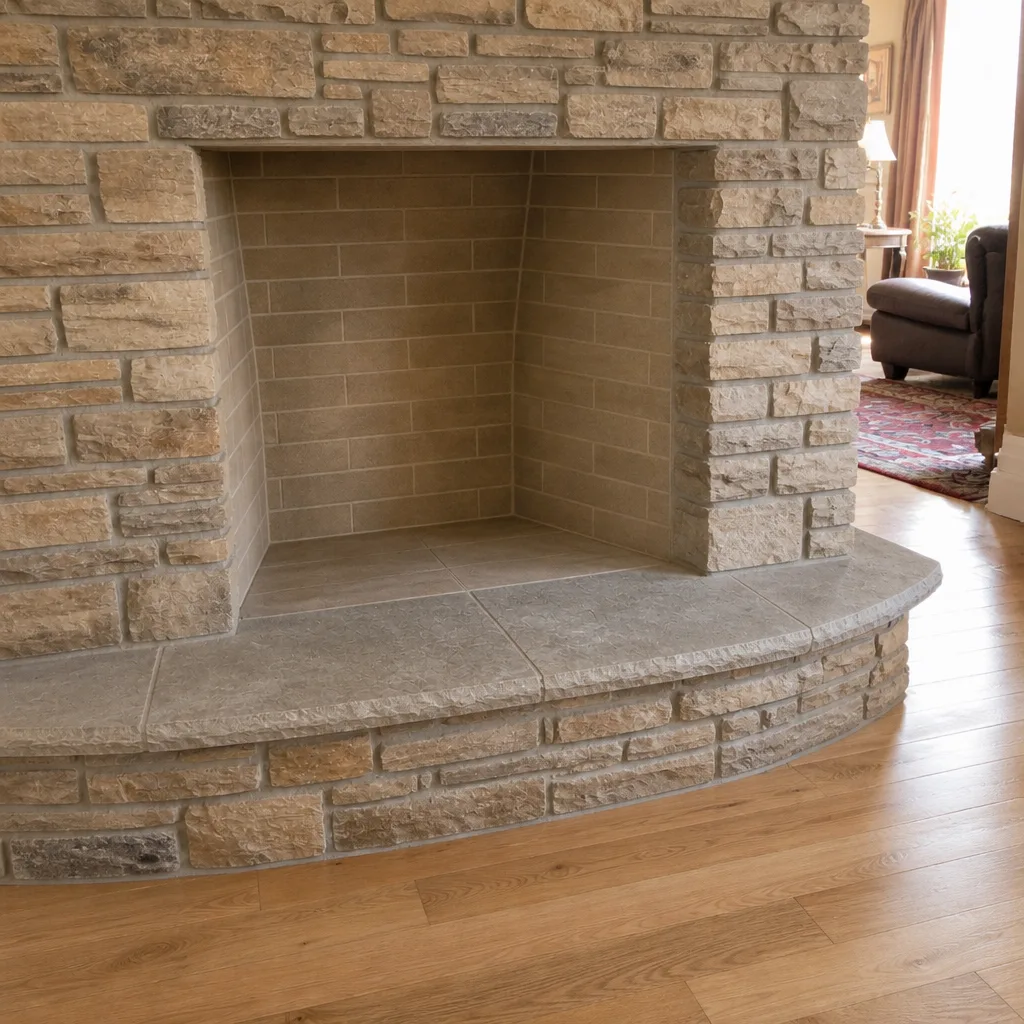
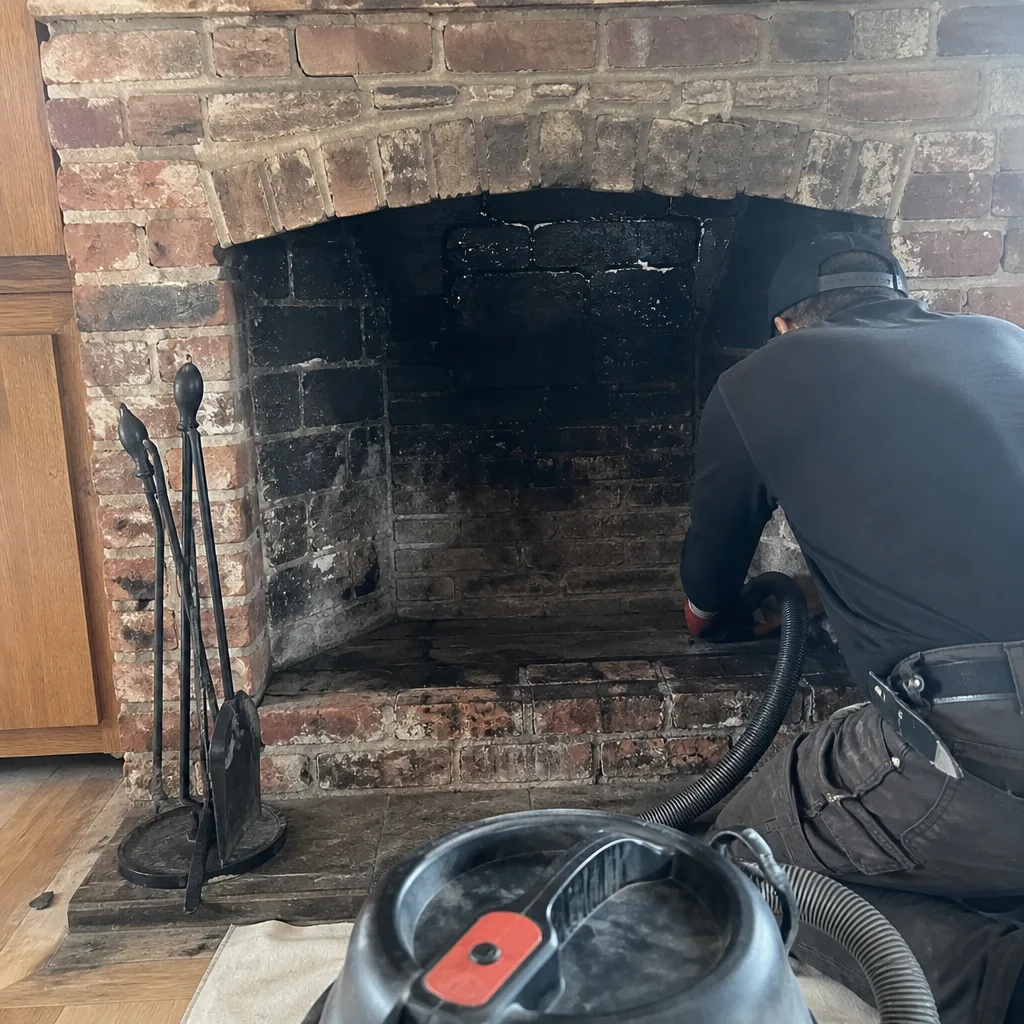
See the difference
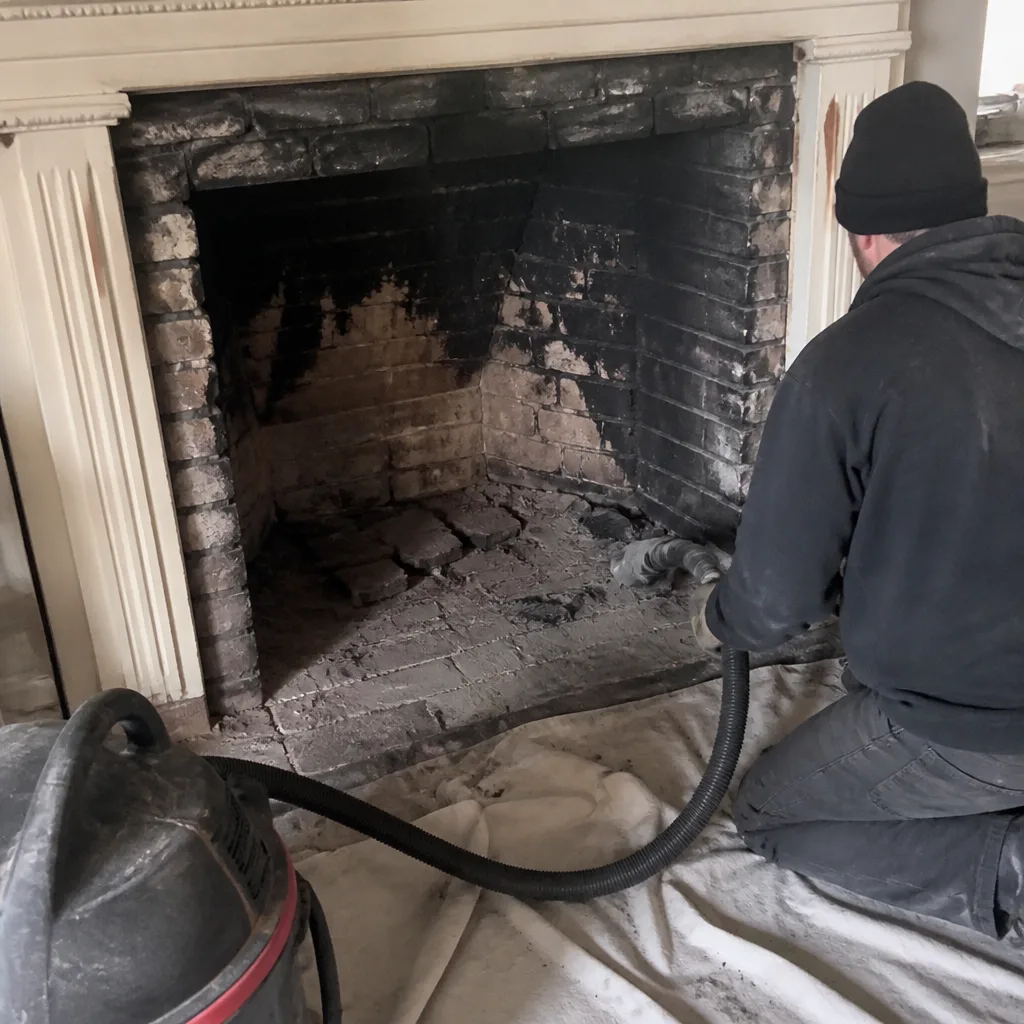 Before
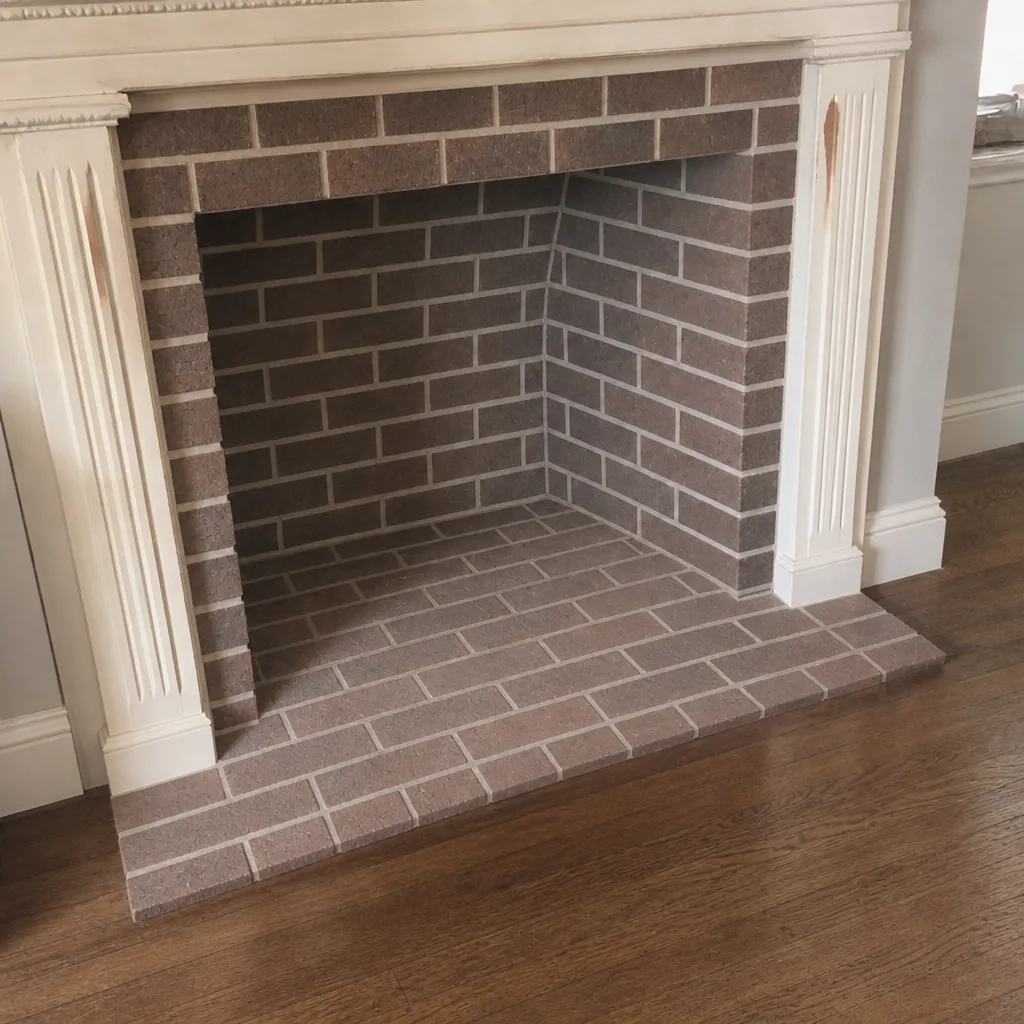 After
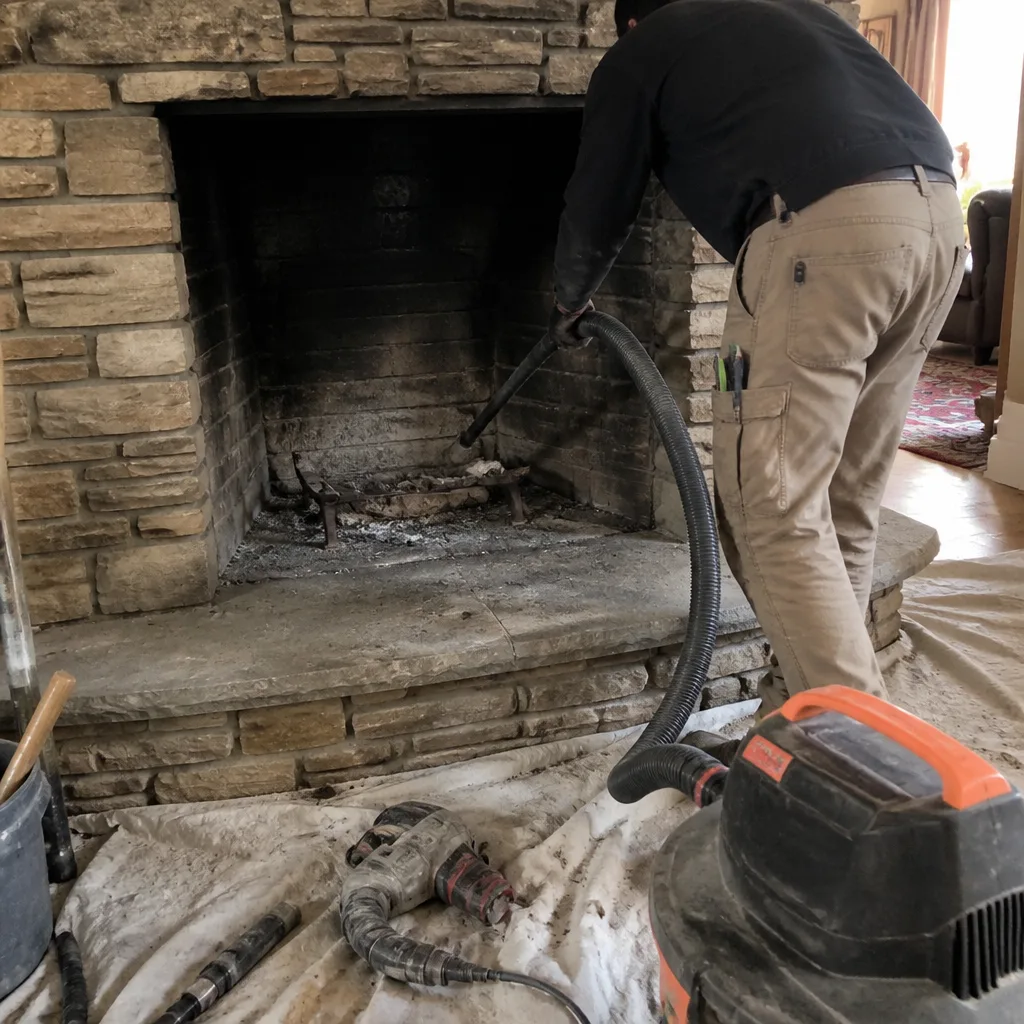 Before
 After
 Before
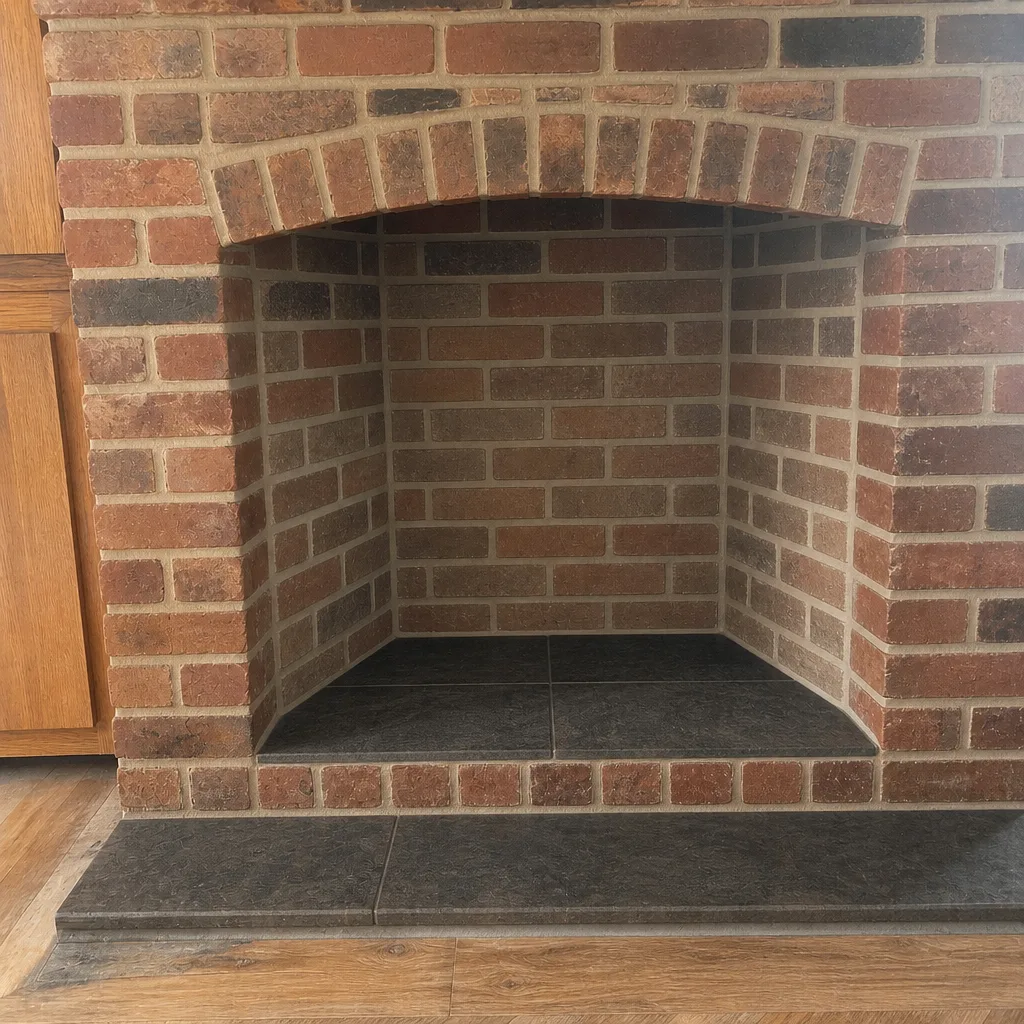 After
When to Call a Professional
Call a professional if you’re seeing any of the following: glazed or tar-like creosote in the flue, cracks in the firebox wall, a white efflorescence stain that’s growing, a water stain on the ceiling near the chimney, a CO alarm that’s gone off, symptoms that track with fire use, or a chimney that’s leaning. Call if you’ve just moved into a Holladay home with a clay tile liner and no documentation of a recent inspection. And call if you’ve had a chimney fire, even one that put itself out. Chimney Sweep Holladay offers free estimates in Holladay. Call (855) 658-5257. We answer 24/7. Fast dispatch from 7am to 7pm, Sunday through Friday.
Frequently Asked Questions
Once a year for most homes with an active fireplace, and more often if you burn heavily or burn wood that isn’t well seasoned. The annual sweep is really an annual inspection with a cleaning attached. It catches the signs in this guide before they become expensive, and it keeps the flue free of the creosote that raises fire risk. Homes that use the fireplace only occasionally still benefit from an annual look. Call (855) 658-5257 for an exact quote, and estimates are free.
It’s usually efflorescence, a chalky salt residue that appears when water is moving through the masonry. It’s not cosmetic. If you brush it off and it comes back, water is still getting in, and the source is usually a failed crown, a missing cap or deteriorated mortar. The fix depends on where the water is entering. If the crown is the culprit, we install a new one. If water is traveling down the flue from above, we look at the cap and liner. Call (855) 658-5257 to schedule a look at it.
First-degree creosote is flaky, dusty and grayish-brown, and a standard sweep removes it. Second-degree is a thicker, crunchy crust. Third-degree is glazed, shiny, tar-black and hard, and it doesn’t come off with a standard brush. Any shiny, glassy buildup inside the flue means the flue needs more than a sweep. If you’re not sure what you’re looking at, an inspection with a camera will tell you exactly which stage you’re seeing. Call (855) 658-5257. Estimates are free and inspections come with photographs of what we find.
Yes. Carbon monoxide can build up below the level that triggers an alarm, and the symptoms (headache, fatigue, foggy thinking, mild nausea) are easy to blame on other things. The pattern to watch is whether symptoms appear when the fireplace is in use and improve when it’s out. If that’s what you’re noticing, treat it as a chimney signal and get an inspection. Call (855) 658-5257. We answer 24/7.
Not automatically. Intact clay tile liners that are correctly sized can keep working for a long time. What matters is whether the tiles are cracked or the joints are separated. Many 1960s to 1980s Holladay homes have liners that are compromised but not beyond saving. In those cases, a HeatShield resurfacing can seal the interior without tearing out the original tiles. If the damage is more severe, a DuraFlex flexible liner can reline the flue even when it has an offset. An inspection with a camera tells you which category you’re in. Call (855) 658-5257 and estimates are free.
Most of the time, one year skipped means a slightly heavier creosote load the next time it’s swept. The risk is that the year you skip is the year the buildup hits third-degree. Glazed creosote ignites at a lower temperature than normal creosote, and a chimney fire can crack the flue tiles or spread past the chimney. The other risk is water. A season of weather is enough for a hairline crack in the crown to become a real leak into the flue. Either way, catching it before the next burning season is the goal. Call (855) 658-5257 and estimates are free.
The Bottom Line
The warning signs that matter most in a Holladay chimney are not the dramatic ones. They’re the white efflorescence on the exterior that means water is moving through the masonry. The faint smoke smell that lingers after the fire is out. The mild headache that shows up with fire use and eases when it’s off. The ceiling stain that comes back. Homes built in the 1960s through the 1980s in this area are especially worth inspecting because clay tile liners from that era have predictable deterioration patterns, and those patterns are what a camera inspection reveals. When the sign is the dangerous kind (glazed creosote, a cracked firebox wall, a CO alarm), stop burning until it’s checked. When it’s not, schedule an inspection and write it down. Either way, an inspection is what turns “maybe I should look at that” into “here’s exactly what’s going on.”
To schedule an inspection or get a free estimate, call (855) 658-5257. We answer 24/7. Fast dispatch from 7am to 7pm, Sunday through Friday. Our technicians have up to 12 years of experience, and we handle the whole chimney, from the firebox up to the cap.
Written by the team at Chimney Sweep Holladay.