
Last updated November 24, 2026
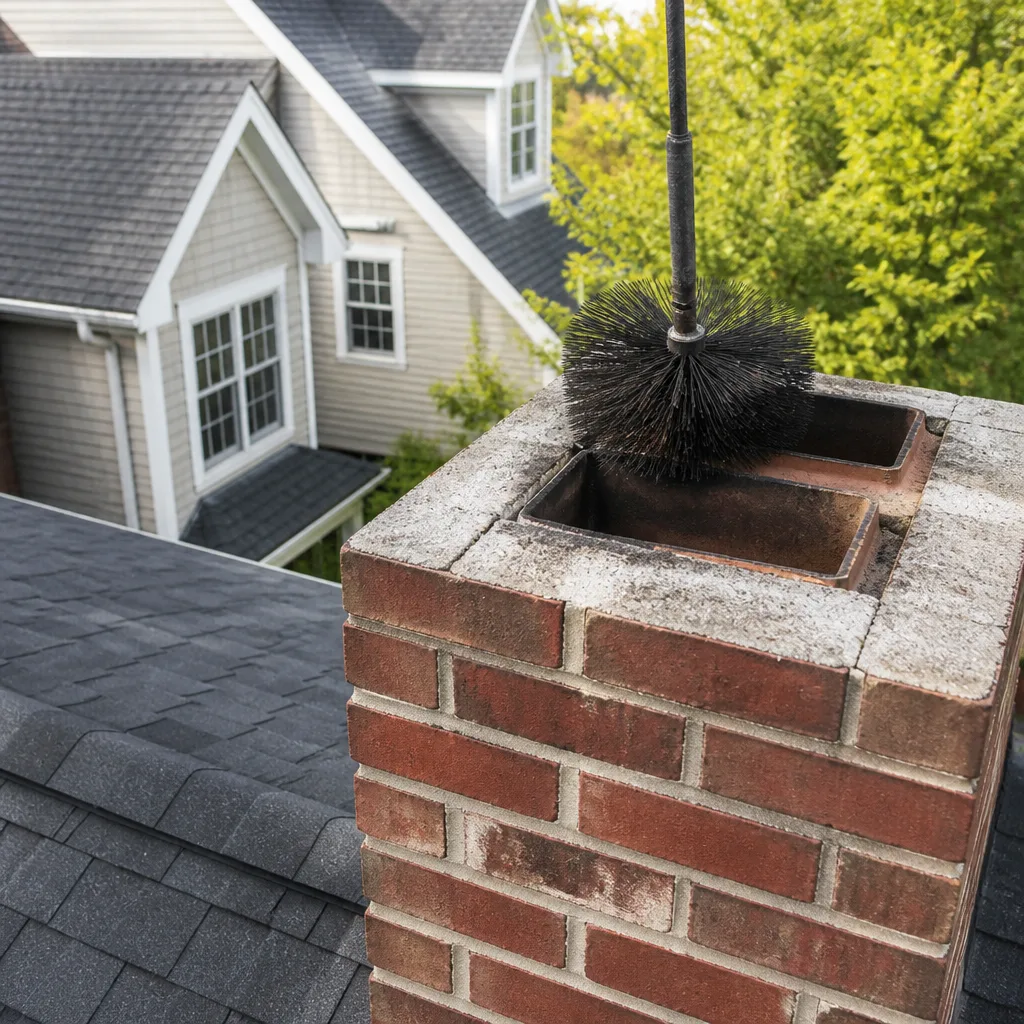 Sweep & inspection
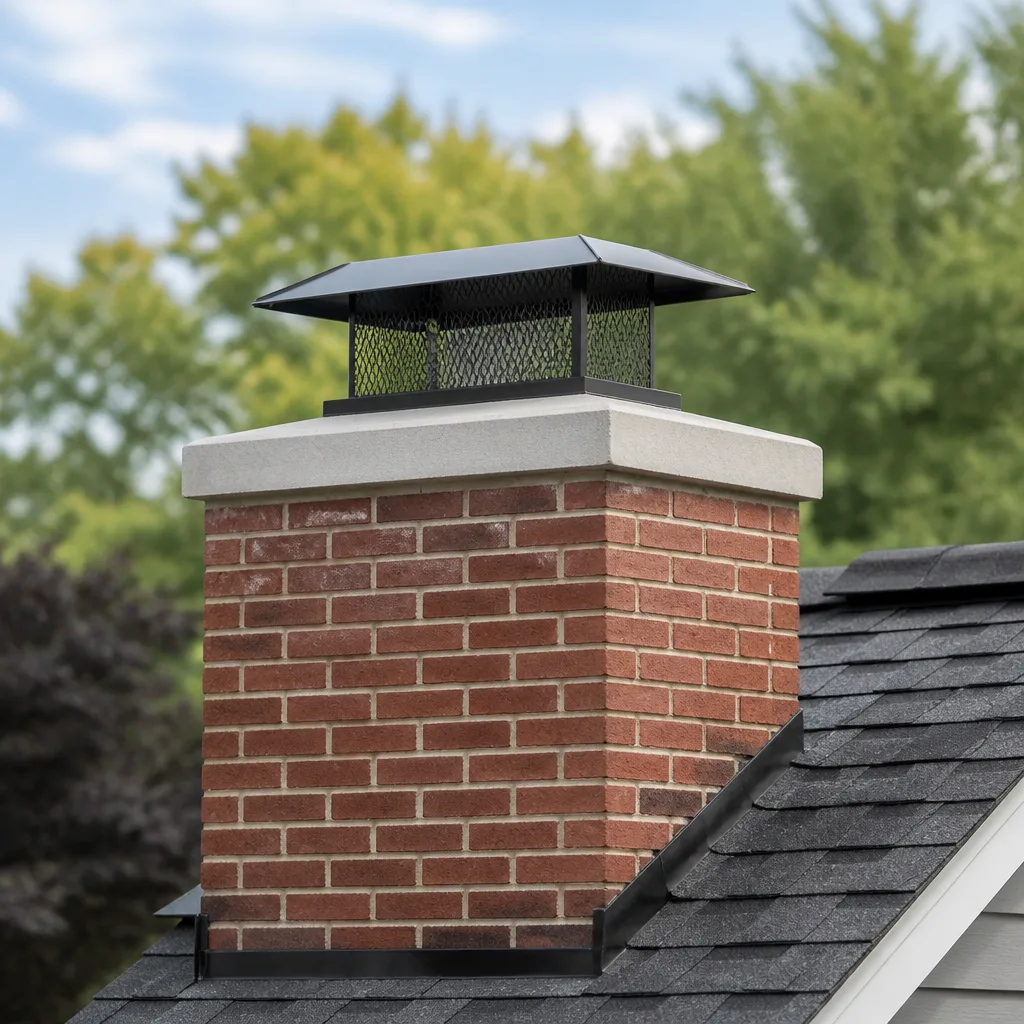 Caps & crowns
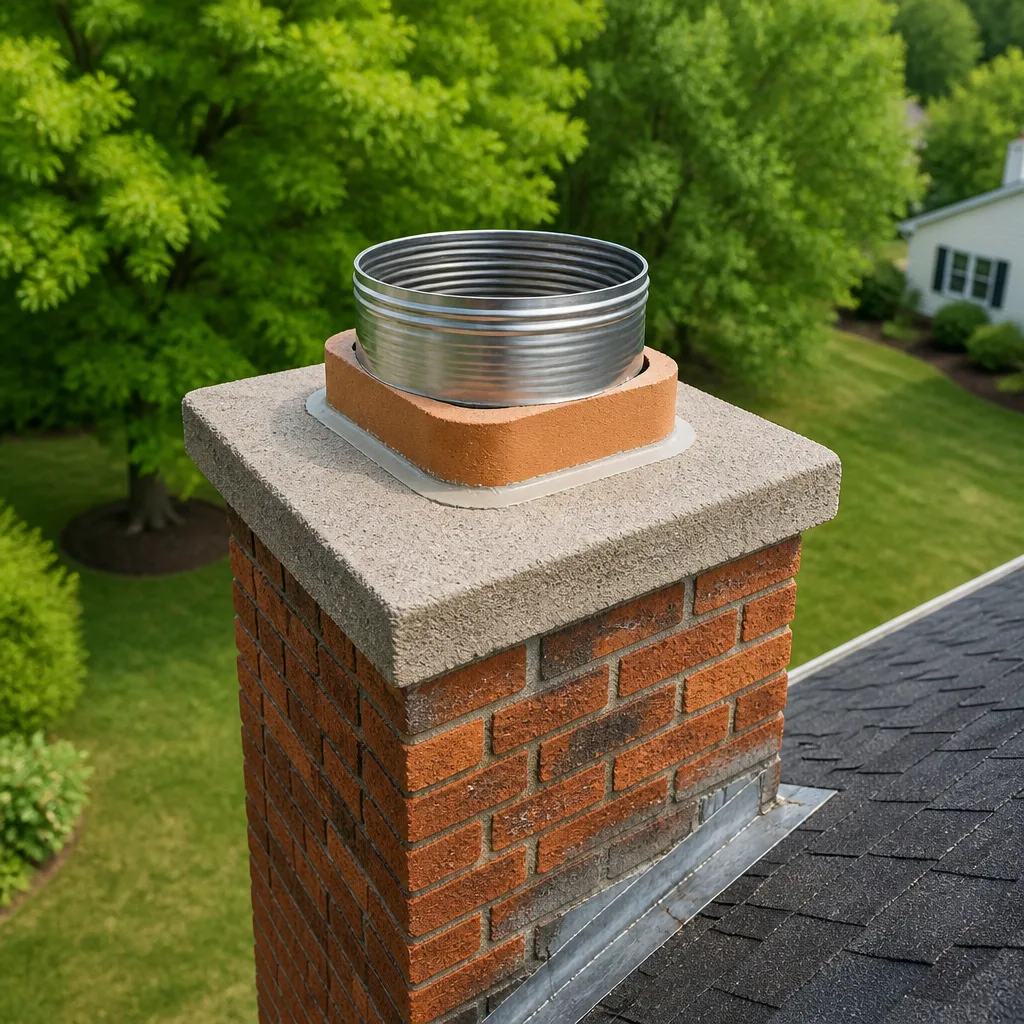 Flue relining
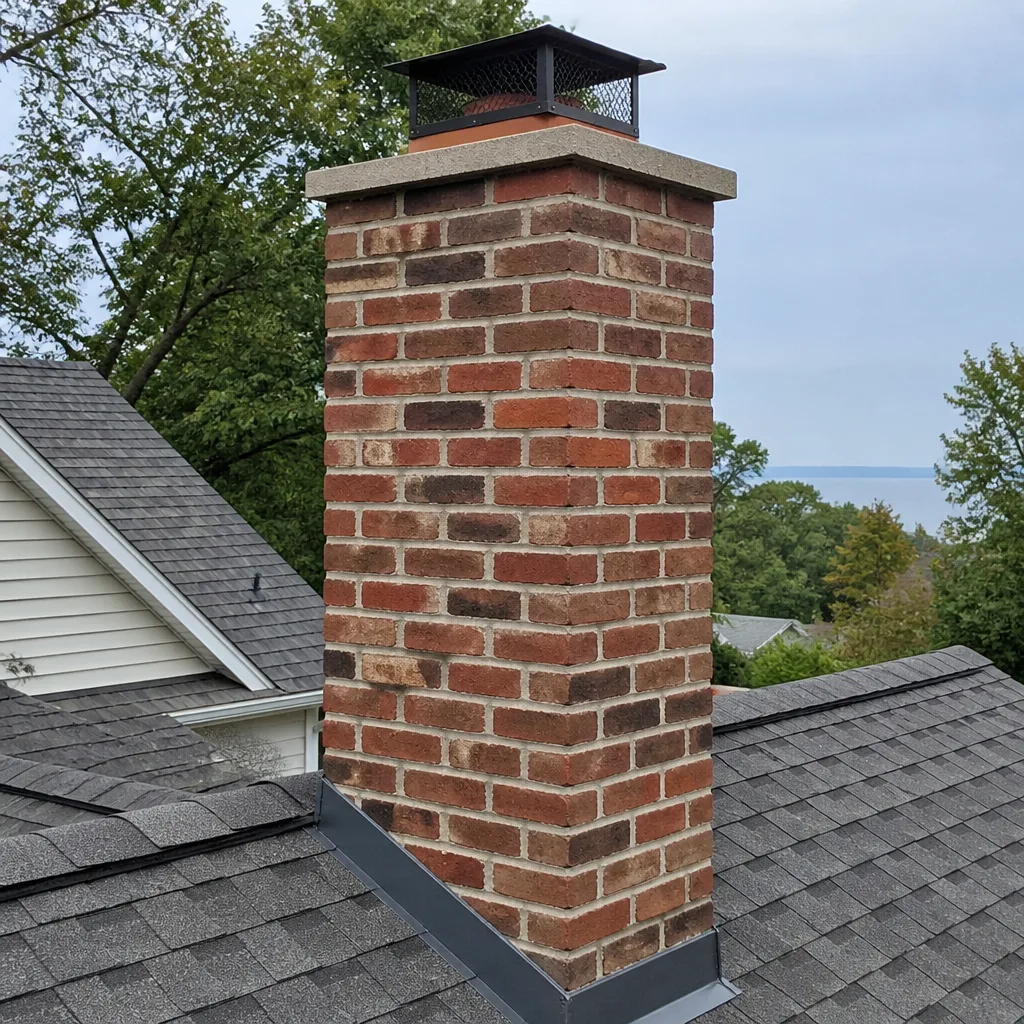 Masonry repair
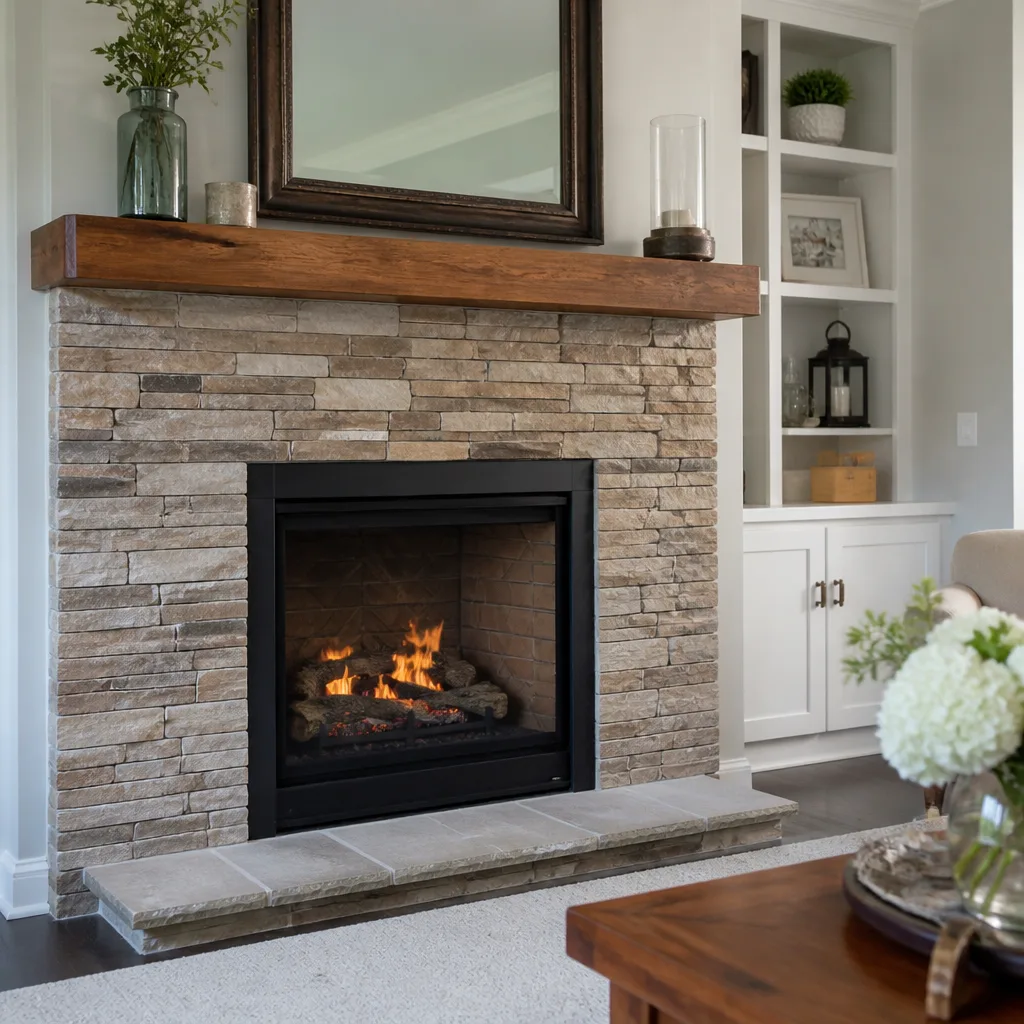 Gas fireplace service
Level 1 sweep and inspection to the NFPA 211 annual standard - flue, crown, cap, and flashing checked and photographed
Chimney sweep logs do not sweep chimneys. They loosen some creosote - which then falls where a brush and vacuum still have to collect it.
Chimney Sweep Maintenance Checklist for Holladay Homeowners
A clay tile liner in a wood-burning fireplace used twice a week needs attention on a completely different schedule than a stainless steel liner in a gas insert. Most checklists treat them the same, and that’s where trouble starts. Chimneys don’t fail on a single schedule. They fail part by part: the crown here, the flashing there, the damper somewhere in between, each on its own clock based on material, fuel type, and how often you burn. This guide builds the checklist around those actual failure points, tuned to the conditions here in Holladay, where the freeze-thaw swings at valley elevation do their own quiet work on mortar and masonry every winter.
Quick Answer
A Holladay chimney maintenance checklist ties intervals to liner material and fuel type: wood-burning clay tile flues get swept by usage level, stainless and cast-in-place liners get inspected yearly but cleaned less often, and the crown, flashing, cap, and damper get their own seasonal checks. At minimum, every chimney should be inspected once a year regardless of how much you burn, and swept when creosote buildup reaches roughly an eighth of an inch.
Styles & brands we work with
- Sweep & inspection
- Caps & crowns
- Flue relining
- Masonry repair
- Gas fireplace service
Table of Contents
- Why a Single Schedule Fails
- Checklist by Liner Material: Clay Tile, Stainless, Cast-in-Place
- Holladay Conditions That Drive the Calendar
- The Damper Check You Can Do Yourself
- Gas Fireplace Maintenance vs. Wood-Burning
- Seasonal Maintenance Timeline
- Your Documentation Template
Why a Single Schedule Fails
Most chimney advice collapses into “sweep once a year and you’re fine.” That works for one specific chimney: a wood-burning fireplace with a clay tile liner used regularly through the heating season. Change any of those variables and the blanket rule stops matching the system. A gas insert with a stainless liner produces almost no creosote but can still accumulate corrosion products, debris, and nesting material. A cast-in-place liner behaves differently again.
The parts inside your chimney age at different rates. The flue interior takes the brunt of combustion byproducts. The firebox takes direct heat. The damper wears at its hinge and gasket. The crown, the sloped concrete cap at the very top of the stack, cracks as it cycles through freezing and thawing. The flashing where the chimney meets the roof is a roofing problem as much as a chimney problem. Sweep-only service touches the flue and stops. A maintenance checklist has to walk the whole assembly from firebox to cap.
Here’s the practical version: your checklist isn’t one list. It’s four or five short lists, each keyed to a part and its material, running on its own interval. When we build a maintenance picture for a Holladay home, that separation is the first thing we map out. The chimney doesn’t tell you it’s failing overall. It tells you which piece is failing, and only if someone is looking at that piece.
Creosote is the reason wood-burning flues get the most attention. That dark, tar-like deposit builds up inside the flue as smoke condenses, and it comes in forms that range from flaky and brushable to glazed and hard. The rule most chimney professionals use: have the flue swept when the deposit reaches about an eighth of an inch. That number matters because the deposit feeds chimney fires. A flue that looks fine from the firebox can be well past that eighth-inch mark higher up, which is why the view up the flue matters more than the view from the hearth.
Checklist by Liner Material: Clay Tile, Stainless, Cast-in-Place
Your liner is the pipe that carries smoke and gases up and out. The material it’s made from sets your maintenance rhythm. Three types cover most Holladay chimneys, and each has its own checklist.
Clay Tile Liner
Common in older masonry chimneys, clay tile liners are laid in sections with mortar joints. Those joints are the weak spot under thermal stress.
- Inspect the flue annually for cracked tiles, missing mortar joints, and spalling flakes.
- Sweep based on usage: a wood-burning fireplace used two or three times a week through the season needs at least an annual sweep; heavy use can push that to two or three sweeps.
- Watch the joints specifically. A cracked joint lets heat and gases reach the surrounding masonry, which is a safety concern, not a cosmetic one.
- Expect a video camera inspection rather than a look from below. Tile damage high in the flue is invisible from the firebox.
Stainless Steel Liner
Stainless flexible liners handle heat and corrosion well, but they still need eyes on them.
- Inspect annually, even when the liner looks pristine. Look for corrosion at seams, separations, and loosened connections at the top plate and appliance collar.
- Sweep less often than clay when burning wood, but don’t skip it. A stainless liner used for gas produces little creosote, yet debris and moisture issues still warrant the annual look.
- Check the top termination. A stainless liner that connects properly at the appliance but sits loose at the cap lets water and animals in from the top.
Cast-in-Place Liner
Cast-in-place liners are poured around a form to create a smooth, seamless flue, and they’re often used to restore a deteriorated masonry flue without a full tear-out.
- Inspect annually for surface cracking and spalling, particularly near the top where temperature swings are most aggressive.
- Clean based on fuel and use, same as clay. A smooth surface accumulates creosote differently than rough clay, but it still accumulates it.
- Because these liners can’t be seen in sections the way tile can, rely on a camera inspection to catch early surface damage.
There’s a middle path worth knowing about. When a clay flue is deteriorating but not gone, a HeatShield restoration can resurface the interior and address the problem without pulling the whole liner. That option only exists if the damage is caught while the liner is still structurally sound enough to resurface. This is the argument for the annual inspection: it keeps the cheaper repair on the table.
When a liner does need replacing, the shape of the flue matters. Offset and irregular flues can’t always take a rigid liner. Flexible systems like DuraFlex are made to navigate those configurations, which means a reline is still possible in chimneys that a rigid-only approach would have to turn down.
Holladay Conditions That Drive the Calendar
Holladay sits at roughly 4,500 feet in the Salt Lake Valley, and the climate here does specific things to masonry chimneys. The freeze-thaw cycle is the big one. Water gets into mortar and concrete, freezes overnight, expands, and thaws the next day. Do that a few dozen times across a winter and cracks widen. The crown, the mortar joints, and the upper courses of masonry are where you see it first.
This reshapes the checklist in a few ways.
- Crown checks move to the front. The crown is the sloped concrete cap that sheds water away from the flue. Cracks in the crown let water into the masonry below, where freezing does the most damage. Inspect the crown in fall before the first hard freeze and again in spring once the thaw is done.
- Mortar joints get eyes every year. Tuckpointing, repointing the mortar between bricks, is a normal part of masonry upkeep in this climate. Catching soft or recessed joints early keeps the repair small.
- Flashing deserves a fall check. The metal flashing sealing the chimney to the roof is a leak point in snow and rain. A quick look each fall catches lifting or failed sealant before it becomes a water problem inside the house.
- Cap damage shows up over winter. Snow load and freeze-thaw take a toll on caps and their screens. A damaged cap lets in water, birds, and debris.
The good news is that Holladay’s dry summers give masonry a long drying season. Chimneys here aren’t fighting constant moisture the way they would in a wet climate. The pressure comes in pulses: the freeze-thaw months and the spring melt. Build your checking season around those pulses and the rest of the year is low-maintenance.
One more thing about place: Holladay’s housing stock includes a lot of homes old enough to have original or once-replaced clay liners. Those are exactly the chimneys where the annual flue camera work earns its keep. If your home is in that older range, don’t rely on the “sweep it once a year” rule to tell you the liner is sound. The sweep cleans; the inspection finds. They’re different jobs, and you need both.
The Damper Check You Can Do Yourself
The damper is the metal plate above the firebox that opens and closes the flue. It’s one of the few chimney parts you can assess without climbing anything, and a stuck or warped damper is a common find. Here’s what to check, and when to stop and call.
- With no fire burning, reach up and operate the damper. It should open and close smoothly and seat flush when closed. Grinding, sticking, or a plate that won’t sit flat all suggest wear.
- Look for warping or cracks in the plate. Heat warps dampers over time, and a warped plate won’t seal, which means you lose heat up the flue even when the fireplace isn’t lit.
- Check the gasket if your damper has one. Some dampers seal with a gasket that deteriorates and stops sealing cleanly.
- Feel for movement in the hinge or pivot. A damper that wobbles is on its way to failing.
- Confirm the closed damper still lets you open it again. A damper that sticks closed is a fire-safety issue the first time you light a fire.
What you shouldn’t do is force a stuck damper with a tool or try to remove it. Dampers are cast or heavy-gauge metal, and forcing one can crack the firebox or damage the frame. The check above is about identifying a problem, not fixing it.
There’s a related piece worth knowing: a top-sealing damper, the kind that seals at the very top of the chimney rather than above the firebox, changes the check. Those you test by operating the cable or chain from inside and confirming the cap seats. If you’re not sure which type you have, that’s a question for the inspection. And if your damper needs replacement, that’s a fireplace repair matter that belongs with someone who works the whole assembly.
Gas Fireplace Maintenance vs. Wood-Burning
Many Holladay homes have both a wood-burning fireplace and a gas insert or gas log set somewhere in the house. The two systems produce different combustion byproducts and fail in different ways, so they shouldn’t share a maintenance interval even though they share a chimney.
Gas fireplaces burn clean compared to wood. There’s little to no creosote. What they do produce is water vapor, which condenses inside a flue and can combine with other combustion products to form acidic moisture that attacks metal liners. That means the gas fireplace checklist leans on inspection rather than sweeping.
- Annual inspection for corrosion, debris, and nesting material in the flue.
- Check the burner and log set for soot or debris that disrupts the flame pattern.
- Verify the vent is unobstructed and the termination cap is intact. Birds nest in caps and their debris blocks venting.
- Watch for moisture signs: staining near the vent, or white deposits on the liner.
- Never overlook the annual look just because the gas fireplace burns clean. A clean-burning appliance still has a flue that can fail shut.
Wood-burning fireplaces carry the creosote load, so the sweep interval is central. Beyond the flue, the firebox takes direct heat and the damper takes wear, and both deserve a seasonal look. The screen, the doors, and the hearth aren’t part of the flue but they’re part of the system you operate.
Carbon monoxide deserves a mention here because it’s the reason venting matters for both fuel types. A blocked or damaged flue can let combustion gases back into the house. A working CO alarm on every level and a yearly flue inspection are the two safety habits that matter most, whatever you burn. If you notice a smell of exhaust indoors, a lazy or discolored flame, or a chimney that won’t draw, stop using the fireplace and get it looked at.
Seasonal Maintenance Timeline
This is the checklist that turns everything above into a calendar. It’s built around the Holladay climate rather than a generic one-size schedule. Our technicians have up to 12 years of experience, and if you ask any of them what the top mistake is, it’s treatment of the chimney as an afterthought until it fails. The timeline below is how we’d advise a homeowner to avoid that.
- Late summer / early fall: book the annual inspection and sweep. Do it before the first fire of the season, not after. Inspect the flue with a camera, sweep if creosote is at the eighth-inch threshold, and confirm the damper operates.
- Early fall: crown, cap, and flashing check. Before the first hard freeze, look at the crown for cracks, the cap for damage, and the flashing for lifting or failed sealant. This is the window to repair before winter stresses the masonry.
- First fire of the season: a quick self-check. Light a small fire and confirm it draws cleanly. If smoke rolls into the room or the draft is stubborn, stop and call.
- Mid-season: monitor creosote on the wood burner. If you burn heavily, add a mid-season sweep check. A stovepipe thermometer or a look from the firebox gives you a rough sense of buildup.
- Late winter: gas fireplace check. Before spring, look for moisture staining or debris near the vent, and confirm the termination is clear.
- Spring: post-thaw masonry inspection. Once the freeze-thaw season is over, check the crown, the mortar joints, and the upper masonry for new cracks. Spring is the honest season for masonry, because winter reveals what it stresses.
- Spring / summer: schedule non-urgent repairs. Crown repair, repointing, a cap replacement, damper work, or a liner decision all fit comfortably in the dry season. Get them on the calendar now rather than the first cold week of fall.
That order matters. Inspect and clean before you burn, protect the top of the chimney before the freeze, and repair in the dry months. Every part of the chimney gets its moment on the calendar, and nothing waits for a problem to announce itself. If a chimney cap or crown job turns up in the fall check, our chimney repair side can handle it before the snow arrives.
Your Documentation Template
Here’s the piece almost nobody does and almost everybody wishes they had: a written record. When a chimney has been swept, by whom, what the inspection found, and what was repaired all matter the day you sell the house or file an insurance claim. Insurance carriers and buyers want evidence of maintenance, not a verbal memory.
Keep a simple log for each chimney. A notebook or a spreadsheet both work. Here’s what to capture:
- Date of each service.
- Service performed: sweep, inspection, repair, cap or crown work.
- Who performed it: company name, and the date of the written report.
- What the inspection found: liner condition, creosote level at the sweep, damper condition, crown and cap condition.
- What was repaired and when: liner resurfacing, reline, crown patching, cap replacement, damper repair.
- Photo or video report on file if the inspection included one.
- Next due date: the date the next inspection falls on, so the chain never breaks.
Build the log the first time you have work done. If you’ve owned the house a while and never kept one, start now and note the current state of the chimney based on the next inspection report. Every service page and report you collect adds to the record. When you sell, a documented maintenance history is a strong signal to a buyer and a home inspector. When you file for storm or water damage, a record of the chimney’s condition before the event is what lets the claim stand.
A good inspection that includes a camera look and a written report is exactly what feeds this log. That’s the difference between an inspection that leads somewhere and one that leaves you with a vague memory. The report is the document; the log is where it lives.
Common Mistakes to Avoid
- Treating every liner the same. A gas-burning stainless liner and a wood-burning clay tile flue don’t share interval. Apply the wrong schedule and you’ll either overservice or miss the buildup entirely.
- Skipping the annual inspection because you didn’t burn much. Inspection isn’t just about creosote. It’s how you catch a deteriorating crown, a loose cap, or a cracked tile before it becomes a water or safety problem. This is especially true in Holladay’s older housing stock.
- Watching only the firebox. The firebox is the easiest part to see and the least likely to reveal the real problem. The flue, the crown, and the flashing are where hidden damage lives.
- Ignoring the crown and the cap until spring. The crown and cap take the worst of the freeze-thaw cycle. Check them before winter, not after.
- Forcing a stuck damper or doing DIY flue work. The damper check is fair game for a homeowner. The flue interior, the liner, and anything involving climbing or heat is a job for a trained professional.
- Never documenting anything. The sweep you had three years ago leaves no trace for a buyer or an insurer if there’s no written record. Keep the log.
- Waiting for a problem to call. Maintenance is cheaper than repair. The whole point of the checklist is to catch the small things while they can safely wait, then fix them on your schedule rather than an emergency’s schedule.
See the difference
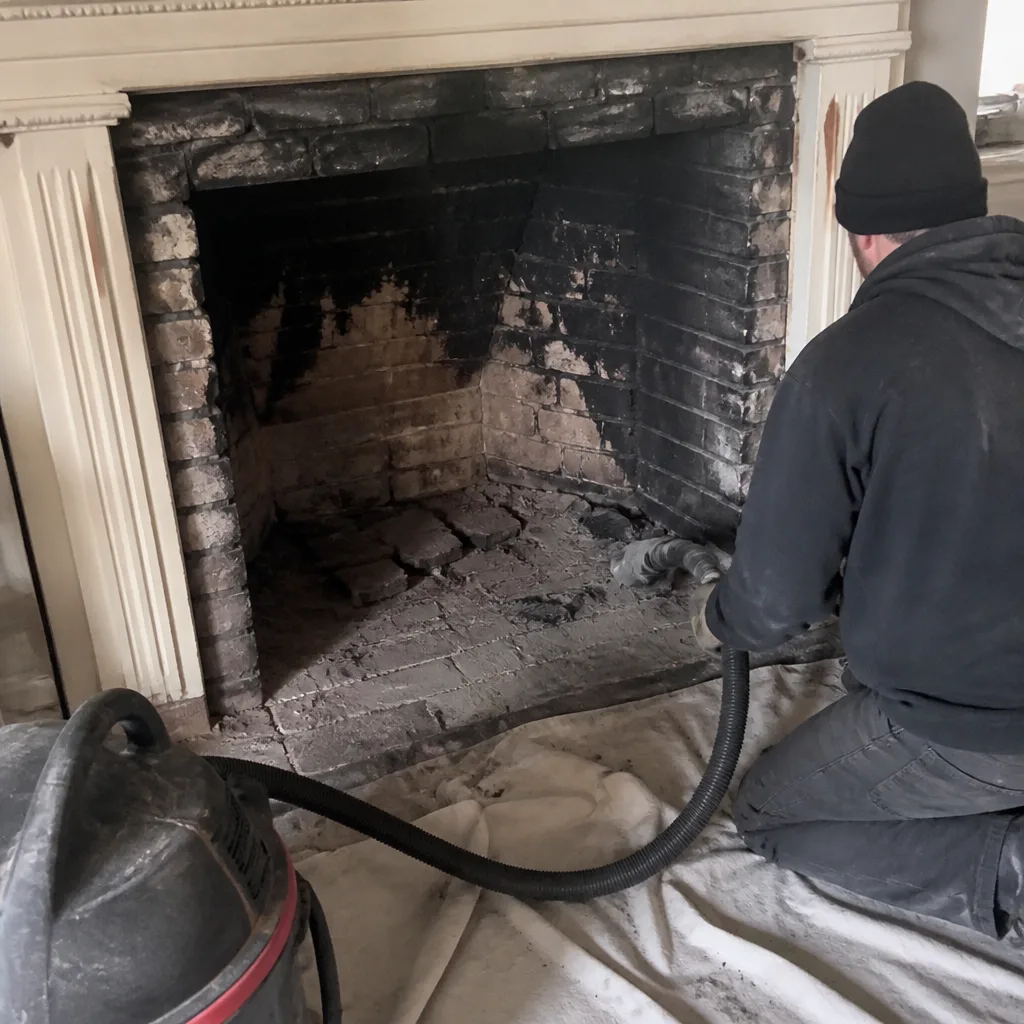 Before
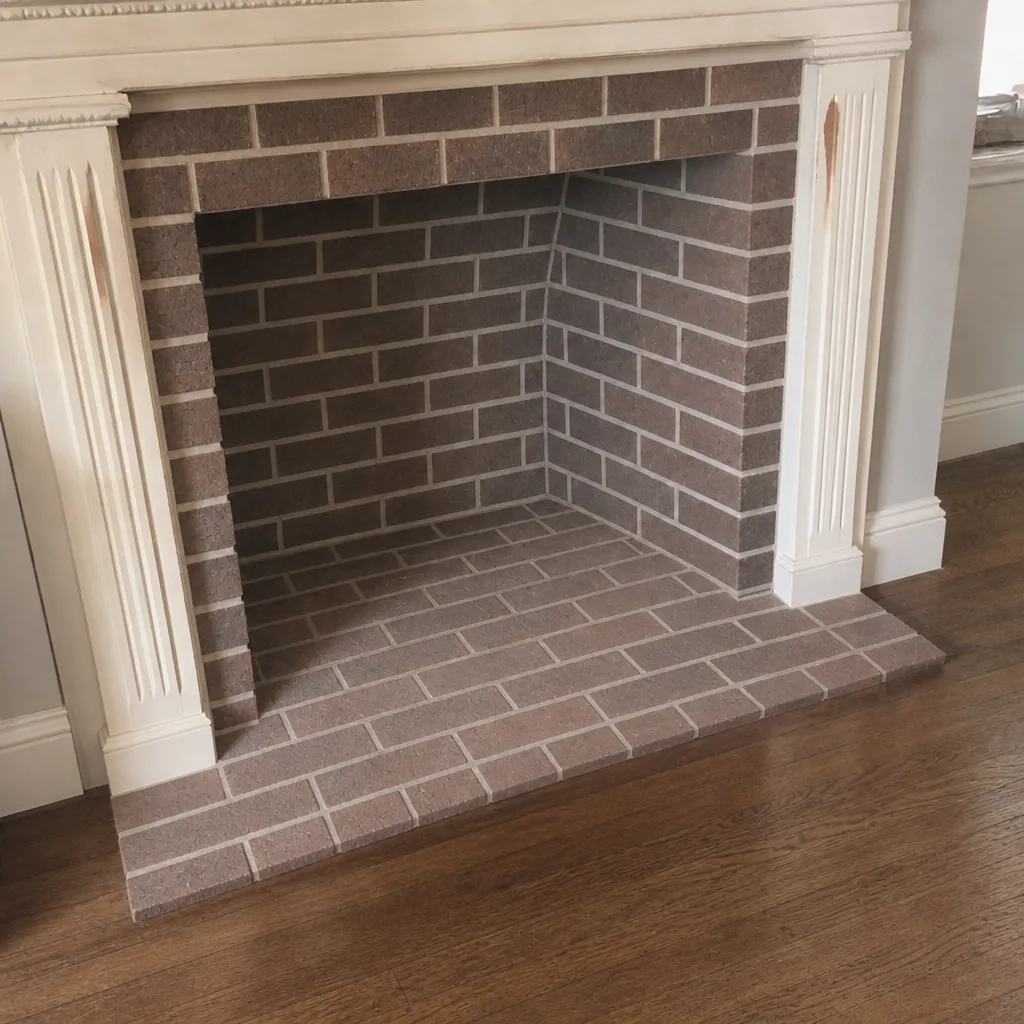 After
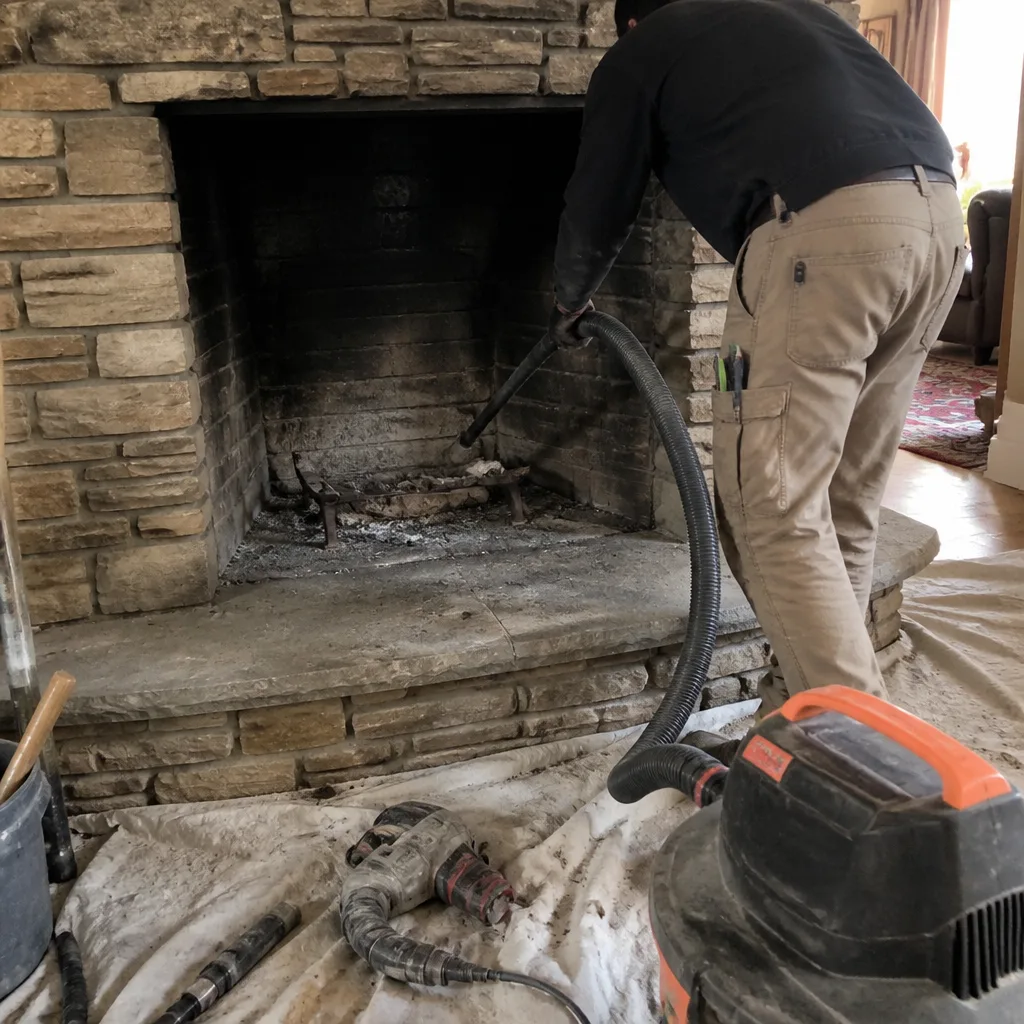 Before
 After
 Before
 After
When to Call a Professional
Some chimney work is doable at home; some isn’t. Call a professional if you’ve had a chimney fire, if you smell exhaust or see a lazy or discolored flame, if the damper won’t operate freely, if the flue shows cracked tiles or loose joints, if the crown or cap is damaged, or if it’s simply been more than a year since the last inspection. Even if you’ve done the self-checks in this guide, the flue interior and the upper masonry need a trained eye and a camera. And when a liner needs attention, that’s a decision to make with evidence in front of you, not a guess.
Chimney Sweep Holladay offers free estimates in Holladay. We handle the whole chimney, from the firebox to the cap, so your checklist and your repair happen with one company. Call (855) 658-5257. We answer 24/7. Fast dispatch from 7am to 7pm, Sunday through Friday.
Frequently Asked Questions
Every chimney should be inspected once a year, regardless of how often you burn or what fuel you use. The inspection is the part that catches liner damage, crown cracks, and venting problems that cleaning alone won’t reveal. Call (855) 658-5257 for an exact quote on an annual inspection; estimates are free.
Not always. A liner decision should come from a camera inspection that shows you the condition of the flue, because a deteriorating clay flue may be resurfaced rather than replaced. A HeatShield restoration is a middle option between leaving a damaged liner and tearing it out. Call (855) 658-5257 and we’ll walk you through what the inspection shows; estimates are free.
The price is set per job by a written estimate rather than a flat fee that ignores the condition of your chimney. Sweep pricing depends on the fuel type, liner material, and level of buildup, so the honest answer is to have it looked at. Call (855) 658-5257 for an exact quote; estimates are free.
Creosote builds inside the flue and feeds chimney fires, and a blocked or damaged flue can push carbon monoxide back into the house. Beyond safety, a neglected liner can move from resurfaceable to replaceable, which is the more expensive outcome. Call (855) 658-5257 to get on the schedule; estimates are free.
A gas fireplace needs an annual inspection for corrosion, debris, and vent obstruction but produces little creosote, so it’s cleaned far less often than a wood burner. The vent and the termination cap are the parts to watch, since birds and moisture cause the most trouble there. If you have both in one home, keep separate records for each.
Yes, plan to be there so we can show you what the camera finds and talk through any recommendations. Seeing the evidence yourself is how you know whether a repair can wait. Call (855) 658-5257 to book; estimates are free.
The Bottom Line
A chimney maintenance checklist only works when it’s built around the parts and their materials, not a one-size annual sweep. Clay tile, stainless, and cast-in-place liners each run on their own interval. The crown, cap, flashing, and damper each need their own look. Holladay’s freeze-thaw swings make the crown and mortar the first parts to watch, and the dry summers give you a clear window to repair before the cold. Document every service, because the record matters at sale and at claim time. And when the flue needs real eyes on it, one company handling the whole system is simpler than three. Call (855) 658-5257 for a free estimate. We answer 24/7, with fast dispatch from 7am to 7pm, Sunday through Friday.
For a complete sweep and inspection from a team that handles the entire chimney assembly, start with our Chimney Sweep Holladay service, or book a chimney sweep before the season starts.
Written by the team at Chimney Sweep Holladay.